
Kevum
In its own language: කැවුම්
Sri Lankan festival sweet made from rice flour and sugar-palm syrup
Kevum is a sweet from Sri Lanka, made by shaping a dough of rice flour and kithul treacle and frying it in oil. It is especially prepared and shared during Sinhala and Tamil New Year celebrations, with several versions that use extra spices or pulses.
- Kevum is made from rice flour and kithul palm treacle
- It is a traditional sweet for Sinhala and Tamil New Year
- Konda kevum is the most popular type, shaped by hand
- Ancient Sri Lankan texts mention many varieties of kevum
What is Kevum?
Kevum is a sweet treat from Sri Lanka, made by mixing rice flour with syrup from the kithul palm, then shaping and frying the dough. The most familiar type, konda kevum, is dark and slightly reddish, with a bun-like top that gives it its name. Other versions may have yellow coloring from saffron, or include ingredients like green gram, coconut, sesame, or spices. The outside is crisp from frying, while the inside stays soft and sweet from the treacle.
Where does Kevum come from?
Kevum has a long history in Sri Lanka, with mentions in ancient texts such as the Ummagga Jatakaya, Saddharma Ratnawaliya, and Pujawaliya. Over time, many kinds of kevum have developed, reflecting local tastes and ingredients. The sweet is closely tied to the island's New Year festivities, where it is a symbol of celebration and sharing.
How is Kevum made?
To make kevum, rice flour is combined with kithul treacle to form a thick dough. For konda kevum, salt and cardamom are added for flavor, and the dough is shaped by hand into a form that looks like a hair bun. Other types might include green gram flour, coconut, sesame, urad dal, or spices such as cumin and fennel. Each piece is fried in oil until the outside is crisp and the inside is cooked through.
How and when is Kevum eaten?
Kevum is most often prepared for the Sinhala and Tamil New Year, when families make and share it with neighbors and guests. It is enjoyed as a festive sweet, sometimes alongside tea or other traditional snacks. The sweet is offered to visitors and is part of the food spread during holiday gatherings.
Kinds of Kevum
There are at least eighteen types of kevum described in old Sinhala writings. Konda kevum is the most common, but others include naran kevum, which is shaped and colored like a mandarin and contains coconut and green gram; thala kevum, with sesame; undu kevum, flavored with urad dal; and handi kevum, which is seasoned with cumin and fennel. Each version has its own shape, color, and added ingredients.
What Kevum means
Kevum is strongly associated with Sri Lankan New Year celebrations. Making and sharing this sweet is a cherished tradition, and recipes are often passed down in families. Its presence in ancient literature shows its importance in local culture. The sweet is a symbol of hospitality and festivity during the holiday season.
When Kevum is on the table
Questions people ask about Kevum
What is kevum made of?
Kevum is prepared with rice flour and kithul treacle, and sometimes includes spices or pulses like cardamom, green gram, sesame, or urad dal depending on the variety.
Where does kevum come from?
Kevum is from Sri Lanka and has been part of local traditions for centuries, with references in ancient Sinhala literature.
When is kevum usually eaten?
Kevum is most commonly made and enjoyed during the Sinhala and Tamil New Year, as part of the festival's food offerings.
Are there different types of kevum?
Yes, there are many kinds, such as konda kevum, naran kevum, thala kevum, and others, each with its own shape and added ingredients.
Is kevum suitable for vegans?
Kevum is vegan, since it is made from plant-based ingredients like rice flour, treacle, and spices.
Good reading and sources
The facts on this page come from the Wikipedia article "Kevum", written by its contributors and used under the CC BY-SA 4.0 licence, and from its Wikidata record (CC0). Thali rewrote the text in its own words, with AI assistance, and compares every page with the article to make sure no passage is copied. It may be reused under the same CC BY-SA 4.0 licence with a link back.
It may contain mistakes, and it is not dietary or allergy advice: recipes differ from cook to cook. If something is wrong, tell us. Last refreshed 2026-10-03.
More from Sri Lanka
All the food of Sri Lanka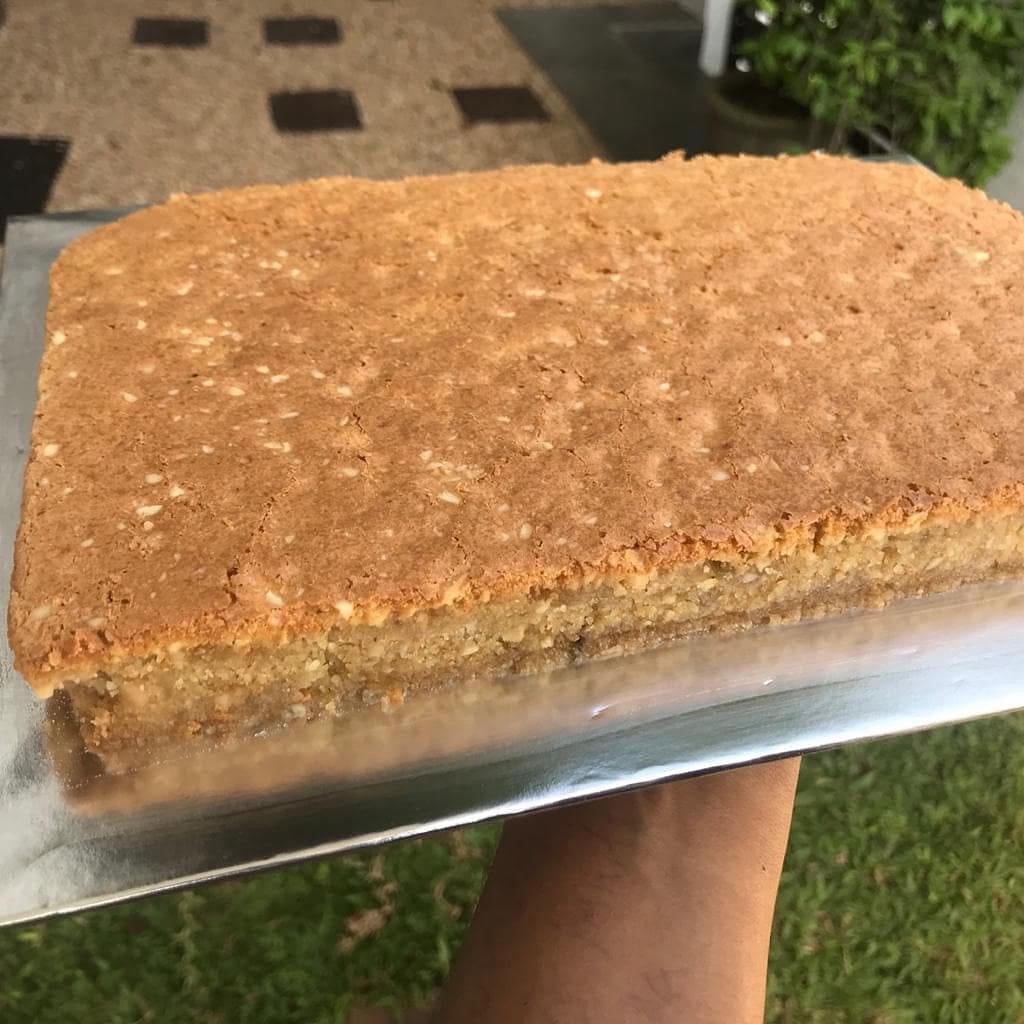 Love cakeVegetarian
🇱🇰 Sri LankaSri Lankan semolina cake with cashews, pumpkin preserve, and aromatic spices
Sweet or dessert
Love cakeVegetarian
🇱🇰 Sri LankaSri Lankan semolina cake with cashews, pumpkin preserve, and aromatic spices
Sweet or dessert
 ModakVegetarian
🇮🇳 India and 5 moreA sweet dumpling with coconut and jaggery, offered in Hindu and Buddhist rituals
Sweet or dessert, Snacks
ModakVegetarian
🇮🇳 India and 5 moreA sweet dumpling with coconut and jaggery, offered in Hindu and Buddhist rituals
Sweet or dessert, Snacks
Its cousins elsewhere
All sweets and desserts CroissantVegetarian
🇫🇷 France and 5 moreA crescent-shaped, flaky pastry made from layered yeast dough and butter
Pie or savoury pastry, Breakfast, Tea time
CroissantVegetarian
🇫🇷 France and 5 moreA crescent-shaped, flaky pastry made from layered yeast dough and butter
Pie or savoury pastry, Breakfast, Tea time
 Crêpe
🇫🇷 FranceThin French pancakes, served sweet or savoury with a range of fillings
Main dish, Breakfast, Lunch
Crêpe
🇫🇷 FranceThin French pancakes, served sweet or savoury with a range of fillings
Main dish, Breakfast, Lunch
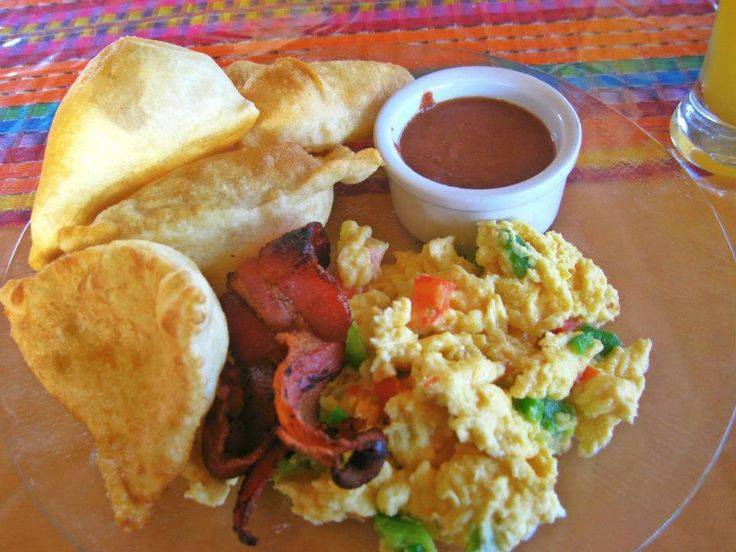 Fry jackVegetarian
🇧🇿 BelizeDeep-fried breakfast dough from Belize, served plain or with sweet or savoury toppings
Bread, Breakfast
Fry jackVegetarian
🇧🇿 BelizeDeep-fried breakfast dough from Belize, served plain or with sweet or savoury toppings
Bread, Breakfast
 Churrochurros
🇪🇸 Spain and 5 moreRidged, deep-fried dough sticks often eaten hot with chocolate or coffee
Sweet or dessert, Breakfast, Snacks
Churrochurros
🇪🇸 Spain and 5 moreRidged, deep-fried dough sticks often eaten hot with chocolate or coffee
Sweet or dessert, Breakfast, Snacks