
Kimchi
In its own language: 김치
Fermented and seasoned vegetables central to Korean meals
Kimchi is a Korean dish of vegetables, most often napa cabbage or radish, that are salted, seasoned, and left to ferment. It is a staple in Korean cuisine, served cold or at room temperature, and appears at nearly every meal as a side. The mix of vegetables and seasonings varies widely, with hundreds of types found across Korea.
- Kimchi is recognized by UNESCO as intangible cultural heritage
- Hundreds of varieties exist, using many kinds of vegetables
- Traditionally fermented in large clay jars called onggi
- Chili peppers became common in kimchi only after the 17th century
- Kimchi Day is marked in several US states
What is Kimchi?
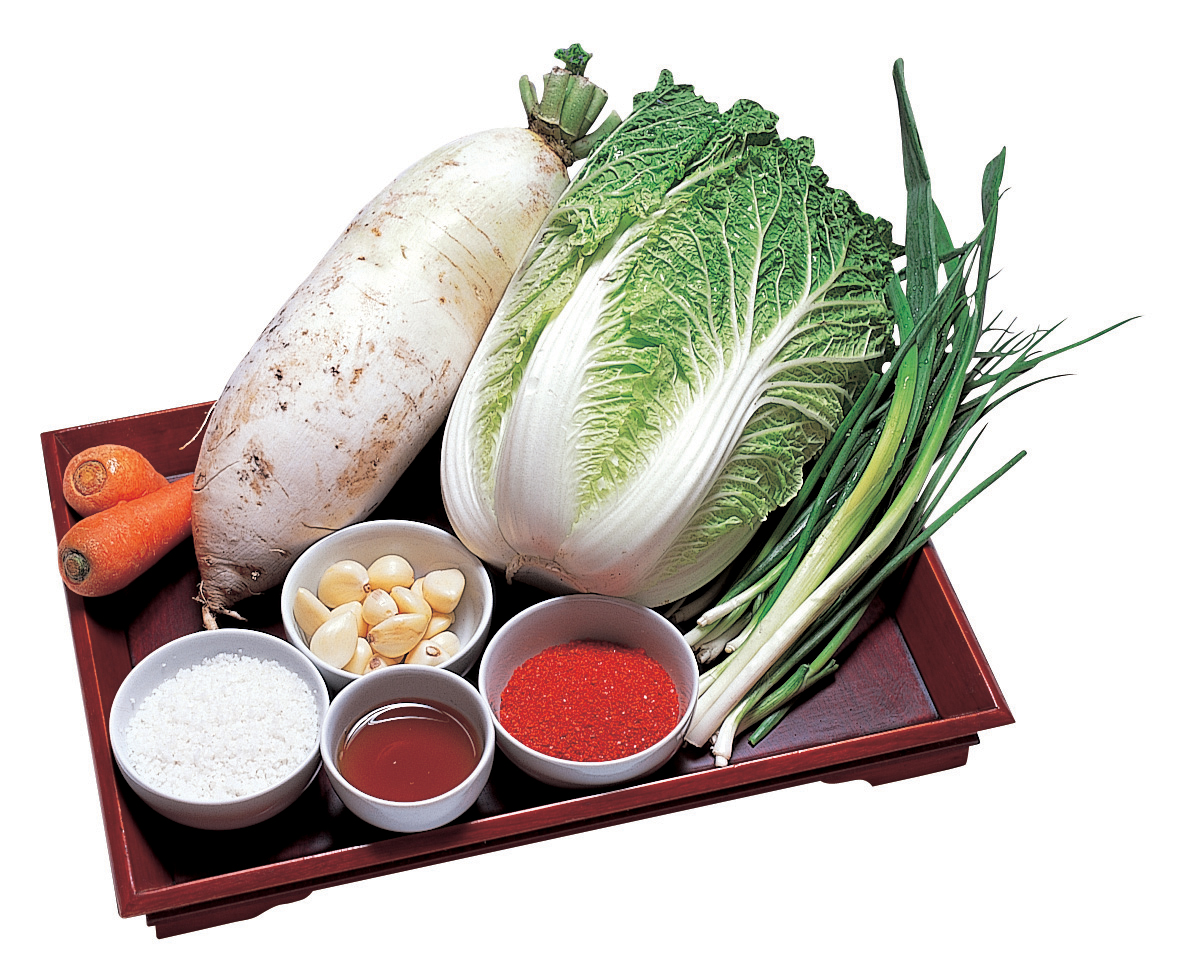
Kimchi is made by fermenting vegetables, most commonly napa cabbage or Korean radish, with a blend of seasonings that can include chili powder, garlic, ginger, spring onions, and sometimes salted seafood. The resulting dish is tangy, spicy, and crisp, with a strong aroma from fermentation. Kimchi is usually served cold or at room temperature and comes in many varieties, each with its own combination of vegetables and spices. It is a key part of Korean dining and is often found on the table alongside other dishes.
Where does Kimchi come from?
The roots of kimchi go back to early Korean history, with records showing that people in the region preserved vegetables through fermentation as far back as the Three Kingdoms period. Originally, kimchi was not spicy; chili peppers only became common in Korea in the 17th century. Over time, new vegetables like napa cabbage and new seasonings were introduced, shaping the kimchi known today. The tradition of making large batches for winter, called gimjang, brought communities together and is now recognized as part of Korea’s intangible cultural heritage.
How is Kimchi made?
To make kimchi, vegetables such as cabbage or radish are first salted to draw out moisture. They are then mixed with a paste of chili powder, garlic, ginger, and sometimes salted seafood for extra depth. The mixture is packed tightly into containers, traditionally earthenware jars called onggi, and left to ferment at cool temperatures. This process develops the sour and complex flavors that define kimchi. Modern households may use special refrigerators to control fermentation.


How and when is Kimchi eaten?
Kimchi is typically eaten as a side dish at lunch and dinner, accompanying rice and other main foods in Korean meals. It can also be used as an ingredient in soups and stews. During the autumn, families and communities gather to prepare large amounts for the winter months, a custom known as gimjang. Kimchi is enjoyed daily but also plays a role in festive meals and special occasions.
Kinds of Kimchi
There are hundreds of kimchi types, each using different vegetables and seasonings. Some well-known kinds include baechu-kimchi (cabbage), kkakdugi (cubed radish), and oi-sobagi (stuffed cucumber). Regional differences affect the level of spice, salt, and the use of seafood. North Korean versions often use less chili and salt, while southern styles may be hotter and more robust in flavor.
What Kimchi means
Kimchi is deeply woven into Korean identity and is seen as a symbol of national heritage. The communal making of kimchi, especially during gimjang, strengthens family and community bonds. Both South and North Korea have had their kimchi traditions recognized by UNESCO. Kimchi Day is celebrated in several US states, reflecting its growing international presence and cultural importance.
Questions people ask about Kimchi
What is kimchi made of?
Kimchi is mainly made from vegetables such as napa cabbage or radish, mixed with seasonings like chili powder, garlic, ginger, spring onions, and sometimes salted seafood. The mixture is then fermented to develop its distinct flavor.
Where does kimchi come from?
Kimchi originates from Korea, where it has been a staple food for centuries. Its preparation and cultural significance are especially strong in both South Korea and North Korea.
How is kimchi eaten?
Kimchi is most often served as a side dish with lunch or dinner, but it can also be added to soups and stews. It is usually eaten cold or at room temperature.
Are there different types of kimchi?
Yes, there are hundreds of varieties, each using different vegetables and seasonings. Popular types include cabbage kimchi, radish kimchi, and cucumber kimchi.
Is kimchi always spicy?
While many kinds are spicy due to chili powder, some versions use little or no chili, especially in certain regions or older recipes.
Good reading and sources
- Encyclopaedia BritannicaArticle
- Kimchi ferments cultural feud between South Korea and ChinaBBC, Article
- 'Stealing our culture': South Koreans upset after China claims kimchi as its own | South KoreaThe Guardian, Article
The facts on this page come from the Wikipedia article "Kimchi", written by its contributors and used under the CC BY-SA 4.0 licence, and from its Wikidata record (CC0). Thali rewrote the text in its own words, with AI assistance, and compares every page with the article to make sure no passage is copied. It may be reused under the same CC BY-SA 4.0 licence with a link back.
It may contain mistakes, and it is not dietary or allergy advice: recipes differ from cook to cook. If something is wrong, tell us. Last refreshed 2026-10-03.
More from South Korea
All the food of South Korea CappuccinoVegetarian
🇮🇹 Italy and 5 moreEspresso with steamed milk and a thick layer of milk foam, served in a small cup
Drink, Breakfast
Blood sausageMeat
🇫🇷 France and 5 moreA sausage made with animal blood, fillers and spices, cooked or dried until firm
Main dish, Lunch, Dinner
CappuccinoVegetarian
🇮🇹 Italy and 5 moreEspresso with steamed milk and a thick layer of milk foam, served in a small cup
Drink, Breakfast
Blood sausageMeat
🇫🇷 France and 5 moreA sausage made with animal blood, fillers and spices, cooked or dried until firm
Main dish, Lunch, Dinner
 SikhyeVegan식혜
🇰🇷 South KoreaSweet Korean rice drink made by fermenting rice with malt
Drink
SikhyeVegan식혜
🇰🇷 South KoreaSweet Korean rice drink made by fermenting rice with malt
Drink
 KabochaVeganカボチャ
🇯🇵 Japan and 5 moreA sweet, dense winter squash with edible skin, used in Japanese and Asian cooking
Main dish, Lunch, Dinner
KabochaVeganカボチャ
🇯🇵 Japan and 5 moreA sweet, dense winter squash with edible skin, used in Japanese and Asian cooking
Main dish, Lunch, Dinner
Its cousins elsewhere
All sauces, pickles and ferments PestoVegetarian
🇮🇹 Italy and 2 moreA basil, pine nut and cheese paste from Genoa, used to dress pasta
Sauce, pickle or ferment
PestoVegetarian
🇮🇹 Italy and 2 moreA basil, pine nut and cheese paste from Genoa, used to dress pasta
Sauce, pickle or ferment
 FavaVeganφάβα
🇬🇷 GreeceGreek split pea purée served warm or cold as a dip or spread
Sauce, pickle or ferment, Lunch, Dinner
FavaVeganφάβα
🇬🇷 GreeceGreek split pea purée served warm or cold as a dip or spread
Sauce, pickle or ferment, Lunch, Dinner
 PiklizVegan
🇭🇹 HaitiA spicy Haitian mix of pickled vegetables and hot peppers
Sauce, pickle or ferment
PiklizVegan
🇭🇹 HaitiA spicy Haitian mix of pickled vegetables and hot peppers
Sauce, pickle or ferment
 TzatzikiVegetarianτζατζίκι
🇬🇷 Greece and 5 moreStrained yogurt mixed with cucumber, garlic and herbs, served cold as a dip or sauce
Sauce, pickle or ferment, Lunch, Dinner
TzatzikiVegetarianτζατζίκι
🇬🇷 Greece and 5 moreStrained yogurt mixed with cucumber, garlic and herbs, served cold as a dip or sauce
Sauce, pickle or ferment, Lunch, Dinner