Kisra
A thin, fermented sorghum flatbread from Sudan and neighboring countries
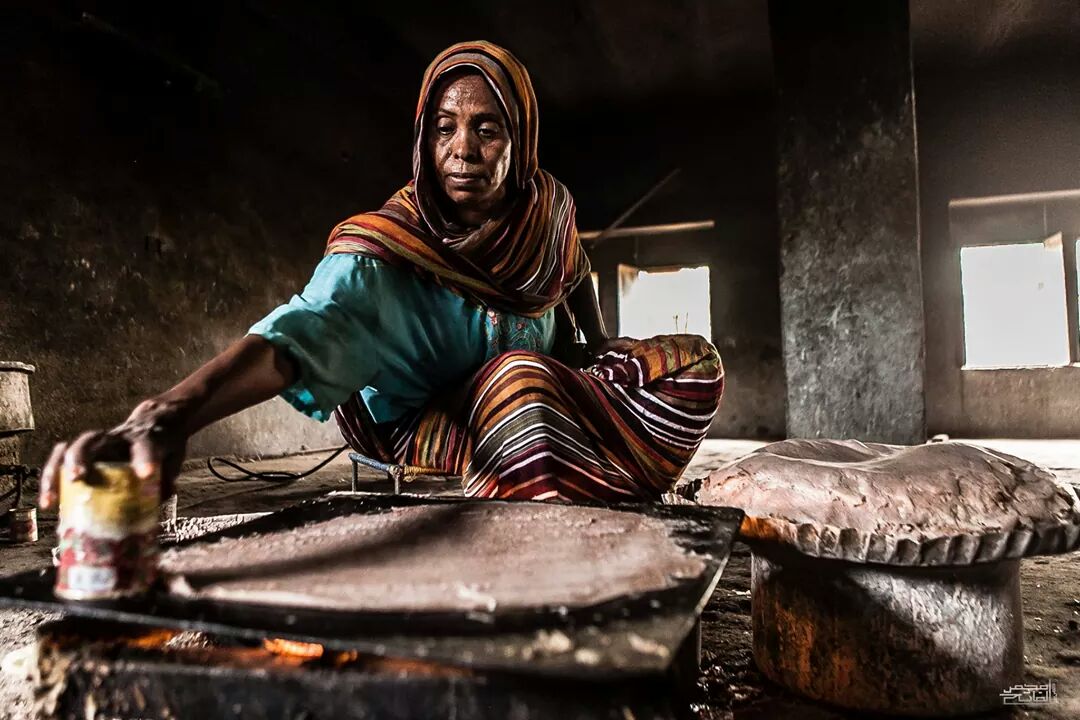
Kisra is a thin, fermented flatbread made mainly from sorghum flour, popular in Sudan and also found in Chad, South Sudan, Algeria, Uganda, and Kenya. The bread is usually prepared by women, using a sourdough batter cooked quickly on a griddle. Kisra is a staple in Sudanese households and is often eaten with stews or as a porridge.
- Kisra is a staple bread in Sudan and neighboring countries.
- It is made from fermented sorghum flour batter.
- The bread is cooked quickly on a hot griddle called a douka.
- Kisra can also refer to a porridge eaten with stew.
- In 2025, kisra was named one of the world's top 50 breads.
What is Kisra?
Kisra is a very thin, soft flatbread, made by fermenting a batter of sorghum flour, water, and salt. It is cooked quickly on a hot griddle, resulting in a flexible sheet similar in appearance to Ethiopian injera but usually thinner. The bread is slightly sour from fermentation and is often torn into pieces to scoop up stews or sauces. In some cases, kisra can also refer to a porridge-like dish, made from the same ingredients but with a different texture.
Where does Kisra come from?
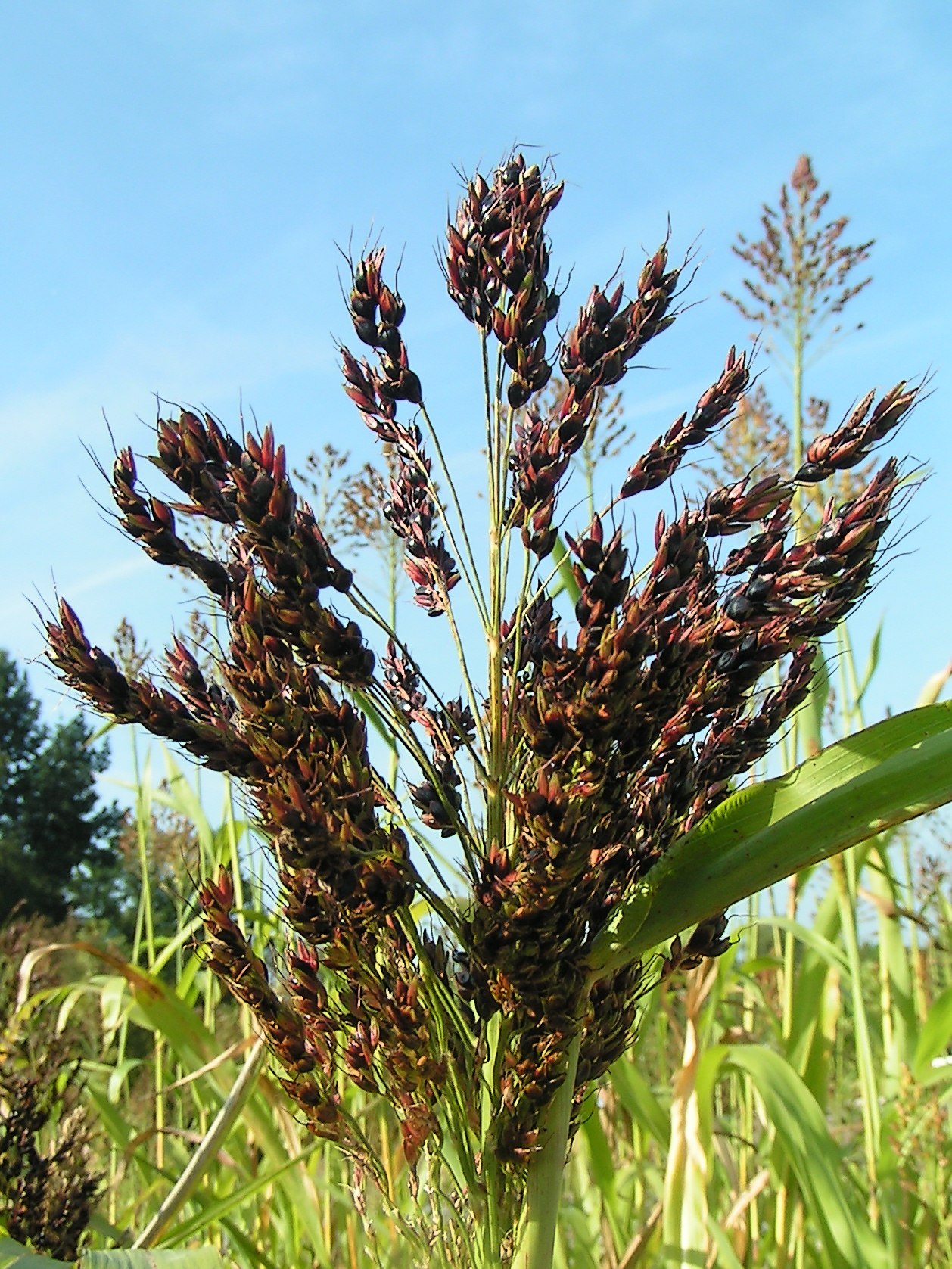
Kisra comes from Sudan, where it is a daily staple, and is also common in Chad, South Sudan, Algeria, Uganda, and Kenya. Traditionally, Sudanese households use local sorghum varieties such as feterita and tabat to make the flour. The bread’s preparation and consumption are deeply rooted in Sudanese culture, and its history is linked to the widespread cultivation of sorghum in the region. Kisra has been recognized internationally, including being listed among the world's top 50 breads in 2025.
How is Kisra made?
To make kisra, sorghum grains are ground into flour, either by hand with a grindstone or bought pre-ground from markets. The flour is mixed with water and salt to form a batter, which is left to ferment overnight, sometimes with a portion of old batter as a starter. In the morning, oil or animal fat is spread on a hot metal or clay griddle called a douka. The batter is poured and spread thinly, cooking in about half a minute to produce a soft, flexible sheet.


How and when is Kisra eaten?
Kisra is usually eaten as a staple bread, serving as the main accompaniment to stews or vegetable dishes. It is often used to scoop up food by hand, replacing utensils. The bread is also made into a porridge called kisra aseeda or aceda, which is paired with meat and vegetable stews like mullah. Kisra is commonly prepared and eaten at home, especially in the morning, and is a part of everyday meals.
Kinds of Kisra
There are two main forms of kisra: the thin, sheet-like kisra rhaheefa, and the porridge-style kisra aseeda or aceda. While sorghum is the traditional grain, wheat or durra (another cereal) may also be used. In times of sorghum scarcity, some families substitute other ingredients, such as sweet potato, for porridge. The bread’s thickness and sourness can vary by region and household.
What Kisra means
Kisra is a symbol of Sudanese daily life and food culture. Its preparation is traditionally the work of women, often passed down through generations. The bread is so central to Sudanese cuisine that large quantities of sorghum are consumed for its production. Kisra has gained international recognition, being included in global lists of notable breads. The bread’s making and sharing reflect community and family traditions.
Questions people ask about Kisra
What is kisra made of?
Kisra is mainly made from sorghum flour, water, and salt. The batter is fermented overnight before being cooked on a griddle.
Where does kisra come from?
Kisra originates from Sudan and is also common in Chad, South Sudan, Algeria, Uganda, and Kenya.
How is kisra prepared?
Sorghum flour is mixed with water and salt, fermented overnight, and then cooked as a thin sheet on a hot griddle, using oil or animal fat.
Is kisra always a flatbread?
No, kisra can also refer to a porridge-like dish called kisra aseeda or aceda, which is usually eaten with stew.
What does kisra taste like?
Kisra has a slightly sour flavor from fermentation and a soft, flexible texture, making it good for scooping up stews.
Good reading and sources
The facts on this page come from the Wikipedia article "Kisra", written by its contributors and used under the CC BY-SA 4.0 licence, and from its Wikidata record (CC0). Thali rewrote the text in its own words, with AI assistance, and compares every page with the article to make sure no passage is copied. It may be reused under the same CC BY-SA 4.0 licence with a link back.
It may contain mistakes, and it is not dietary or allergy advice: recipes differ from cook to cook. If something is wrong, tell us. Last refreshed 2026-10-03.
More from Sudan
All the food of Sudan

Its cousins elsewhere
All breads ChapatiVeganचपाती
🇮🇳 India and 4 moreUnleavened flatbread cooked on a griddle and served hot with meals
Bread, Breakfast, Lunch
ChapatiVeganचपाती
🇮🇳 India and 4 moreUnleavened flatbread cooked on a griddle and served hot with meals
Bread, Breakfast, Lunch
 DosaVegetarianದೋಸೆ
🇮🇳 India and 3 moreA thin, fermented rice and lentil pancake from South India, served hot with chutney and sambar
Main dish, Breakfast, Lunch
PuriVegan
🇮🇳 India and 2 moreUnleavened wheat flatbread, deep-fried until puffed and golden
Bread, Breakfast, Snacks
DosaVegetarianದೋಸೆ
🇮🇳 India and 3 moreA thin, fermented rice and lentil pancake from South India, served hot with chutney and sambar
Main dish, Breakfast, Lunch
PuriVegan
🇮🇳 India and 2 moreUnleavened wheat flatbread, deep-fried until puffed and golden
Bread, Breakfast, Snacks
 Paratha
🇮🇳 India and 5 moreLayered flatbread from the Indian subcontinent, often fried and sometimes stuffed
Bread, Breakfast, Lunch
Paratha
🇮🇳 India and 5 moreLayered flatbread from the Indian subcontinent, often fried and sometimes stuffed
Bread, Breakfast, Lunch