
Paratha
Layered flatbread from the Indian subcontinent, often fried and sometimes stuffed
Paratha is a layered flatbread from the Indian subcontinent, made from wheat flour dough that is folded with ghee or oil and shallow-fried. It can be served plain or stuffed with fillings like potato, cauliflower, or radish. Paratha is eaten across meals, often with yoghurt, pickles, or tea, and is found in many regional forms from India to the Caribbean.
- Made by folding and frying wheat dough for flaky layers
- Can be stuffed with potato, cauliflower, radish, or meat
- Eaten across India, Pakistan, Bangladesh, and beyond
- Known as buss-up-shut in the Caribbean and roti canai in Malaysia
- Served with yoghurt, pickles, or as a wrap
What is Paratha?
Paratha is a flatbread made by folding and rolling wheat dough with ghee or oil, then frying it on a griddle. This process creates multiple flaky layers, giving it a soft inside and a crisp, browned surface. Paratha can be left plain or stuffed with fillings such as spiced potato, cauliflower, radish, or minced meat. It is usually round or triangular, about 15 cm across and a few millimetres thick. The bread is sturdy enough to scoop up thick foods and is often served with yoghurt, pickles, or vegetables.
Where does Paratha come from?
Paratha is widely associated with northern India but has roots that may reach back to Persian and Arab influences, as well as ancient Indian traditions. Sanskrit texts from the 12th century mention similar breads. Its popularity spread during the Mughal Empire, and later, Indian workers brought it to Southeast Asia, the Caribbean, and Mauritius. Today, paratha is a staple in many regions, with each place adapting it to local tastes and ingredients.
How is Paratha made?
To make paratha, wheat flour (atta or sometimes maida) is mixed with water and salt to form a dough, which is kneaded by hand. The dough is rolled out, brushed with ghee or oil, then folded and rolled again to create layers. For stuffed versions, a filling is placed inside before rolling. The bread is cooked on a flat iron griddle called a tava, sometimes with more ghee or oil, until golden and crisp. Some types are deep-fried or baked.


How and when is Paratha eaten?
Paratha is eaten at any meal—breakfast, lunch, dinner, or as a snack. In the morning, it is often paired with tea. It is served with accompaniments like yoghurt, pickles, or curries. Stuffed parathas can be a meal on their own. In street settings, paratha may be fried in more oil for extra crispness. It is eaten quickly and can be used as a wrap for fillings, as in kathi rolls.
Kinds of Paratha
There are many kinds of paratha. Plain paratha is common in the north, while the south has parotta, made with refined flour. Stuffed parathas include aloo (potato), gobhi (cauliflower), mooli (radish), keema (minced meat), and methi (fenugreek). Lachha paratha has spiraled layers. In Bengal, porota is often triangular and may combine wheat and white flour. Caribbean buss-up-shut is milk-based and flaky, while in Malaysia, roti canai is a related bread. Other versions use chickpea flour, eggs, or sweet fillings.
What Paratha means
Paratha is a daily bread for many, but also appears at festivals and special occasions. It is a popular street food and is used in wraps like the kathi roll. In some communities, special versions mark festive meals. Its spread to places like Mauritius and Trinidad reflects the migration of Indian workers. Regional pride is strong, with each area claiming its own best version.
Questions people ask about Paratha
What is paratha made of?
Paratha is made from wheat flour (atta or maida), water, salt, and ghee or oil. It can be plain or stuffed with fillings like potato, cauliflower, radish, or minced meat.
Where does paratha come from?
Paratha comes from the Indian subcontinent, especially northern India, but is also found in Pakistan, Bangladesh, Sri Lanka, Mauritius, and the Caribbean.
How is paratha different from chapati?
Paratha is layered and fried with ghee or oil, making it flakier and richer than chapati, which is thinner, not layered, and usually dry-cooked without fat.
When is paratha usually eaten?
Paratha can be eaten at breakfast, lunch, dinner, or as a snack. It is often served with yoghurt, pickles, or tea, and can be a main meal when stuffed.
Are there different types of paratha?
Yes, there are many types, including plain, stuffed (with potato, cauliflower, radish, meat, or greens), and regional versions like lachha paratha, porota, and buss-up-shut.
Good reading and sources
The facts on this page come from the Wikipedia article "Paratha", written by its contributors and used under the CC BY-SA 4.0 licence, and from its Wikidata record (CC0). Thali rewrote the text in its own words, with AI assistance, and compares every page with the article to make sure no passage is copied. It may be reused under the same CC BY-SA 4.0 licence with a link back.
It may contain mistakes, and it is not dietary or allergy advice: recipes differ from cook to cook. If something is wrong, tell us. Last refreshed 2026-10-03.
More from India
All the food of India Kebabكَبَاب
🇹🇷 Turkey and 5 moreGrilled or roasted meat, often on skewers, found across the Middle East and beyond
Main dish, Lunch, Dinner
Kebabكَبَاب
🇹🇷 Turkey and 5 moreGrilled or roasted meat, often on skewers, found across the Middle East and beyond
Main dish, Lunch, Dinner
 Samosa
🇮🇳 India and 5 moreFried or baked pastry with a spiced filling, shaped into triangles or cones
Pie or savoury pastry, Snacks, Lunch
Samosa
🇮🇳 India and 5 moreFried or baked pastry with a spiced filling, shaped into triangles or cones
Pie or savoury pastry, Snacks, Lunch
 Biryani
🇮🇳 India and 5 moreRice and spiced meat or vegetables layered and cooked together
Main dish, Lunch, Dinner
Biryani
🇮🇳 India and 5 moreRice and spiced meat or vegetables layered and cooked together
Main dish, Lunch, Dinner
 French toast
🇫🇷 France and 5 moreBread soaked in egg and milk, pan-fried and served sweet or savoury
Main dish, Breakfast, Snacks
French toast
🇫🇷 France and 5 moreBread soaked in egg and milk, pan-fried and served sweet or savoury
Main dish, Breakfast, Snacks
Its cousins elsewhere
All breads Pão de queijoVegetarian
🇧🇷 BrazilCheese-filled rolls made with cassava flour, a breakfast and snack food from Brazil
Bread, Breakfast, Snacks
Pão de queijoVegetarian
🇧🇷 BrazilCheese-filled rolls made with cassava flour, a breakfast and snack food from Brazil
Bread, Breakfast, Snacks
 FrybreadVegetarian
🇺🇸 United StatesFlat, deep-fried bread made by Native Americans with flour, water, and fat
Bread, Snacks, Lunch
FrybreadVegetarian
🇺🇸 United StatesFlat, deep-fried bread made by Native Americans with flour, water, and fat
Bread, Snacks, Lunch
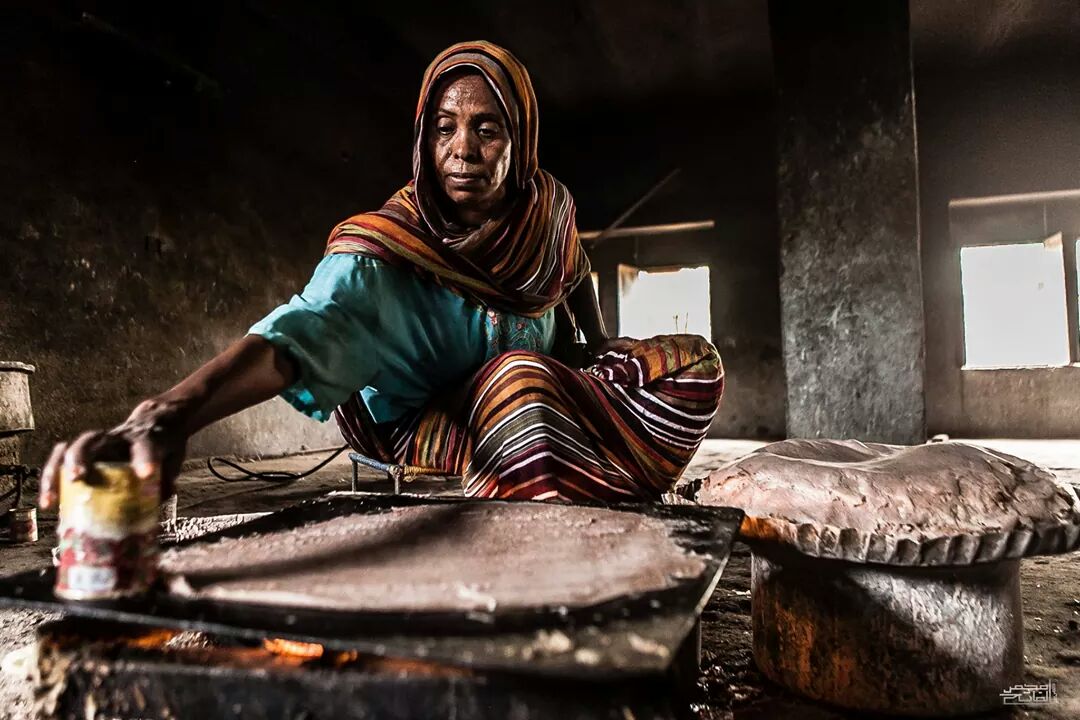 KisraVegan
🇸🇩 Sudan and 5 moreA thin, fermented sorghum flatbread from Sudan and neighboring countries
Bread
KisraVegan
🇸🇩 Sudan and 5 moreA thin, fermented sorghum flatbread from Sudan and neighboring countries
Bread
 BaguetteVegan
🇫🇷 France and 5 moreLong, thin French bread with a crisp crust and soft interior
Bread, Breakfast, Lunch
BaguetteVegan
🇫🇷 France and 5 moreLong, thin French bread with a crisp crust and soft interior
Bread, Breakfast, Lunch