
Chapati
In its own language: चपाती
Unleavened flatbread cooked on a griddle and served hot with meals
Chapati is an unleavened flatbread from the Indian subcontinent, made by mixing whole wheat flour (atta) with water to form a dough, then cooking it on a hot griddle. Eaten hot and soft, it is a staple in India, Pakistan, and East Africa, served with curries, stews, or used as a wrap. Versions differ in thickness, flour blend, and cooking method.
- Chapati is an unleavened flatbread made with whole wheat flour and water
- It is cooked on a hot griddle called a tava and served hot
- East African chapati is fried, giving it a crispier surface
- Chapati is a staple food in India, Pakistan, and much of East Africa
- It is used to scoop up curries, stews, and other dishes
What is Chapati?
Chapati is a round, unleavened flatbread made from whole wheat flour and water, sometimes with a little salt or oil. The dough is rolled into thin discs and cooked on a hot iron griddle, called a tava, until it puffs up and develops brown spots. The result is a soft, pliable bread, often brushed with butter or ghee. Chapati is usually served hot and quickly becomes dry if left out. Its mild wheat flavor and tender texture make it a central part of many South Asian and East African meals.
Where does Chapati come from?
Chapati traces its roots to the Indian subcontinent, with evidence of similar breads dating back to the Indus Valley Civilization. The name comes from Sanskrit, describing the slapping motion used to shape the dough. Chapati appears in both ancient Sanskrit texts and records from the Mughal era. During British rule, it was eaten by both Anglo-Indians and local communities. Indian migration and trade brought chapati to East Africa, where it became part of local cuisines. Today, it is a daily staple in many households and is also widely available as a convenience food.
How is Chapati made?
To make chapati, whole wheat flour (atta) is mixed with water to form a smooth, soft dough. A small amount of salt or oil may be added. The dough is kneaded by hand or machine, then rested to relax the gluten. Small balls are rolled out into thin circles, dusted with flour to prevent sticking. Each disc is cooked on a hot, dry griddle (tava) until bubbles form, then flipped to cook the other side. Sometimes, the chapati is finished directly over a flame to puff it up. In East Africa, chapati is often fried, giving it a crispier surface.


How and when is Chapati eaten?
Chapati is eaten hot, often as the main bread in a meal. It is typically torn by hand and used to scoop up curries, lentil dishes, or stews. In India and Pakistan, it is served with dal, vegetables, or meat dishes. In East Africa, chapati may accompany soups or be used as a wrap for street foods like rolex. It is eaten at any meal—breakfast, lunch, or dinner—and is sometimes topped with butter or ghee. Because it stales quickly, chapati is usually made fresh and eaten the same day.
Kinds of Chapati
Chapati varies by region and flour blend. In India, thickness and size differ between rural and urban areas, and some versions include chickpea, corn, rice, or millet flour. Gujarati rotli is a very thin millet chapati. In East Africa, chapati is fried with oil or butter, making it softer inside and crisp outside. Millet or rice flour versions exist in Zanzibar and Kerala. Some chapatis are flavored with local ingredients, like sangri pods in Rajasthan or sweet potato in Kenya. Gluten-free chapatis use rice flour and added binders.
What Chapati means
Chapati is a daily staple in the Indian subcontinent and East Africa, central to home meals and street food. It is valued for its simplicity and adaptability, and is often made at home, though ready-made versions are now common. Chapati is used in school meals, family gatherings, and as a symbol of shared food culture among South Asian and East African communities. It is not tied to specific religious or festive occasions, but its presence at the table is a mark of comfort and tradition.
Questions people ask about Chapati
What is chapati made of?
Chapati is made from whole wheat flour (atta) mixed with water to form a dough. Salt and oil may be added, but it does not contain yeast or other leavening agents.
Where does chapati come from?
Chapati originated in the Indian subcontinent, with roots going back to the Indus Valley Civilization. It is now common in India, Pakistan, and East African countries like Kenya and Uganda.
How is chapati cooked?
The dough is rolled into thin circles and cooked on a hot, dry griddle called a tava. In East Africa, chapati is often fried in oil or butter, making it crispier.
How is chapati eaten?
Chapati is usually torn by hand and used to pick up curries, stews, or vegetables. It is served hot and is a main bread for meals in many households.
Are there different types of chapati?
Yes, chapati varies by region and flour blend. In India, it can be thick or thin, and sometimes includes chickpea, corn, or millet flour. East African chapati is fried and softer inside.
Good reading and sources
- Encyclopaedia BritannicaArticle
- These One-Bowl Kenyan Chapatis Turn Out Soft and Flaky Every TimeSerious Eats, Recipe
- The chaat storyThe Hindu, Article
- The Taste by Vir Sanghvi: Why the Indian way of eating is more sophisticated than you thinkHindustan Times, Article
The facts on this page come from the Wikipedia article "Chapati", written by its contributors and used under the CC BY-SA 4.0 licence, and from its Wikidata record (CC0). Thali rewrote the text in its own words, with AI assistance, and compares every page with the article to make sure no passage is copied. It may be reused under the same CC BY-SA 4.0 licence with a link back.
It may contain mistakes, and it is not dietary or allergy advice: recipes differ from cook to cook. If something is wrong, tell us. Last refreshed 2026-10-03.
More from India
All the food of India Kebabكَبَاب
🇹🇷 Turkey and 5 moreGrilled or roasted meat, often on skewers, found across the Middle East and beyond
Main dish, Lunch, Dinner
Kebabكَبَاب
🇹🇷 Turkey and 5 moreGrilled or roasted meat, often on skewers, found across the Middle East and beyond
Main dish, Lunch, Dinner
 Samosa
🇮🇳 India and 5 moreFried or baked pastry with a spiced filling, shaped into triangles or cones
Pie or savoury pastry, Snacks, Lunch
Samosa
🇮🇳 India and 5 moreFried or baked pastry with a spiced filling, shaped into triangles or cones
Pie or savoury pastry, Snacks, Lunch
 Biryani
🇮🇳 India and 5 moreRice and spiced meat or vegetables layered and cooked together
Main dish, Lunch, Dinner
Biryani
🇮🇳 India and 5 moreRice and spiced meat or vegetables layered and cooked together
Main dish, Lunch, Dinner
 French toast
🇫🇷 France and 5 moreBread soaked in egg and milk, pan-fried and served sweet or savoury
Main dish, Breakfast, Snacks
French toast
🇫🇷 France and 5 moreBread soaked in egg and milk, pan-fried and served sweet or savoury
Main dish, Breakfast, Snacks
Its cousins elsewhere
All breads Pão de queijoVegetarian
🇧🇷 BrazilCheese-filled rolls made with cassava flour, a breakfast and snack food from Brazil
Bread, Breakfast, Snacks
Pão de queijoVegetarian
🇧🇷 BrazilCheese-filled rolls made with cassava flour, a breakfast and snack food from Brazil
Bread, Breakfast, Snacks
 FrybreadVegetarian
🇺🇸 United StatesFlat, deep-fried bread made by Native Americans with flour, water, and fat
Bread, Snacks, Lunch
FrybreadVegetarian
🇺🇸 United StatesFlat, deep-fried bread made by Native Americans with flour, water, and fat
Bread, Snacks, Lunch
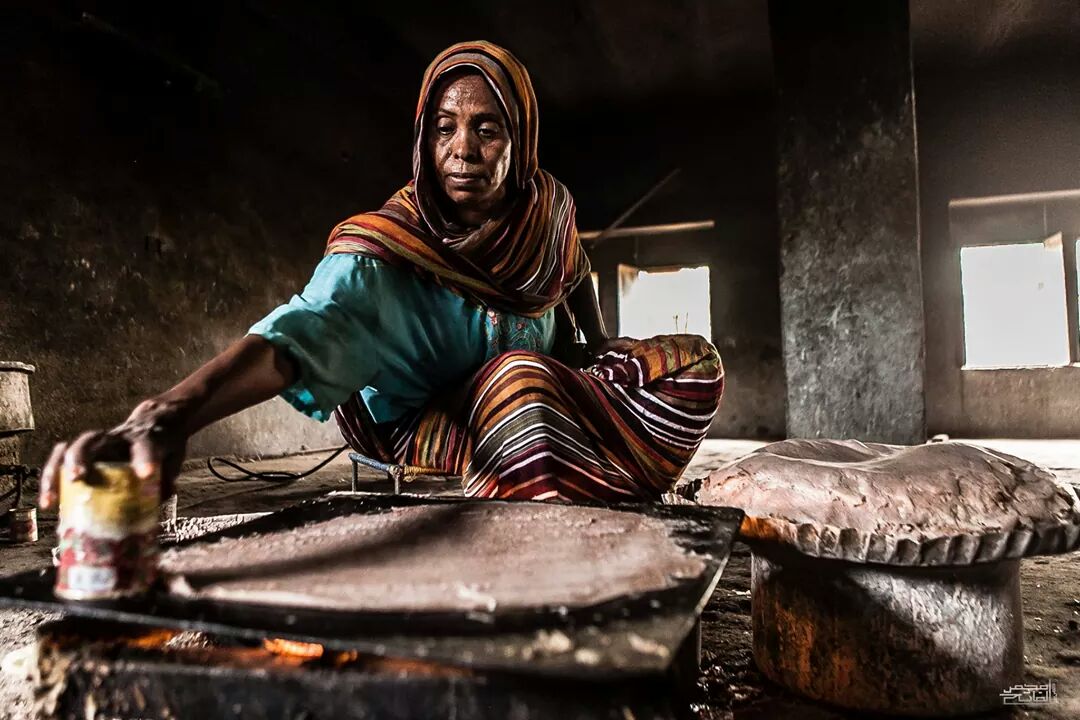 KisraVegan
🇸🇩 Sudan and 5 moreA thin, fermented sorghum flatbread from Sudan and neighboring countries
Bread
KisraVegan
🇸🇩 Sudan and 5 moreA thin, fermented sorghum flatbread from Sudan and neighboring countries
Bread
 BaguetteVegan
🇫🇷 France and 5 moreLong, thin French bread with a crisp crust and soft interior
Bread, Breakfast, Lunch
BaguetteVegan
🇫🇷 France and 5 moreLong, thin French bread with a crisp crust and soft interior
Bread, Breakfast, Lunch