
Lokša
Thin potato flatbreads baked on a hot plate, from Slovakia and South Moravia
Lokša is a thin, pancake-like flatbread made from potatoes, flour, and salt, common in Slovakia and South Moravia in the Czech Republic. The dough is rolled out and baked dry, then served with fillings or spreads such as lard, sauerkraut, minced meat, or sweet toppings like jam and poppy seeds. Lokša is enjoyed at meals or with soups.
- Made from boiled potatoes, flour, and salt
- Baked as thin flatbreads on a hot plate
- Served with lard, sauerkraut, meat, or sweet fillings
- Popular in Slovakia and South Moravia
- Known by several regional names
What is Lokša?
Lokša is a flatbread made mainly from potatoes, flour, and salt. The dough is rolled into thin rounds and baked dry on a hot plate, giving them a soft, flexible texture. In Slovakia, they are often served with savory fillings like sauerkraut or minced meat, or simply spread with lard. In South Moravia, sweet versions are common, filled with jam and sprinkled with poppy seeds and sugar. Lokša can be eaten on its own, with soup, or as a side.
Where does Lokša come from?
Lokša comes from Slovakia and is also well known in the South Moravian region of the Czech Republic. The dish likely developed as a way to use leftover potatoes, a staple crop in these regions. Over time, different names and variations appeared in local dialects, such as lata, přesňák, šumpál, patenta, lokeš, and lokoš. The preparation and fillings have evolved with local tastes, but the basic method remains unchanged.
How is Lokša made?
To make lokša, potatoes are boiled with their skins on, then peeled and grated. The grated potatoes are mixed with flour and salt to form a dough. This dough is rolled out into thin pancakes and baked dry on a hot plate or griddle. After baking, they may be spread with lard or butter, filled with savory or sweet ingredients, and sometimes rolled up before serving.

How and when is Lokša eaten?
Lokša is eaten hot, often as part of lunch or dinner, or as a snack. In Slovakia, it is commonly served with soups or filled with sauerkraut or minced meat. Goose lard is a traditional spread, especially in places known for goose dishes. In South Moravia, sweet lokša is enjoyed with jam, poppy seeds, and sugar, sometimes finished with melted butter. It can be eaten plain or as an accompaniment to other dishes.
Kinds of Lokša
There are both savory and sweet versions of lokša. In Slovakia, the savory type with lard or meat is more popular, while in South Moravia, sweet lokša with jam and poppy seeds is traditional. The dish is known by several regional names, and in some areas, the term lokše also refers to wide noodles added to soup. Fillings and toppings can vary by family and occasion.
What Lokša means
Lokša is a familiar part of everyday meals in Slovakia and South Moravia. In Slovenský Grob, a village famous for goose dishes, lokša is often served with goose or goose liver. The dish reflects local agricultural traditions and is a symbol of regional home cooking. Its many names and forms show its deep roots in the food culture of these areas.
Questions people ask about Lokša
What is lokša made of?
Lokša is made from boiled potatoes, flour, and salt. The potatoes are boiled, peeled, grated, and mixed with flour and salt to form a dough, which is then rolled out and baked.
Where does lokša come from?
Lokša is traditional in Slovakia and the South Moravian region of the Czech Republic. It is a familiar food in both places and has several regional names.
How is lokša usually served?
Lokša can be served with savory fillings like sauerkraut or minced meat, spread with lard, or filled with sweet ingredients like jam and poppy seeds. It is eaten hot, often with soup or as a side.
Is lokša sweet or savory?
Lokša can be either. In Slovakia, savory versions with lard or meat are common, while in South Moravia, sweet lokša with jam and poppy seeds is traditional.
What does lokša look like?
Lokša is a thin, round flatbread, similar in appearance to a pancake, with a soft and flexible texture from the potato dough.
Good reading and sources
The facts on this page come from the Wikipedia article "Lokša", written by its contributors and used under the CC BY-SA 4.0 licence, and from its Wikidata record (CC0). Thali rewrote the text in its own words, with AI assistance, and compares every page with the article to make sure no passage is copied. It may be reused under the same CC BY-SA 4.0 licence with a link back.
It may contain mistakes, and it is not dietary or allergy advice: recipes differ from cook to cook. If something is wrong, tell us. Last refreshed 2026-10-03.
More from Slovakia
All the food of Slovakia Lángos
🇭🇺 Hungary and 5 moreHungarian deep-fried flatbread, often topped with cheese or sour cream
Bread, Breakfast, Snacks
Lángos
🇭🇺 Hungary and 5 moreHungarian deep-fried flatbread, often topped with cheese or sour cream
Bread, Breakfast, Snacks
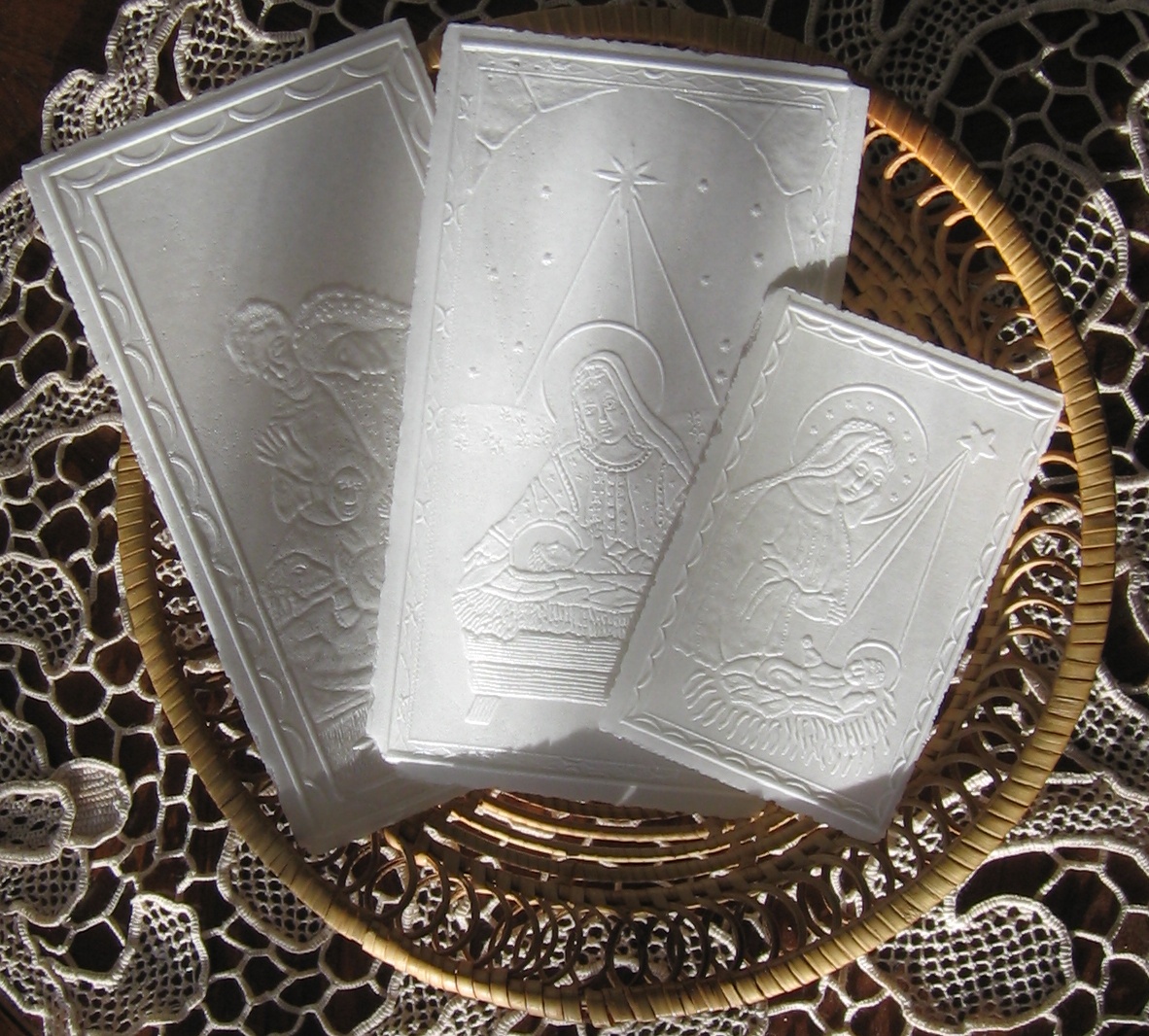 Christmas waferVegan
🇵🇱 Poland and 2 moreThin, embossed wheat wafers shared at Christmas in Poland and Lithuania
Bread
Christmas waferVegan
🇵🇱 Poland and 2 moreThin, embossed wheat wafers shared at Christmas in Poland and Lithuania
Bread
 GoulashMeatgulyás
🇭🇺 Hungary and 5 moreA paprika-spiced meat and vegetable soup from Hungary
Soup, Lunch, Dinner
GoulashMeatgulyás
🇭🇺 Hungary and 5 moreA paprika-spiced meat and vegetable soup from Hungary
Soup, Lunch, Dinner
 Potato pancakeVegetarian
🇧🇾 Belarus and 5 moreShallow-fried pancakes made from grated or mashed potato, common across Europe
Main dish, Lunch, Dinner
Potato pancakeVegetarian
🇧🇾 Belarus and 5 moreShallow-fried pancakes made from grated or mashed potato, common across Europe
Main dish, Lunch, Dinner
Its cousins elsewhere
All breads Bolani
🇦🇫 AfghanistanAfghan flatbread filled with vegetables or meat and fried until crisp
Bread, Lunch, Dinner
Bolani
🇦🇫 AfghanistanAfghan flatbread filled with vegetables or meat and fried until crisp
Bread, Lunch, Dinner
 Rewena breadVeganparāoa rēwena
🇳🇿 New ZealandSourdough bread from New Zealand made with a fermented potato starter
Bread
Rewena breadVeganparāoa rēwena
🇳🇿 New ZealandSourdough bread from New Zealand made with a fermented potato starter
Bread
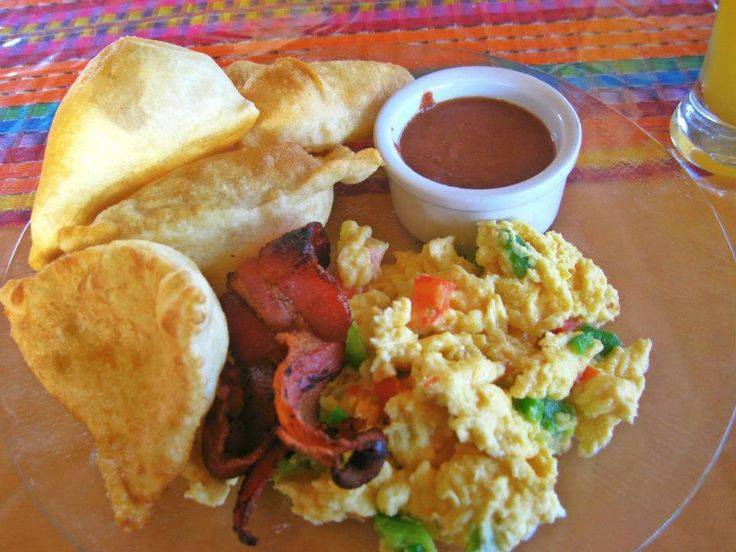 Fry jackVegetarian
🇧🇿 BelizeDeep-fried breakfast dough from Belize, served plain or with sweet or savoury toppings
Bread, Breakfast
Fry jackVegetarian
🇧🇿 BelizeDeep-fried breakfast dough from Belize, served plain or with sweet or savoury toppings
Bread, Breakfast
 PapadamVegan
🇮🇳 India and 4 moreThin, crisp flatbread made from lentil or other flours, served as a snack or side
Bread, Lunch, Dinner
PapadamVegan
🇮🇳 India and 4 moreThin, crisp flatbread made from lentil or other flours, served as a snack or side
Bread, Lunch, Dinner