
Machaca
Shredded dried beef or pork from northern Mexico, often cooked with spices and chiles
Machaca is a dish from northern Mexico made with dried, spiced beef or pork that is shredded and cooked, sometimes with chiles and other seasonings. It is enjoyed in tacos, burritos, or with eggs, and is especially popular in northern Mexican states and parts of the southwestern United States.
- Made from dried, seasoned beef or pork, then shredded
- A specialty of northern Mexico and the southwestern U.S.
- Often served in tacos, burritos, or with eggs
- Flour tortillas up to 20 inches wide are common accompaniments
What is Machaca?
Machaca is made by drying and seasoning beef or pork, then shredding it into thin pieces. The meat is often cooked again with chiles and spices, resulting in a dish that can be either moist or dry. It is commonly eaten with large flour tortillas, and is known for its savory, slightly smoky flavor. The texture can range from chewy to tender, depending on how it is prepared.
Where does Machaca come from?
The roots of machaca lie with ranchers and cowboys in northern Mexico, who dried beef or pork with chiles and spices as a way to preserve meat before refrigeration was common. This method allowed the meat to last longer and be used in many dishes. While drying meat is an ancient practice, the use of local spices made machaca distinct to the region. Today, machaca is still associated with northern Mexico and has spread to nearby areas in the United States.
How is Machaca made?
Traditionally, machaca starts with beef or pork that is dried and seasoned with chiles and spices. The dried meat is then rehydrated and pounded to soften it. In modern kitchens, cooks often use slow-cooked, shredded beef instead of dried meat, simmering it with seasonings until it reaches the desired consistency. The finished meat can be used as a filling for tacos, burritos, or other dishes.


How and when is Machaca eaten?
Machaca is a flexible food, eaten at breakfast, lunch, or dinner. It is often served with flour tortillas, which are sometimes very large. In northern Mexico, machaca is a common filling for tacos, burritos, and flautas. It is also popular as a breakfast dish, especially when cooked with eggs. The dish is enjoyed in homes, at markets, and in restaurants across the region.
Kinds of Machaca
While the classic version uses dried, spiced beef or pork, some cooks substitute slow-cooked, shredded beef when dried meat is not available. The consistency can vary, with some preferring a drier texture and others making it more moist. In Sonora and the southwestern United States, it may be called carne seca or machacado. Local preferences and available ingredients shape the way machaca is prepared and served.
What Machaca means
Machaca holds a special place in the food traditions of northern Mexico, where it is tied to the history of ranching and cowboy life. It is especially linked to the state of Chihuahua, where miners favored it for breakfast. The dish is widely available in markets and stores in the region, and its preparation reflects both old preservation techniques and modern adaptations.
Questions people ask about Machaca
What is machaca made of?
Machaca is made from beef or pork that is dried, seasoned with chiles and spices, then shredded and cooked. Sometimes, slow-cooked and shredded beef is used instead of dried meat.
Where does machaca come from?
Machaca comes from northern Mexico, where it was first made by ranchers and cowboys as a way to preserve meat. It is also popular in the southwestern United States.
How is machaca usually eaten?
Machaca is commonly eaten with large flour tortillas, either as a filling for tacos, burritos, or flautas, or cooked with eggs for breakfast.
What does machaca taste like?
Machaca has a savory, slightly smoky flavor from the dried meat and spices. The texture can be chewy or tender, depending on how it is prepared.
Are there different versions of machaca?
Yes, some versions use slow-cooked shredded beef instead of dried meat, and the consistency can be either dry or moist. In some areas, it is called carne seca or machacado.
Good reading and sources
The facts on this page come from the Wikipedia article "Machaca", written by its contributors and used under the CC BY-SA 4.0 licence, and from its Wikidata record (CC0). Thali rewrote the text in its own words, with AI assistance, and compares every page with the article to make sure no passage is copied. It may be reused under the same CC BY-SA 4.0 licence with a link back.
It may contain mistakes, and it is not dietary or allergy advice: recipes differ from cook to cook. If something is wrong, tell us. Last refreshed 2026-10-03.
More from Mexico
All the food of Mexico Taco
🇲🇽 Mexico and 1 moreA folded tortilla filled with meat, beans or vegetables, eaten by hand
Street food, Lunch, Dinner
Blood sausageMeat
🇫🇷 France and 5 moreA sausage made with animal blood, fillers and spices, cooked or dried until firm
Main dish, Lunch, Dinner
Taco
🇲🇽 Mexico and 1 moreA folded tortilla filled with meat, beans or vegetables, eaten by hand
Street food, Lunch, Dinner
Blood sausageMeat
🇫🇷 France and 5 moreA sausage made with animal blood, fillers and spices, cooked or dried until firm
Main dish, Lunch, Dinner
 MolleteVegetarian
🇲🇽 Mexico and 6 moreOpen-faced Mexican sandwich with refried beans and melted cheese
Bread, Breakfast, Snacks
MolleteVegetarian
🇲🇽 Mexico and 6 moreOpen-faced Mexican sandwich with refried beans and melted cheese
Bread, Breakfast, Snacks
 BarbacoaMeat
🇲🇽 Mexico and 3 moreMeat slow-cooked in a pit lined with agave or banana leaves
Main dish, Lunch, Dinner
BarbacoaMeat
🇲🇽 Mexico and 3 moreMeat slow-cooked in a pit lined with agave or banana leaves
Main dish, Lunch, Dinner
Its cousins elsewhere
All main dishes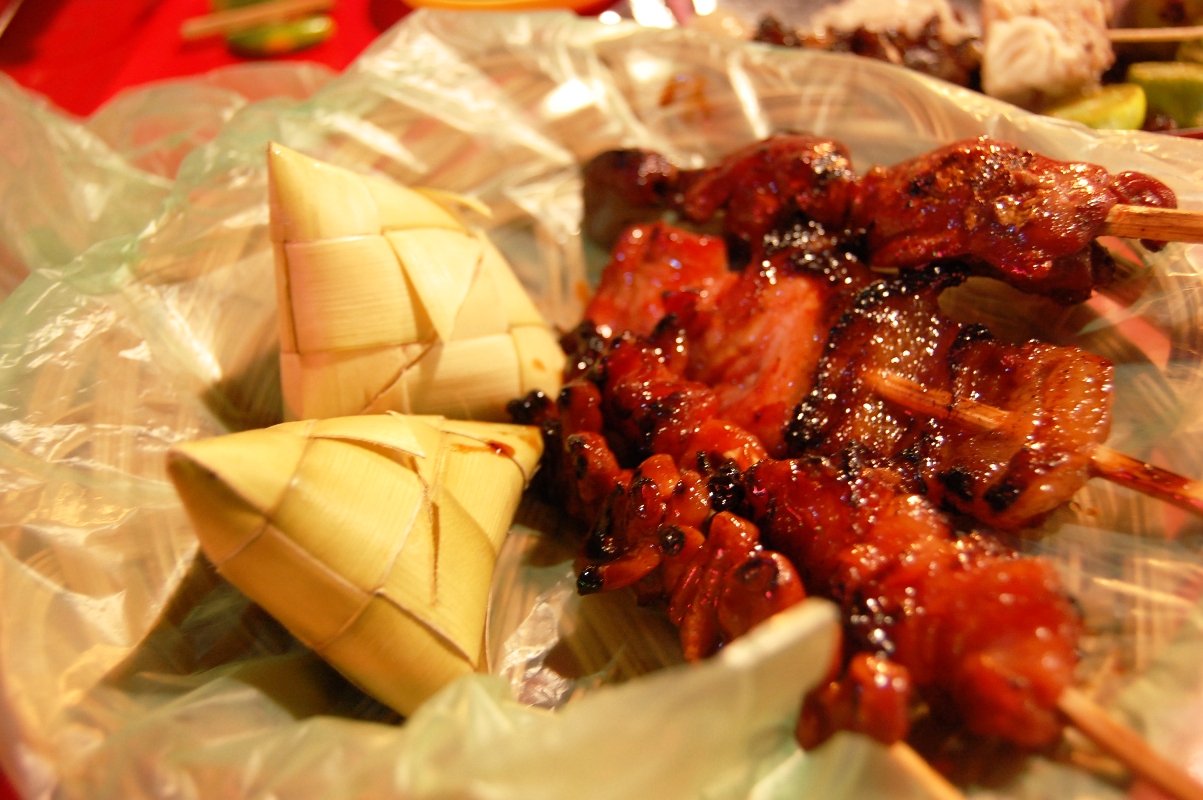 Inihaw
🇵🇭 PhilippinesGrilled meats and seafood, often on skewers, from the Philippines
Main dish, Lunch, Dinner
Inihaw
🇵🇭 PhilippinesGrilled meats and seafood, often on skewers, from the Philippines
Main dish, Lunch, Dinner
 Roujiamo肉夹馍
🇨🇳 ChinaFlatbread filled with stewed meat, a street food from Shaanxi, China
Main dish, Lunch, Dinner
Roujiamo肉夹馍
🇨🇳 ChinaFlatbread filled with stewed meat, a street food from Shaanxi, China
Main dish, Lunch, Dinner
 Pilaf
🇺🇿 Uzbekistan and 5 moreRice cooked in stock with spices, meat or vegetables, with each grain kept separate
Main dish, Lunch, Dinner
Pilaf
🇺🇿 Uzbekistan and 5 moreRice cooked in stock with spices, meat or vegetables, with each grain kept separate
Main dish, Lunch, Dinner
 SaleegMeatسليق
🇸🇦 Saudi ArabiaRice cooked with broth and milk, topped with roasted meat from western Saudi Arabia
Main dish, Lunch, Dinner
SaleegMeatسليق
🇸🇦 Saudi ArabiaRice cooked with broth and milk, topped with roasted meat from western Saudi Arabia
Main dish, Lunch, Dinner