
Manjū
In its own language: 饅頭
Japanese sweet bun with a soft skin and a sweet filling, often red bean paste
Manjū is a Japanese confection, usually a small, round bun with a sweet filling such as red bean paste. Its skin is made from flour, sometimes with buckwheat or kudzu starch, and it is typically steamed or baked. Manjū comes in many shapes and flavors, and is enjoyed as a snack or dessert throughout Japan.
- Manjū is a classic Japanese sweet bun with a soft skin and sweet filling.
- The most common filling is red bean paste, but chestnut and sweet potato are also used.
- It is usually steamed or baked, with many regional and seasonal varieties.
- Manjū has roots in Chinese mantou, adapted to Japanese tastes centuries ago.
- Some types, like kuzu manjū, have a translucent, jelly-like skin.
What is Manjū?
Manjū is a type of wagashi, or traditional Japanese sweet. It is a small, dense bun with a soft outer skin made from flour, sometimes mixed with buckwheat or kudzu starch. Inside, the most common filling is a sweet paste made from azuki beans, called anko. Other fillings include sweet potato, chestnut jam, or custard. Manjū are usually round, but shapes and sizes vary widely. The bun can be steamed, baked, or occasionally fried, and the filling is sweet and smooth or sometimes chunky, depending on the style.
Where does Manjū come from?
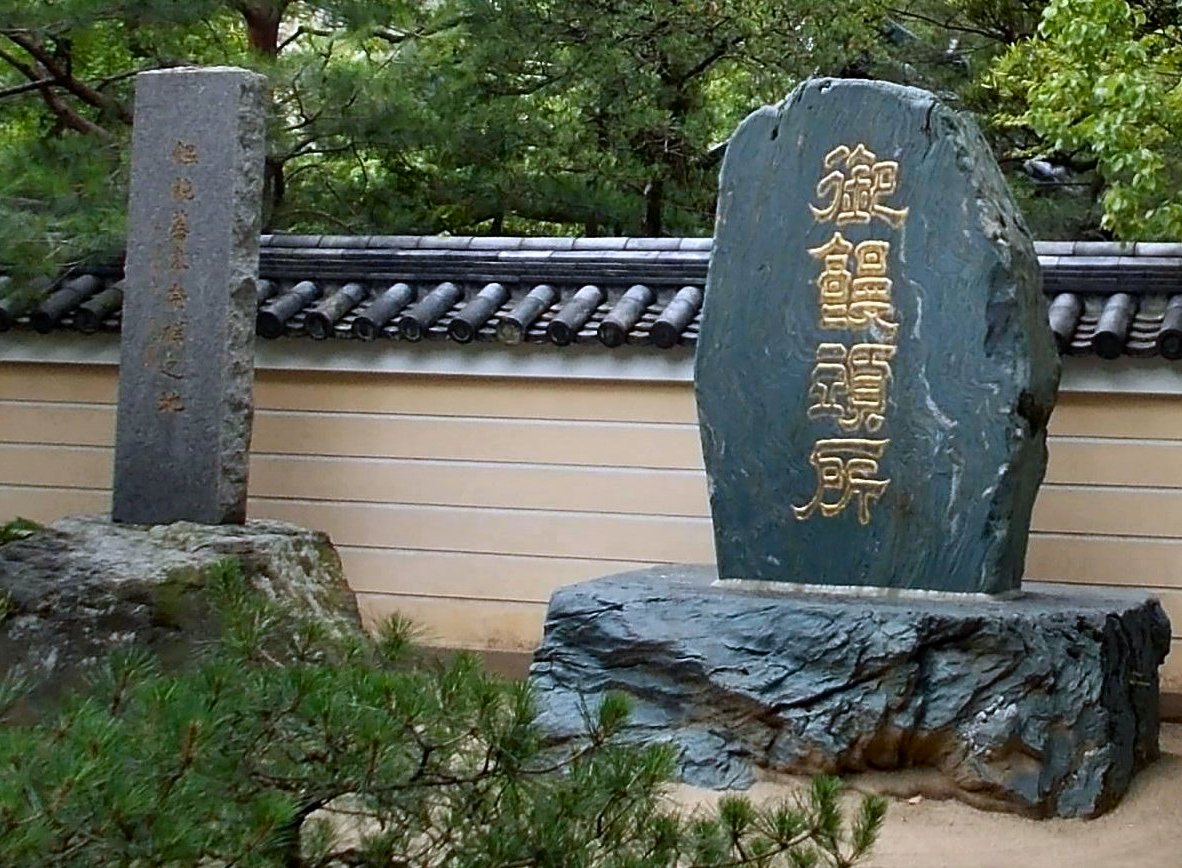
Manjū has its roots in Chinese mantou, brought to Japan by Buddhist monks in the Kamakura period. Two main stories explain its arrival: one credits the Zen priest Enni, who shared the recipe in Hakata after returning from China in 1241; another attributes it to Lin Jingyin, a Chinese native who settled in Nara in 1341. Early Japanese versions adapted the Chinese meat-filled bun to use sweet bean paste, fitting Buddhist dietary customs. Over centuries, manjū became a staple of Japanese tea culture and developed many regional forms.
How is Manjū made?
To make manjū, a dough is prepared from wheat flour, sometimes with buckwheat or kudzu starch, and shaped into small rounds. The dough is wrapped around a sweet filling, most often red bean paste, but sometimes sweet potato, chestnut, or custard. The filled buns are then steamed or baked until the skin is set and soft. Some versions use a sake starter or yam to leaven the dough, making it fluffier. Special types, like kuzu manjū, use a translucent starch skin and are chilled in water.



How and when is Manjū eaten?
Manjū is enjoyed as a snack or with tea, often as part of a casual break or during gatherings. It is served at room temperature or slightly warm, depending on the type. Traditionally, it might be presented on a tray with chopsticks and sometimes alongside soup and pickles. There are customs for eating it, such as splitting a piece in half, but it is also common to eat a whole manjū in one bite. Manjū is widely available in shops and is a popular everyday treat.
Kinds of Manjū
There are many kinds of manjū. The skin can be made with wheat flour, yam, or kudzu starch, and may be steamed, baked, or fried. Fillings range from the classic red bean paste to white bean paste, sweet potato, chestnut, or even custard. Regional types include the maple leaf-shaped momiji manjū from Hiroshima, the thin-skinned usukawa manjū from Fukushima, and kuzu manjū with a jelly-like translucent skin from Fukui and Gifu. Some shops have their own unique shapes and flavors.
What Manjū means
Manjū is closely linked to Japanese tea culture and is a common wagashi, or traditional sweet. It has a long history and is associated with hospitality and seasonal celebrations, though it is also an everyday snack. Some regional varieties are local specialties and sources of pride. The introduction of manjū is commemorated at temples and in local histories, and certain shops are famous for their own styles. Manjū also appears in Japanese literature and art.
Questions people ask about Manjū
What is manjū made of?
Manjū is made from a dough of flour, sometimes with buckwheat or kudzu starch, and filled with sweet pastes such as red bean, sweet potato, chestnut jam, or custard.
Where does manjū come from?
Manjū comes from Japan, with its origins tracing back to Chinese mantou buns brought over by Buddhist monks in the Kamakura period.
How is manjū different from mochi?
Manjū uses a flour-based dough for its skin, while mochi is made from pounded rice. The fillings and textures are also different.
Are there different types of manjū?
Yes, there are many kinds. The skin can be made from wheat, yam, or kudzu starch, and fillings include red bean paste, white bean paste, sweet potato, chestnut, and custard. Shapes and preparation methods also vary by region.
When is manjū usually eaten?
Manjū is commonly eaten as a snack or with tea. It is enjoyed year-round and is available in shops across Japan.
Good reading and sources
The facts on this page come from the Wikipedia article "Manjū", written by its contributors and used under the CC BY-SA 4.0 licence, and from its Wikidata record (CC0). EveryThali rewrote the text in its own words, with AI assistance, and compares every page with the article to make sure no passage is copied. It may be reused under the same CC BY-SA 4.0 licence with a link back.
It may contain mistakes, and it is not dietary or allergy advice: recipes differ from cook to cook. If something is wrong, tell us. Last refreshed 2026-10-05.
More from Japan
All the food of Japan Ice cream
🇺🇸 United States and 5 moreA frozen dessert made from sweetened, flavoured milk or cream
Sweet or dessert, Snacks
Ice cream
🇺🇸 United States and 5 moreA frozen dessert made from sweetened, flavoured milk or cream
Sweet or dessert, Snacks
 KabochaVeganカボチャ
🇯🇵 Japan and 5 moreA sweet, dense winter squash with edible skin, used in Japanese and Asian cooking
Main dish, Lunch, Dinner
KabochaVeganカボチャ
🇯🇵 Japan and 5 moreA sweet, dense winter squash with edible skin, used in Japanese and Asian cooking
Main dish, Lunch, Dinner
 Cheesecake
🇬🇷 Greece and 5 moreA chilled dessert of sweetened soft cheese on a crumb or pastry base
Sweet or dessert, Snacks
Cheesecake
🇬🇷 Greece and 5 moreA chilled dessert of sweetened soft cheese on a crumb or pastry base
Sweet or dessert, Snacks
 MochiVegan餅
🇯🇵 JapanJapanese rice cake made by pounding glutinous rice into a sticky, chewy mass
Sweet or dessert
MochiVegan餅
🇯🇵 JapanJapanese rice cake made by pounding glutinous rice into a sticky, chewy mass
Sweet or dessert
Its cousins elsewhere
All sweets and desserts Galette
🇫🇷 France and 1 moreFlat French cakes or pies, from rustic fruit tarts to buckwheat pancakes
Pie or savoury pastry, Breakfast, Lunch
Galette
🇫🇷 France and 1 moreFlat French cakes or pies, from rustic fruit tarts to buckwheat pancakes
Pie or savoury pastry, Breakfast, Lunch
 Poppy seed rollVegetarian
🇭🇺 Hungary and 5 moreSweet yeast bread rolled with poppy seed or walnut filling
Pie or savoury pastry, Tea time, Snacks
DucanaVegan
🇦🇬 Antigua and Barbuda and 3 moreSpiced sweet potato and coconut dumpling boiled in a leaf wrapping
Dumpling, Lunch, Dinner
Poppy seed rollVegetarian
🇭🇺 Hungary and 5 moreSweet yeast bread rolled with poppy seed or walnut filling
Pie or savoury pastry, Tea time, Snacks
DucanaVegan
🇦🇬 Antigua and Barbuda and 3 moreSpiced sweet potato and coconut dumpling boiled in a leaf wrapping
Dumpling, Lunch, Dinner
 CroissantVegetarian
🇫🇷 France and 5 moreA crescent-shaped, flaky pastry made from layered yeast dough and butter
Pie or savoury pastry, Breakfast, Tea time
CroissantVegetarian
🇫🇷 France and 5 moreA crescent-shaped, flaky pastry made from layered yeast dough and butter
Pie or savoury pastry, Breakfast, Tea time