
Mee rebus
Noodles in a rich, savoury gravy from Maritime Southeast Asia
Mee rebus is a noodle soup dish from Maritime Southeast Asia, especially Indonesia, Malaysia, and Singapore. It features boiled noodles served in a thick, savoury gravy that may be based on dried shrimp or fermented soybeans. The dish is enjoyed as a main meal and has several regional versions.
- Mee rebus means 'boiled noodles' in Malay and Indonesian
- The dish is popular in Indonesia, Malaysia, and Singapore
- Gravy can be based on dried shrimp or fermented soybean paste
- Regional versions use toppings like anchovy, chicken, or peanut
- Javanese vendors are known for the 'tek-tek' sound when selling it
What is Mee rebus?
Mee rebus is a noodle soup made with boiled yellow noodles and a thick, savoury gravy. The gravy may use dried shrimp or tauchu, which is a fermented soybean paste, giving it a rich and sometimes slightly sweet or spicy taste. Toppings and additions can include egg, anchovy, chicken, chopped chili, peanut, and fried egg, depending on the region. The dish is commonly found in Indonesia, Malaysia, and Singapore, and is known for its hearty and comforting character.
Where does Mee rebus come from?
Mee rebus comes from Maritime Southeast Asia and is especially popular in Indonesia, Malaysia, and Singapore. The name means 'boiled noodles' in Malay and Indonesian. Its history is tied to the street food culture of these countries, where noodle dishes are a staple. Over time, local ingredients and tastes have shaped distinct regional versions, but the core idea of noodles in a rich gravy remains the same.
How is Mee rebus made?
To prepare mee rebus, yellow noodles are boiled and placed in a bowl. A thick gravy is poured over the noodles; this gravy can be made with dried shrimp or tauchu, and is often seasoned with spices and sometimes ground chilies. Depending on the region, the dish may be topped with slices of boiled or fried egg, peanuts, chopped bird's-eye chili, anchovies, or chicken. The soup can be clear or thick, and garnishes vary by local custom.


How and when is Mee rebus eaten?
Mee rebus is typically eaten as a main meal, either for lunch or dinner. It is served in a bowl, often at hawker centres or street stalls in Indonesia, Malaysia, and Singapore. Diners may add extra chili or squeeze lime over the dish for more flavour. It is a popular everyday food, enjoyed by people of all ages, and is sometimes eaten as a late-night snack.
Kinds of Mee rebus
Several regional versions exist. In Indonesia, Bengkalis-style mie rebus uses a clear soup with anchovy or chicken, chili, peanut, and fried egg. Javanese-style mie rebus, also called mie tek-tek, is named after the sound vendors make to attract customers. Medan-style mie rebus, sometimes called emie, shows Indian influence. Padang-style mie rebus features a spicy soup with ground chilies and is topped with kerupuk merah, a type of cracker. Malaysia has its own local styles, such as Kuala Terengganu's version.
What Mee rebus means
Mee rebus is a familiar sight in the food culture of Indonesia, Malaysia, and Singapore, especially at hawker centres and street food stalls. It is an everyday dish, not tied to any particular festival or religious occasion. The dish reflects the region's love of noodle soups and the blending of local flavours and ingredients. Its popularity has led to many local adaptations and it is often mentioned alongside other classic noodle dishes.
Questions people ask about Mee rebus
What is mee rebus made of?
Mee rebus is made of boiled yellow noodles served in a thick gravy, which can be based on dried shrimp or fermented soybean paste. Toppings may include egg, anchovy, chicken, chili, peanut, and fried egg, depending on the region.
Where does mee rebus come from?
Mee rebus comes from Maritime Southeast Asia and is especially popular in Indonesia, Malaysia, and Singapore. It is a common street food and main meal in these countries.
Is mee rebus always made the same way?
No, mee rebus has several regional variations. For example, Bengkalis-style uses anchovy or chicken, while Padang-style is spicy and topped with crackers. The gravy and toppings can differ by location.
When is mee rebus usually eaten?
Mee rebus is typically eaten as a main meal for lunch or dinner. It is an everyday food found at hawker centres and street stalls.
What does 'mie kuah' mean?
'Mie kuah' literally means 'noodle soup' in Indonesian. It is another name for mee rebus, highlighting the dish's soup-like character.
Good reading and sources
The facts on this page come from the Wikipedia article "Mee rebus", written by its contributors and used under the CC BY-SA 4.0 licence, and from its Wikidata record (CC0). Thali rewrote the text in its own words, with AI assistance, and compares every page with the article to make sure no passage is copied. It may be reused under the same CC BY-SA 4.0 licence with a link back.
It may contain mistakes, and it is not dietary or allergy advice: recipes differ from cook to cook. If something is wrong, tell us. Last refreshed 2026-10-03.
More from Indonesia
All the food of Indonesia Biryani
🇮🇳 India and 5 moreRice and spiced meat or vegetables layered and cooked together
Main dish, Lunch, Dinner
Biryani
🇮🇳 India and 5 moreRice and spiced meat or vegetables layered and cooked together
Main dish, Lunch, Dinner
 Roti canaiரொட்டி சென்னை
🇲🇾 Malaysia and 5 moreUnleavened flatbread tossed thin and cooked until crisp, served with curry or dal
Bread, Breakfast, Snacks
Roti canaiரொட்டி சென்னை
🇲🇾 Malaysia and 5 moreUnleavened flatbread tossed thin and cooked until crisp, served with curry or dal
Bread, Breakfast, Snacks
 Lei chaVegan擂茶
🇨🇳 China and 3 moreA Hakka tea-based drink or soup made with ground tea, nuts, seeds and grains
Drink
Lei chaVegan擂茶
🇨🇳 China and 3 moreA Hakka tea-based drink or soup made with ground tea, nuts, seeds and grains
Drink
Its cousins elsewhere
All main dishes Tamaletamal
🇲🇽 Mexico and 5 moreCorn dough filled and steamed in a leaf wrapper, with many regional fillings
Main dish, Breakfast, Lunch
Tamaletamal
🇲🇽 Mexico and 5 moreCorn dough filled and steamed in a leaf wrapper, with many regional fillings
Main dish, Breakfast, Lunch
 Chicken soupMeat
🇺🇸 United States and 4 moreA hot soup of chicken simmered with vegetables, noodles or grains
Soup, Lunch, Dinner
Chicken soupMeat
🇺🇸 United States and 4 moreA hot soup of chicken simmered with vegetables, noodles or grains
Soup, Lunch, Dinner
 Salade niçoise
🇫🇷 France and 1 moreA French salad of tomatoes, eggs, olives and anchovies or tuna from Nice
Salad or side, Lunch, Dinner
Salade niçoise
🇫🇷 France and 1 moreA French salad of tomatoes, eggs, olives and anchovies or tuna from Nice
Salad or side, Lunch, Dinner
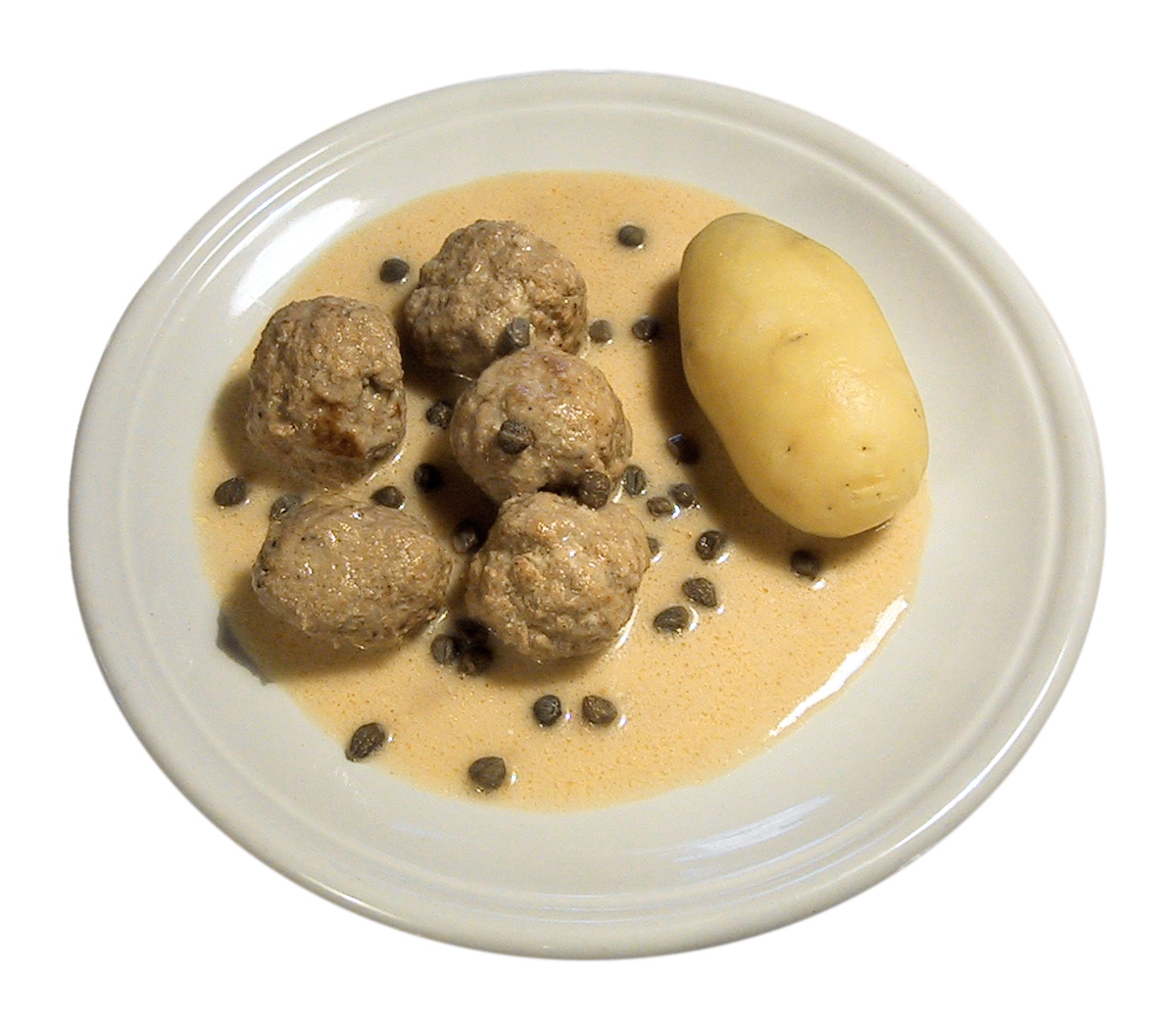 Königsberger KlopseMeat
🇩🇪 Germany and 1 moreGerman meatballs in a creamy white sauce with capers
Main dish, Lunch, Dinner
Königsberger KlopseMeat
🇩🇪 Germany and 1 moreGerman meatballs in a creamy white sauce with capers
Main dish, Lunch, Dinner