🇮🇩 The food of Indonesia
57 dishes from Indonesia, best known first, across 32 cities and regions.
Indonesian cooking brings together a huge range of local traditions from thousands of islands, shaped by centuries of trade and migration. Meals are built around rice, with bold spice blends, chili heat, and a mix of sweet, sour, and savory flavors. Dishes and techniques vary widely by region, reflecting both indigenous roots and outside influences.
- Indonesia has over 5,000 traditional recipes.
- Sambal chili sauce is a staple at every table.
- Tempeh, a fermented soybean cake, was invented in Java.
- Tumpeng, a cone-shaped rice dish, is the official national dish.
- Meals are usually eaten with a spoon and fork, not knives.
The cooking of Indonesia
Indonesian food is shaped by its geography and history. With over 600 ethnic groups across thousands of islands, each region has developed its own cooking style. Indian, Middle Eastern, Chinese, and European traders brought new ingredients and methods, which blended with local traditions. Spices like cloves and nutmeg, once prized worldwide, are native here. Meals often feature complex spice pastes, chili heat, and a balance of sweet, salty, sour, and bitter. Common ways of cooking include frying, grilling, sautéing, boiling, and steaming. Dishes such as nasi goreng (fried rice), satay (skewered grilled meat), and soto (aromatic soup) are found everywhere, while each area has its own specialties.
Staple foods in Indonesia
Rice is central to Indonesian meals and culture, eaten daily in many forms. It can be served plain, cooked in coconut milk, or steamed in woven palm leaves. Soy-based foods like tofu and tempeh (a fermented soybean cake from Java) are common. Vegetables, fish, and meat are frequent sides, and sambal, a spicy chili sauce, is nearly always present. Noodles and soups also appear often, reflecting Chinese influence.
From region to region in Indonesia
Food changes noticeably from island to island. Sumatran cooking uses more Indian and Middle Eastern spices, with dishes like rich curries and gulai (spiced stews). Javanese food is mostly native, with some Chinese touches, and tends to be sweeter. In eastern Indonesia, meals resemble those of Polynesia and Melanesia, with more root vegetables and less rice. Some inland groups, like the Bataks and Dayaks, keep older traditions, including pork and wild meats, while coastal areas often follow Muslim dietary rules.
At the table in Indonesia
A typical meal centers on steamed rice, with several shared dishes of vegetables, meat, or fish. Everyone helps themselves, placing food from communal plates onto their own. Mixing dishes on the plate is normal. Meals are usually eaten with a spoon and fork, as knives are not used at the table. In some regions, eating with bare hands is common, and a bowl of scented water is provided for washing. Chopsticks are used mainly for Chinese-style noodle dishes.
The facts in this overview come from the Wikipedia article "Indonesian cuisine", written by its contributors and used under the CC BY-SA 4.0 licence. Thali rewrote the text in its own words, with AI assistance, and compares every page with the article to make sure no passage is copied. It may be reused under the same CC BY-SA 4.0 licence with a link back.
Cities and regions of Indonesia
 CoffeeVegan
🇾🇪 Yemen and 5 moreA dark, bitter drink made by brewing roasted coffee beans
Drink, Breakfast, Snacks
TofuVegan豆腐
🇨🇳 China and 5 moreSoft white blocks made by curdling soy milk and pressing the curds
Main dish
CoffeeVegan
🇾🇪 Yemen and 5 moreA dark, bitter drink made by brewing roasted coffee beans
Drink, Breakfast, Snacks
TofuVegan豆腐
🇨🇳 China and 5 moreSoft white blocks made by curdling soy milk and pressing the curds
Main dish
 Biryani
🇮🇳 India and 5 moreRice and spiced meat or vegetables layered and cooked together
Main dish, Lunch, Dinner
Naanनान
🇮🇳 India and 5 moreLeavened flatbread baked in a tandoor or on a pan, soft and spotted with golden brown
Bread, Lunch, Dinner
Biryani
🇮🇳 India and 5 moreRice and spiced meat or vegetables layered and cooked together
Main dish, Lunch, Dinner
Naanनान
🇮🇳 India and 5 moreLeavened flatbread baked in a tandoor or on a pan, soft and spotted with golden brown
Bread, Lunch, Dinner
 Palm wineVegan
🇳🇬 Nigeria and 5 moreA lightly alcoholic drink made by fermenting the sap of palm trees
Drink
Palm wineVegan
🇳🇬 Nigeria and 5 moreA lightly alcoholic drink made by fermenting the sap of palm trees
Drink
 Lei chaVegan擂茶
🇨🇳 China and 3 moreA Hakka tea-based drink or soup made with ground tea, nuts, seeds and grains
Drink
Lei chaVegan擂茶
🇨🇳 China and 3 moreA Hakka tea-based drink or soup made with ground tea, nuts, seeds and grains
Drink
 Roti canaiரொட்டி சென்னை
🇲🇾 Malaysia and 5 moreUnleavened flatbread tossed thin and cooked until crisp, served with curry or dal
Bread, Breakfast, Snacks
Roti canaiரொட்டி சென்னை
🇲🇾 Malaysia and 5 moreUnleavened flatbread tossed thin and cooked until crisp, served with curry or dal
Bread, Breakfast, Snacks
 BreadfruitVegan
🇵🇭 Philippines and 4 moreLarge tropical fruit cooked as a starchy staple in many island cuisines
Main dish, Lunch, Dinner
BreadfruitVegan
🇵🇭 Philippines and 4 moreLarge tropical fruit cooked as a starchy staple in many island cuisines
Main dish, Lunch, Dinner
 Iced teaVegan
🇺🇸 United States and 5 moreChilled tea served over ice, sometimes sweetened or flavored with fruit
Drink, Lunch, Dinner
Iced teaVegan
🇺🇸 United States and 5 moreChilled tea served over ice, sometimes sweetened or flavored with fruit
Drink, Lunch, Dinner
 Fried rice
🇨🇳 China and 5 moreCooked rice stir-fried with eggs, vegetables, meat or seafood, and seasonings
Main dish, Breakfast, Lunch
Fried rice
🇨🇳 China and 5 moreCooked rice stir-fried with eggs, vegetables, meat or seafood, and seasonings
Main dish, Breakfast, Lunch
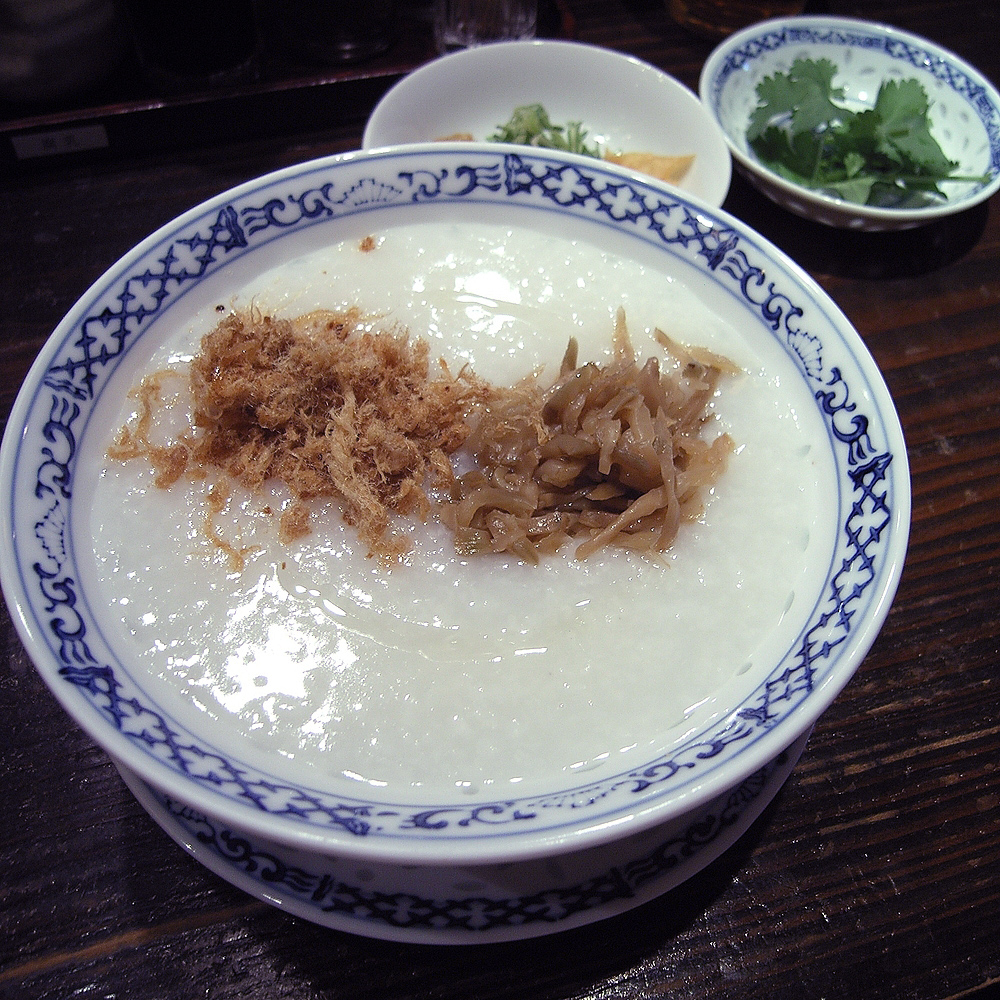 Congee粥
🇨🇳 China and 5 moreRice simmered in water to make a soft, comforting porridge
Main dish, Breakfast, Dinner
Congee粥
🇨🇳 China and 5 moreRice simmered in water to make a soft, comforting porridge
Main dish, Breakfast, Dinner
 SharbatVeganشربت
🇮🇷 Iran and 5 moreSweet fruit or flower drink, served chilled or as a syrup
Drink, Snacks
SharbatVeganشربت
🇮🇷 Iran and 5 moreSweet fruit or flower drink, served chilled or as a syrup
Drink, Snacks
 Nasi goreng
🇮🇩 Indonesia and 5 moreSoutheast Asian fried rice seasoned with sweet soy sauce and spices
Main dish, Breakfast, Lunch
Nasi goreng
🇮🇩 Indonesia and 5 moreSoutheast Asian fried rice seasoned with sweet soy sauce and spices
Main dish, Breakfast, Lunch
 Satayꦱꦠꦺ
🇮🇩 Indonesia and 5 moreGrilled skewers of seasoned meat or seafood, often served with peanut sauce
Main dish, Lunch, Dinner
Satayꦱꦠꦺ
🇮🇩 Indonesia and 5 moreGrilled skewers of seasoned meat or seafood, often served with peanut sauce
Main dish, Lunch, Dinner
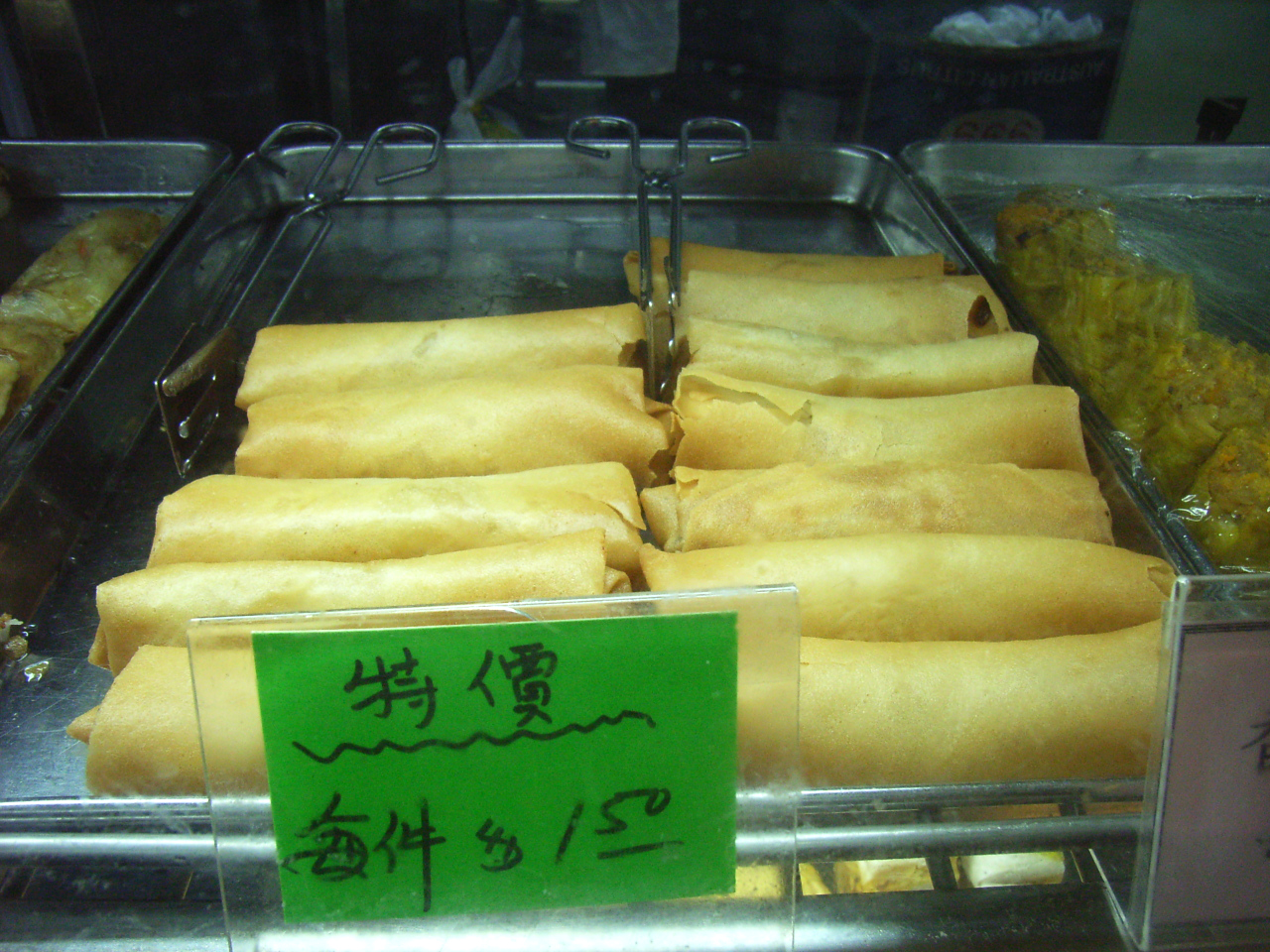 Spring roll春卷
🇨🇳 China and 5 moreA thin wrapper rolled around vegetables or meat, served fried or fresh
Main dish, Snacks, Lunch
Spring roll春卷
🇨🇳 China and 5 moreA thin wrapper rolled around vegetables or meat, served fried or fresh
Main dish, Snacks, Lunch
 Pastel de nataVegetarian
🇵🇹 Portugal and 4 moreSmall Portuguese tarts with a creamy egg custard in crisp pastry
Sweet or dessert, Snacks, Tea time
RendangMeatRandang
🇮🇩 Indonesia and 4 moreMeat simmered with coconut and spices until coated in a rich, dry sauce
Main dish, Lunch, Dinner
Pastel de nataVegetarian
🇵🇹 Portugal and 4 moreSmall Portuguese tarts with a creamy egg custard in crisp pastry
Sweet or dessert, Snacks, Tea time
RendangMeatRandang
🇮🇩 Indonesia and 4 moreMeat simmered with coconut and spices until coated in a rich, dry sauce
Main dish, Lunch, Dinner
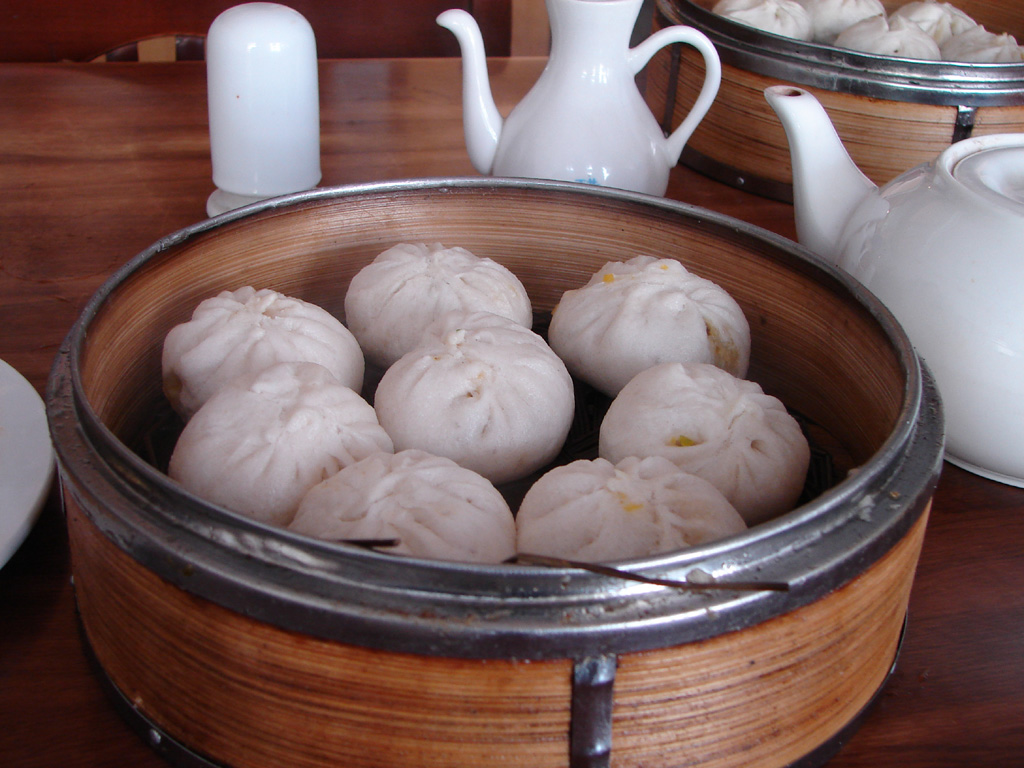 Baozi包子
🇨🇳 China and 5 moreSteamed wheat buns filled with meat or vegetables, common across China and beyond
Main dish, Breakfast, Snacks
Baozi包子
🇨🇳 China and 5 moreSteamed wheat buns filled with meat or vegetables, common across China and beyond
Main dish, Breakfast, Snacks
 Gado-gado
🇮🇩 IndonesiaVegetables, tofu and rice cake in a rich Indonesian peanut sauce
Salad or side, Lunch, Dinner
Gado-gado
🇮🇩 IndonesiaVegetables, tofu and rice cake in a rich Indonesian peanut sauce
Salad or side, Lunch, Dinner
 Wonton云吞
🇨🇳 China and 5 moreChinese dumplings with a thin wrapper, filled and served in soup or fried
Dumpling, Lunch, Dinner
Wonton云吞
🇨🇳 China and 5 moreChinese dumplings with a thin wrapper, filled and served in soup or fried
Dumpling, Lunch, Dinner
 Chow mein炒麵
🇨🇳 China and 5 moreStir-fried noodles with vegetables and often meat or tofu
Noodle or pasta dish, Lunch, Dinner
Chow mein炒麵
🇨🇳 China and 5 moreStir-fried noodles with vegetables and often meat or tofu
Noodle or pasta dish, Lunch, Dinner
 Korma
🇮🇳 India and 4 moreA rich curry of meat or vegetables simmered in yogurt and spices
Stew or curry, Lunch, Dinner
Korma
🇮🇳 India and 4 moreA rich curry of meat or vegetables simmered in yogurt and spices
Stew or curry, Lunch, Dinner
 Laksaلقسا / 叻沙
🇲🇾 Malaysia and 3 moreSpicy Southeast Asian noodle soup with coconut or sour broth
Soup, Breakfast, Lunch
Laksaلقسا / 叻沙
🇲🇾 Malaysia and 3 moreSpicy Southeast Asian noodle soup with coconut or sour broth
Soup, Breakfast, Lunch
 Sambal
🇮🇩 Indonesia and 5 moreA spicy Southeast Asian paste or sauce made mainly from ground chillies
Sauce, pickle or ferment
Sambal
🇮🇩 Indonesia and 5 moreA spicy Southeast Asian paste or sauce made mainly from ground chillies
Sauce, pickle or ferment
 KetupatVegan
🇮🇩 Indonesia and 5 moreRice packed in woven palm leaf pouches and boiled until firm
Main dish, Lunch, Dinner
KetupatVegan
🇮🇩 Indonesia and 5 moreRice packed in woven palm leaf pouches and boiled until firm
Main dish, Lunch, Dinner
 Sugarcane juiceVegan
🇮🇳 India and 6 moreFresh juice pressed from sugarcane stalks, sold widely as a street drink
Drink, Snacks
Sugarcane juiceVegan
🇮🇳 India and 6 moreFresh juice pressed from sugarcane stalks, sold widely as a street drink
Drink, Snacks
 Nian gaoVegan年糕
🇨🇳 China and 5 moreSticky rice cake enjoyed at Chinese New Year for good luck
Sweet or dessert, Snacks
Nian gaoVegan年糕
🇨🇳 China and 5 moreSticky rice cake enjoyed at Chinese New Year for good luck
Sweet or dessert, Snacks
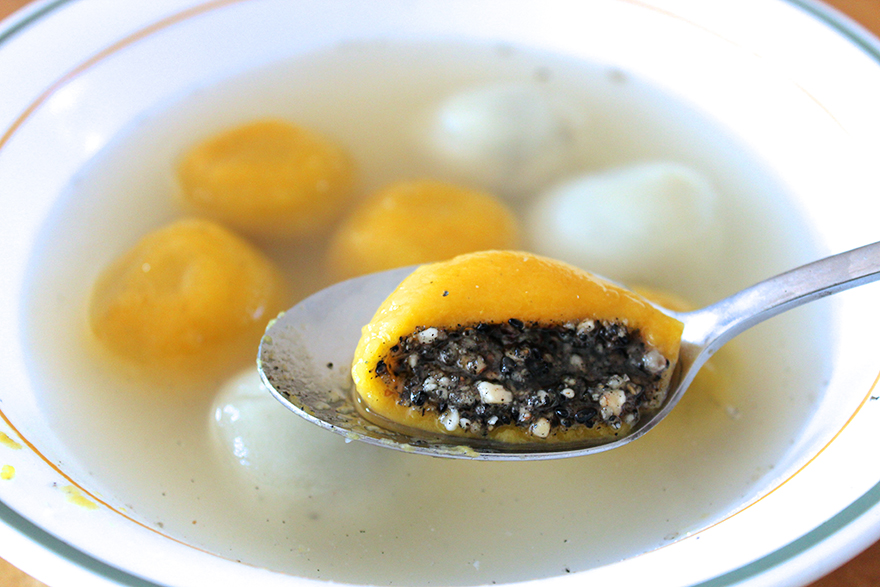 Tangyuan汤圆 / 湯圓
🇨🇳 China and 5 moreGlutinous rice balls, often filled, served in sweet or savory broth
Sweet or dessert, Snacks
Tangyuan汤圆 / 湯圓
🇨🇳 China and 5 moreGlutinous rice balls, often filled, served in sweet or savory broth
Sweet or dessert, Snacks
 Rojakrujak (ꦫꦸꦗꦏ꧀)
🇮🇩 Indonesia and 2 moreA spicy-sweet fruit and vegetable salad with peanut and palm sugar dressing
Salad or side, Snacks
Rojakrujak (ꦫꦸꦗꦏ꧀)
🇮🇩 Indonesia and 2 moreA spicy-sweet fruit and vegetable salad with peanut and palm sugar dressing
Salad or side, Snacks
 Kouign-amannVegetarian
🇫🇷 France and 3 moreBreton pastry of caramelized butter and sugar in flaky layers
Pie or savoury pastry, Tea time, Snacks
Kouign-amannVegetarian
🇫🇷 France and 3 moreBreton pastry of caramelized butter and sugar in flaky layers
Pie or savoury pastry, Tea time, Snacks
 CendolVeganꦕꦺꦤ꧀ꦝꦺꦴꦭ꧀
🇮🇩 Indonesia and 5 moreGreen rice flour jelly with coconut milk, palm sugar syrup and ice
Drink, Snacks
CendolVeganꦕꦺꦤ꧀ꦝꦺꦴꦭ꧀
🇮🇩 Indonesia and 5 moreGreen rice flour jelly with coconut milk, palm sugar syrup and ice
Drink, Snacks
 LemangVegan
🇮🇩 Indonesia and 3 moreGlutinous rice cooked with coconut milk in bamboo tubes lined with banana leaves
Main dish, Lunch, Dinner
LemangVegan
🇮🇩 Indonesia and 3 moreGlutinous rice cooked with coconut milk in bamboo tubes lined with banana leaves
Main dish, Lunch, Dinner
 YoutiaoVegan油條
🇨🇳 China and 5 moreLong, golden-brown strips of deep-fried dough eaten across East and Southeast Asia
Street food, Breakfast, Snacks
YoutiaoVegan油條
🇨🇳 China and 5 moreLong, golden-brown strips of deep-fried dough eaten across East and Southeast Asia
Street food, Breakfast, Snacks
 Jian duiVegetarian
🇨🇳 China and 5 moreFried glutinous rice balls coated with sesame seeds and filled with sweet paste
Sweet or dessert, Snacks, Tea time
Jian duiVegetarian
🇨🇳 China and 5 moreFried glutinous rice balls coated with sesame seeds and filled with sweet paste
Sweet or dessert, Snacks, Tea time
 Tofu skinVeganゆば
🇨🇳 China and 2 moreThin sheets formed from the surface of heated soy milk
Main dish
Tofu skinVeganゆば
🇨🇳 China and 2 moreThin sheets formed from the surface of heated soy milk
Main dish
 RawonMeatꦫꦮꦺꦴꦤ꧀
🇮🇩 Indonesia and 1 moreJavanese beef soup made dark with keluak nut
Soup, Lunch, Dinner
RawonMeatꦫꦮꦺꦴꦤ꧀
🇮🇩 Indonesia and 1 moreJavanese beef soup made dark with keluak nut
Soup, Lunch, Dinner
 MurtabakMeatمُطَبَّق
🇾🇪 Yemen and 5 moreA stuffed, folded pancake or flatbread with savoury or sweet fillings
Main dish, Lunch, Dinner
MurtabakMeatمُطَبَّق
🇾🇪 Yemen and 5 moreA stuffed, folded pancake or flatbread with savoury or sweet fillings
Main dish, Lunch, Dinner
 Bakso
🇮🇩 IndonesiaIndonesian meatballs served in broth with noodles and toppings
Main dish, Lunch, Dinner
Bakso
🇮🇩 IndonesiaIndonesian meatballs served in broth with noodles and toppings
Main dish, Lunch, Dinner
 Bak kut tehMeat肉骨茶
🇲🇾 Malaysia and 3 morePork ribs in a spiced herbal broth, served with fried dough and condiments
Soup, Breakfast, Lunch
Bak kut tehMeat肉骨茶
🇲🇾 Malaysia and 3 morePork ribs in a spiced herbal broth, served with fried dough and condiments
Soup, Breakfast, Lunch
 Shumai烧卖 / 燒賣
🇨🇳 China and 5 moreChinese dumplings filled with seasoned meat, often served as dim sum
Dumpling, Breakfast, Lunch
Shumai烧卖 / 燒賣
🇨🇳 China and 5 moreChinese dumplings filled with seasoned meat, often served as dim sum
Dumpling, Breakfast, Lunch
 LontongVegan
🇮🇩 Indonesia and 2 moreCylindrical rice cake wrapped in banana leaf, served with sauces or soups
Main dish, Breakfast, Lunch
LontongVegan
🇮🇩 Indonesia and 2 moreCylindrical rice cake wrapped in banana leaf, served with sauces or soups
Main dish, Breakfast, Lunch
 Tumpengꦠꦸꦩ꧀ꦥꦼꦁ
🇮🇩 Indonesia and 2 moreCone-shaped rice surrounded by assorted Indonesian side dishes
Main dish, Lunch, Dinner
Tumpengꦠꦸꦩ꧀ꦥꦼꦁ
🇮🇩 Indonesia and 2 moreCone-shaped rice surrounded by assorted Indonesian side dishes
Main dish, Lunch, Dinner
 Soto
🇮🇩 Indonesia and 3 moreIndonesian soup of spiced broth, meat and vegetables with many regional versions
Soup, Lunch, Dinner
Soto
🇮🇩 Indonesia and 3 moreIndonesian soup of spiced broth, meat and vegetables with many regional versions
Soup, Lunch, Dinner
 Gulai
🇮🇩 Indonesia and 4 moreSpiced Southeast Asian stew with coconut milk and a blend of local herbs
Main dish, Lunch, Dinner
Gulai
🇮🇩 Indonesia and 4 moreSpiced Southeast Asian stew with coconut milk and a blend of local herbs
Main dish, Lunch, Dinner
 Ginger teaVegan
🇮🇩 Indonesia and 5 moreA hot drink made by steeping ginger root, often with tea, sweetener or milk
Drink, Breakfast, Snacks
Ginger teaVegan
🇮🇩 Indonesia and 5 moreA hot drink made by steeping ginger root, often with tea, sweetener or milk
Drink, Breakfast, Snacks
 Nasi udukꦤꦱꦶꦮꦸꦢꦸꦏ꧀
🇮🇩 Indonesia and 2 moreSteamed coconut rice with spices, served with assorted side dishes
Main dish, Breakfast, Lunch
Nasi udukꦤꦱꦶꦮꦸꦢꦸꦏ꧀
🇮🇩 Indonesia and 2 moreSteamed coconut rice with spices, served with assorted side dishes
Main dish, Breakfast, Lunch
 Gudeg
🇮🇩 Indonesia and 2 moreYoung jackfruit slow-cooked in coconut milk and spices, a specialty of Yogyakarta
Main dish, Lunch, Dinner
Gudeg
🇮🇩 Indonesia and 2 moreYoung jackfruit slow-cooked in coconut milk and spices, a specialty of Yogyakarta
Main dish, Lunch, Dinner
 BibingkaVegetarian
🇵🇭 Philippines and 1 moreBaked rice cake cooked in banana leaves, often enjoyed warm at Christmas
Sweet or dessert, Breakfast, Snacks
BibingkaVegetarian
🇵🇭 Philippines and 1 moreBaked rice cake cooked in banana leaves, often enjoyed warm at Christmas
Sweet or dessert, Breakfast, Snacks