
Muesli
In its own language: Müesli
Swiss cold cereal of soaked oats, fruit, and nuts, eaten for breakfast or supper
Muesli is a Swiss dish made from rolled oats, fruit, and nuts, usually served cold without cooking. Created around 1900 by Maximilian Bircher-Benner in Zurich, it is most often eaten at breakfast but can also be part of a light evening meal. The basic mix can be adapted with dried or fresh fruit, seeds, and dairy or plant-based milk.
- Invented in Switzerland around 1900 for hospital patients
- Traditionally made by soaking oats overnight
- Can be eaten for breakfast or supper
- Modern versions often include yoghurt, seeds, or dried fruit
- Packaged muesli is sold worldwide
What is Muesli?
Muesli is a blend of uncooked rolled oats, fruit, and nuts, usually eaten cold. The oats are often soaked in water, milk, or juice to soften them. Fresh or dried fruit such as apples, berries, or grapes are commonly added, along with nuts like walnuts or hazelnuts. Some versions include seeds or a touch of honey. The mixture can be creamy or chewy, depending on the ingredients and how long it is soaked. It is mild and slightly sweet, with the texture and taste varying by what is mixed in.
Where does Muesli come from?
Muesli was first made in Switzerland by Maximilian Bircher-Benner for his patients around 1900. He was influenced by a dish he tried in the Swiss Alps. The original recipe was called Apfeldiätspeise, or 'Apple Diet Meal', and was served as a light meal before the main course. Bircher-Benner's focus was on fresh fruit and raw foods, which fit with the health movements of his time. Over the years, muesli became popular across Europe and later in English-speaking countries.
How is Muesli made?
To prepare muesli, rolled oats are typically soaked overnight in water, milk, or juice. In the morning, fresh fruit such as grated apple is mixed in, along with nuts and sometimes seeds. Some people add yoghurt, cream, or condensed milk for richness. Packaged versions often combine oats with dried fruit, nuts, and seeds, ready to be mixed with milk or yoghurt. Toasted versions are also sold, but these are not traditional.


How and when is Muesli eaten?
Muesli is most often eaten for breakfast, either at home or in cafes. It can also be part of a simple supper in Switzerland, sometimes served with bread, butter, jam, and coffee. The dish is usually served cold, straight from the fridge or at room temperature. It can be eaten plain or with extra fresh fruit, and is sometimes sweetened with honey. In some places, the term 'Bircher muesli' is used for versions that follow the original Swiss style.
Kinds of Muesli
There are many ways to make muesli. Some people use other grains like wheat or rye flakes instead of oats. The fruit can be fresh or dried, and seeds such as sunflower or pumpkin may be added. Dairy or plant-based milks, yoghurt, or cream are common additions. Packaged muesli may include chocolate, spices, or extra sweeteners. Toasted muesli is also available, but if it is baked with oil and sweetener, it becomes granola.
What Muesli means
Muesli started as a health food in Swiss sanatoriums and became a staple in European breakfasts. Its reputation for being nutritious and easy to prepare has helped it spread worldwide. In recent years, 'overnight oats' have become popular in the UK and US, inspired by muesli's method of soaking grains. The dish is also recommended by health organizations for its potential benefits.
Questions people ask about Muesli
What is muesli made of?
Muesli is mainly a mix of rolled oats, fruit (fresh or dried), and nuts. Some recipes add seeds, yoghurt, milk, or plant-based alternatives.
Where did muesli come from?
Muesli was created in Switzerland by Maximilian Bircher-Benner around 1900, originally for his patients in Zurich.
Is muesli always eaten for breakfast?
Muesli is most often eaten at breakfast, but in Switzerland it can also be part of a light evening meal.
How is muesli prepared?
The oats are usually soaked in water, milk, or juice, then mixed with fruit and nuts. It is served cold, often with yoghurt or milk.
Is muesli vegetarian or vegan?
Muesli can be vegetarian or vegan, depending on whether dairy or honey is used. Many versions are plant-based.
Good reading and sources
The facts on this page come from the Wikipedia article "Muesli", written by its contributors and used under the CC BY-SA 4.0 licence, and from its Wikidata record (CC0). Thali rewrote the text in its own words, with AI assistance, and compares every page with the article to make sure no passage is copied. It may be reused under the same CC BY-SA 4.0 licence with a link back.
It may contain mistakes, and it is not dietary or allergy advice: recipes differ from cook to cook. If something is wrong, tell us. Last refreshed 2026-10-03.
More from Switzerland
All the food of Switzerland FondueVegetarian
🇨🇭 Switzerland and 1 moreMelted cheese and wine served hot in a communal pot for dipping bread
Main dish, Dinner
FondueVegetarian
🇨🇭 Switzerland and 1 moreMelted cheese and wine served hot in a communal pot for dipping bread
Main dish, Dinner
 ProsciuttoMeat
🇮🇹 Italy and 5 moreItalian dry-cured ham, sliced thin and served uncooked
Sausage or cured food, Snacks, Lunch
ProsciuttoMeat
🇮🇹 Italy and 5 moreItalian dry-cured ham, sliced thin and served uncooked
Sausage or cured food, Snacks, Lunch
 BratwurstMeat
🇩🇪 Germany and 3 moreGerman sausage made from pork, veal, or beef, often grilled and served in a bread roll
Main dish, Lunch, Dinner
BratwurstMeat
🇩🇪 Germany and 3 moreGerman sausage made from pork, veal, or beef, often grilled and served in a bread roll
Main dish, Lunch, Dinner
 SpätzleSpätzla
🇩🇪 Germany and 5 moreIrregular egg noodles from Swabia, served as a side or main dish
Main dish, Lunch, Dinner
SpätzleSpätzla
🇩🇪 Germany and 5 moreIrregular egg noodles from Swabia, served as a side or main dish
Main dish, Lunch, Dinner
Its cousins elsewhere
All main dishes BobotieMeat
🇿🇦 South Africa and 5 moreSpiced minced meat baked with an egg topping, often with dried fruit
Main dish, Lunch, Dinner
BobotieMeat
🇿🇦 South Africa and 5 moreSpiced minced meat baked with an egg topping, often with dried fruit
Main dish, Lunch, Dinner
 Biryani
🇮🇳 India and 5 moreRice and spiced meat or vegetables layered and cooked together
Main dish, Lunch, Dinner
Biryani
🇮🇳 India and 5 moreRice and spiced meat or vegetables layered and cooked together
Main dish, Lunch, Dinner
 Pancake
🇺🇸 United States and 5 moreFlat cakes made from batter, cooked on a griddle or pan and served sweet or savoury
Main dish, Breakfast, Snacks
Pancake
🇺🇸 United States and 5 moreFlat cakes made from batter, cooked on a griddle or pan and served sweet or savoury
Main dish, Breakfast, Snacks
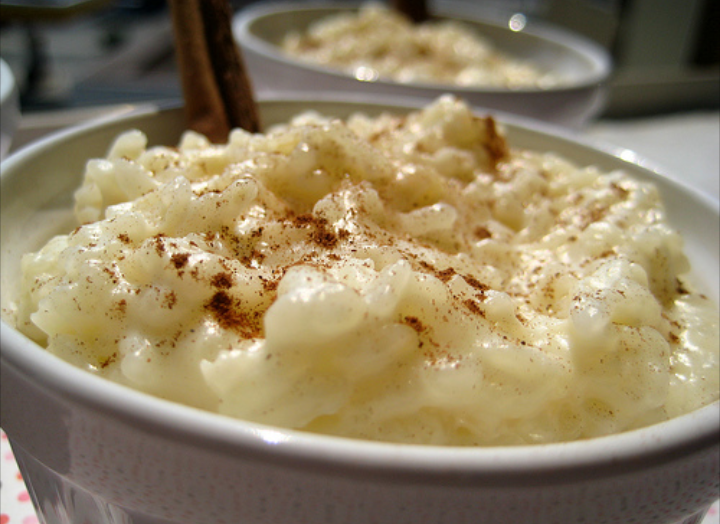 Rice pudding
🇮🇳 India and 4 moreSweetened rice cooked in milk, found in many forms worldwide
Sweet or dessert, Breakfast, Lunch
Rice pudding
🇮🇳 India and 4 moreSweetened rice cooked in milk, found in many forms worldwide
Sweet or dessert, Breakfast, Lunch