
Namagashi
In its own language: 生菓子
Moist, artfully shaped Japanese sweets made with bean paste or fruit jelly
Namagashi are traditional Japanese sweets, part of the wagashi family, known for their soft texture and detailed shapes inspired by nature. Made mainly from sweetened bean paste or fruit jellies, they are crafted to reflect the seasons and are usually served fresh with tea, especially around New Year.
- Shaped to reflect Japan's four seasons with motifs like flowers and leaves
- Made mainly from sweetened bean paste or fruit jelly
- Contains about 30% more water than other wagashi
- Traditionally eaten for good luck at New Year's
- Rarely uses additives, focusing on natural ingredients
What is Namagashi?
Namagashi are a type of Japanese sweet, belonging to the broader category of wagashi. They are known for their soft, moist texture and are often shaped to resemble flowers, leaves, or other natural motifs that reflect the changing seasons. The main ingredients are sweetened bean paste or fruit jellies, sometimes using kanten, a jelly made from seaweed. Namagashi are typically made with natural ingredients and contain more water than other wagashi, making them especially delicate and fresh.
Where does Namagashi come from?
Namagashi come from Japan and are part of the long tradition of wagashi, Japanese sweets that are often served with tea. Their detailed shapes and seasonal designs reflect Japanese appreciation for nature and the passage of time. Unlike some other wagashi, namagashi are made to be eaten fresh and are moister, with about 30% more water than drier types like higashi. They are especially associated with New Year's celebrations, where they are enjoyed for good luck.
How is Namagashi made?
To make namagashi, artisans use natural ingredients such as sweetened bean paste or fruit jelly, sometimes adding kanten for texture. The mixture is shaped by hand or with molds into intricate designs that echo seasonal themes, such as cherry blossoms in spring or maple leaves in autumn. Additives are rarely used, and the sweets are crafted to be eaten soon after they are made, preserving their soft and moist quality.
How and when is Namagashi eaten?
Namagashi are usually enjoyed with tea, often as part of a tea ceremony or during special occasions. They are served fresh, sometimes as a snack or during afternoon tea. On New Year's, namagashi are eaten for good luck. Their delicate appearance and subtle sweetness make them a highlight of Japanese hospitality, often presented to guests or enjoyed during seasonal festivals.
Kinds of Namagashi
There are different types of namagashi, including han namagashi, which is half-cooked and less moist than the standard version. The shapes and motifs can vary widely depending on the season or the occasion. While the basic ingredients remain similar, the colors, designs, and fillings may change to reflect local tastes or seasonal ingredients.
What Namagashi means
Namagashi hold a special place in Japanese culture, especially in connection with tea ceremonies and seasonal celebrations. Their detailed designs and use of natural motifs are a reflection of Japanese aesthetics and respect for nature. Eating namagashi at New Year's is a tradition for good luck, and their artistry is often admired as much as their taste.
Questions people ask about Namagashi
What is namagashi made of?
Namagashi is made mainly from sweetened bean paste or fruit jelly, sometimes using kanten, a seaweed-based gelatin. It is crafted with natural ingredients and contains more water than many other Japanese sweets.
Where does namagashi come from?
Namagashi originates from Japan and is part of the traditional wagashi family of Japanese sweets. It is closely tied to Japanese tea culture and seasonal celebrations.
How is namagashi different from other wagashi?
Namagashi is much moister than other wagashi, containing about 30% more water. It is also freshly made and often features detailed, seasonal designs, unlike drier types such as higashi.
When is namagashi usually eaten?
Namagashi is commonly served with tea, especially during tea ceremonies or as a snack. It is also traditionally eaten at New Year's for good luck.
Are there different types of namagashi?
Yes, variations exist, such as han namagashi, which is half-cooked and less moist. The shapes and motifs also change to reflect the seasons or special occasions.
Good reading and sources
The facts on this page come from the Wikipedia article "Namagashi", written by its contributors and used under the CC BY-SA 4.0 licence, and from its Wikidata record (CC0). Thali rewrote the text in its own words, with AI assistance, and compares every page with the article to make sure no passage is copied. It may be reused under the same CC BY-SA 4.0 licence with a link back.
It may contain mistakes, and it is not dietary or allergy advice: recipes differ from cook to cook. If something is wrong, tell us. Last refreshed 2026-10-03.
More from Japan
All the food of Japan Ice cream
🇺🇸 United States and 5 moreA frozen dessert made from sweetened, flavoured milk or cream
Sweet or dessert, Snacks
Ice cream
🇺🇸 United States and 5 moreA frozen dessert made from sweetened, flavoured milk or cream
Sweet or dessert, Snacks
 KabochaVeganカボチャ
🇯🇵 Japan and 5 moreA sweet, dense winter squash with edible skin, used in Japanese and Asian cooking
Main dish, Lunch, Dinner
KabochaVeganカボチャ
🇯🇵 Japan and 5 moreA sweet, dense winter squash with edible skin, used in Japanese and Asian cooking
Main dish, Lunch, Dinner
 Cheesecake
🇬🇷 Greece and 5 moreA chilled dessert of sweetened soft cheese on a crumb or pastry base
Sweet or dessert, Snacks
Cheesecake
🇬🇷 Greece and 5 moreA chilled dessert of sweetened soft cheese on a crumb or pastry base
Sweet or dessert, Snacks
 MochiVegan餅
🇯🇵 JapanJapanese rice cake made by pounding glutinous rice into a sticky, chewy mass
Sweet or dessert
MochiVegan餅
🇯🇵 JapanJapanese rice cake made by pounding glutinous rice into a sticky, chewy mass
Sweet or dessert
Its cousins elsewhere
All sweets and desserts Hot chocolate
🇲🇽 Mexico and 5 moreA warm drink made from chocolate or cocoa, milk or water, and sugar
Drink, Breakfast, Snacks
Hot chocolate
🇲🇽 Mexico and 5 moreA warm drink made from chocolate or cocoa, milk or water, and sugar
Drink, Breakfast, Snacks
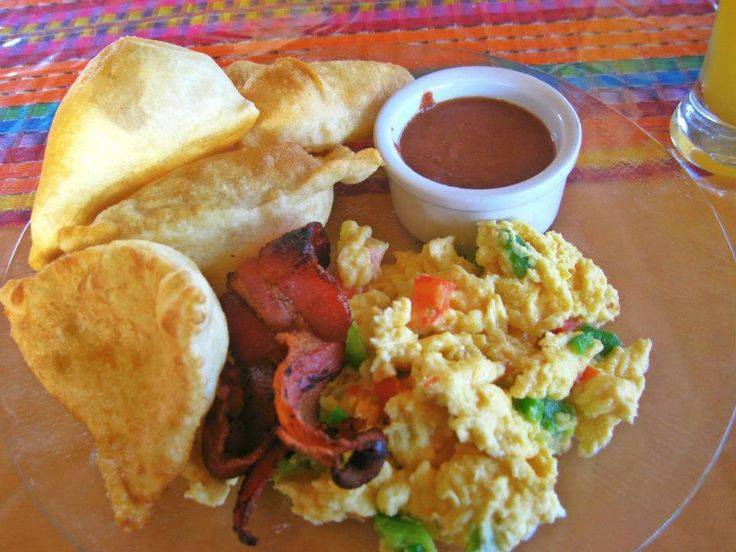 Fry jackVegetarian
🇧🇿 BelizeDeep-fried breakfast dough from Belize, served plain or with sweet or savoury toppings
Bread, Breakfast
Fry jackVegetarian
🇧🇿 BelizeDeep-fried breakfast dough from Belize, served plain or with sweet or savoury toppings
Bread, Breakfast
 SimaVegan
🇫🇮 FinlandFinnish sparkling lemon drink, lightly fermented and sweet
Drink, Snacks
SimaVegan
🇫🇮 FinlandFinnish sparkling lemon drink, lightly fermented and sweet
Drink, Snacks
 Churrochurros
🇪🇸 Spain and 5 moreRidged, deep-fried dough sticks often eaten hot with chocolate or coffee
Sweet or dessert, Breakfast, Snacks
Churrochurros
🇪🇸 Spain and 5 moreRidged, deep-fried dough sticks often eaten hot with chocolate or coffee
Sweet or dessert, Breakfast, Snacks