
Orecchiette
Small ear-shaped pasta from Apulia, Italy, made by hand from durum wheat flour and water
Orecchiette is a handmade pasta from Apulia in southern Italy, shaped like little domes with a rough surface. It is made from durum wheat flour, water, and salt, and is rarely made with eggs. Orecchiette is often paired with vegetable-based sauces or served with meats, and is a staple of Apulian home cooking.
- Orecchiette means 'little ears' in Italian, describing its shape
- Traditionally made by hand in Apulia, especially Bari
- Main ingredients are durum wheat flour, water, and salt
- Often served with rapini, garlic, anchovies, and olive oil
- Variations include larger, ribbed versions called 'priest's ears'
What is Orecchiette?
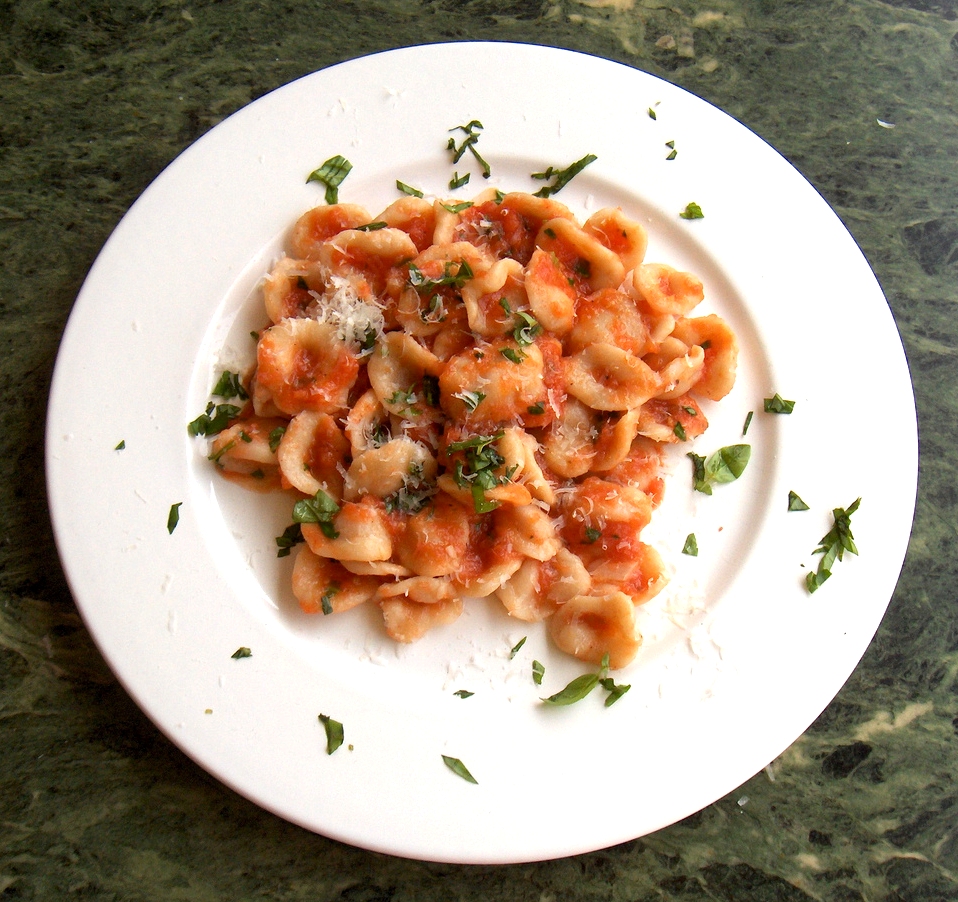
Orecchiette are small pasta pieces shaped like tiny ears, each about an inch wide. Their centers are thinner than the edges, and the outside is textured to help sauces cling. The dough is made from durum wheat flour, water, and salt, giving the pasta a firm bite. The shape is formed by pressing and shaping the dough by hand, resulting in a concave form that holds thick or chunky sauces well. Orecchiette is a familiar sight in Apulian kitchens and markets.
Where does Orecchiette come from?
Orecchiette has roots in Apulia, a region in southern Italy, and has been made there since at least the Middle Ages. Written records from the 16th century mention the pasta in Bari. Some believe it originated locally, while others suggest it may have been inspired by a similar pasta from southern France, possibly brought to Apulia during the Angevin rule in the 13th century. The debate over its exact beginnings continues among historians.
How is Orecchiette made?
To make orecchiette, dough is mixed from durum wheat flour, water, and salt, then rolled into thin ropes. These ropes are sliced into small pieces, which are shaped by pressing and dragging each one with a knife or finger on a board. The pieces are then turned over the thumb to create their signature ear-like curve. The process is mostly done by hand, especially in traditional settings, resulting in a rustic, uneven texture.

How and when is Orecchiette eaten?
Orecchiette is usually served at lunch or dinner, often as a main course. In Apulia, it is most famously paired with rapini (turnip tops), garlic, anchovies, chili, and olive oil, sometimes finished with a local cheese called cacioricotta. When rapini is out of season, broccoli or cauliflower may be used instead. Other common sauces include tomato-based preparations, sometimes with small meatballs or ricotta. In Bari, it is common to see women selling freshly made orecchiette from tables outside their homes.
Kinds of Orecchiette
In Cisternino, a town in Apulia, orecchiette are made larger and have deep grooves, earning them the nickname 'priest's ears.' These are often served on special occasions with rabbit ragù. Related pastas like cavatelli, strascinati, and cencioni are shaped using a similar dragging technique but are generally larger and not always curved. Each region puts its own stamp on the size and texture of the pasta.
What Orecchiette means
Orecchiette is a symbol of Apulian food culture and is closely linked to the image of women making pasta by hand in Bari's old town. The sight of homemade orecchiette sold from doorways has become iconic, attracting visitors and representing southern Italian tradition. Recent years have seen legal disputes over the sale of handmade versus factory-made orecchiette, highlighting its importance to local identity and economy.
Questions people ask about Orecchiette
What is orecchiette made of?
Orecchiette is made from durum wheat flour, water, and salt. Eggs are rarely used in the dough, keeping it vegan and giving the pasta a firm texture.
Where does orecchiette come from?
Orecchiette originates from Apulia, a region in southern Italy. It has been made there for centuries and is especially associated with the city of Bari.
How is orecchiette shaped?
Small pieces of dough are pressed and dragged with a knife or finger, then turned over the thumb to create a concave, ear-like shape. This is usually done by hand.
What sauces go well with orecchiette?
Orecchiette is often served with rapini (turnip tops), garlic, anchovies, chili, and olive oil. Tomato-based sauces, sometimes with meatballs or ricotta, are also common.
Are there regional variations of orecchiette?
Yes, in places like Cisternino, larger and more deeply ribbed versions are made, known as 'priest's ears.' Other related shapes include cavatelli and strascinati.
Good reading and sources
The facts on this page come from the Wikipedia article "Orecchiette", written by its contributors and used under the CC BY-SA 4.0 licence, and from its Wikidata record (CC0). Thali rewrote the text in its own words, with AI assistance, and compares every page with the article to make sure no passage is copied. It may be reused under the same CC BY-SA 4.0 licence with a link back.
It may contain mistakes, and it is not dietary or allergy advice: recipes differ from cook to cook. If something is wrong, tell us. Last refreshed 2026-10-03.
More from Italy
All the food of Italy Pizza
🇮🇹 Italy and 4 moreFlatbread topped with tomato, cheese and baked at high heat
Main dish, Lunch, Dinner
Pizza
🇮🇹 Italy and 4 moreFlatbread topped with tomato, cheese and baked at high heat
Main dish, Lunch, Dinner
 Pasta
🇮🇹 Italy and 1 moreUnleavened dough shaped and cooked, a staple of Italian cuisine
Main dish, Lunch, Dinner
Pasta
🇮🇹 Italy and 1 moreUnleavened dough shaped and cooked, a staple of Italian cuisine
Main dish, Lunch, Dinner
 SpaghettiVegan
🇮🇹 Italy and 2 moreLong, thin pasta strands made from durum wheat and water
Noodle or pasta dish, Lunch, Dinner
SpaghettiVegan
🇮🇹 Italy and 2 moreLong, thin pasta strands made from durum wheat and water
Noodle or pasta dish, Lunch, Dinner
 Lasagnalasagne
🇮🇹 ItalyBaked layers of pasta sheets, sauce, cheese and fillings from Italy
Main dish, Lunch, Dinner
Lasagnalasagne
🇮🇹 ItalyBaked layers of pasta sheets, sauce, cheese and fillings from Italy
Main dish, Lunch, Dinner
Its cousins elsewhere
All noodles and pasta Udonうどん / 饂飩
🇯🇵 Japan and 4 moreThick wheat noodles served hot or cold in Japanese cooking
Noodle or pasta dish, Lunch, Dinner
Udonうどん / 饂飩
🇯🇵 Japan and 4 moreThick wheat noodles served hot or cold in Japanese cooking
Noodle or pasta dish, Lunch, Dinner
 SōmenVegetarian素麺
🇯🇵 Japan and 2 moreVery thin wheat noodles served cold or in soup across East Asia
Noodle or pasta dish, Lunch, Dinner
SōmenVegetarian素麺
🇯🇵 Japan and 2 moreVery thin wheat noodles served cold or in soup across East Asia
Noodle or pasta dish, Lunch, Dinner
 SobaVegan蕎麦
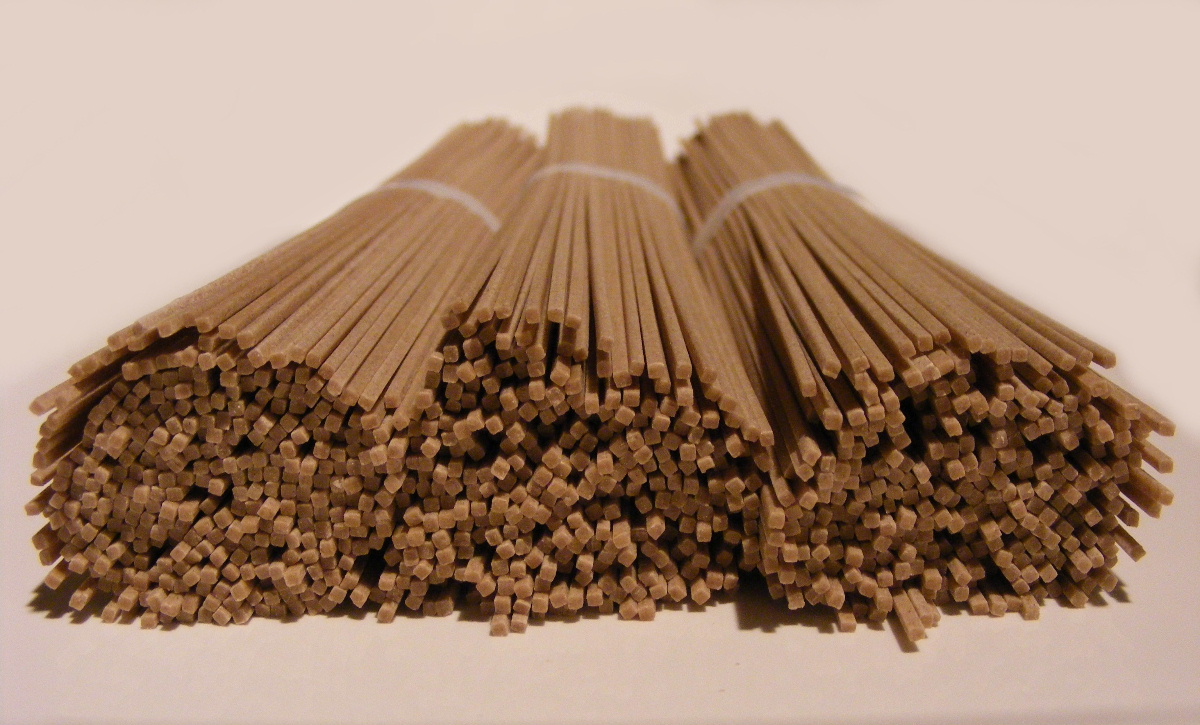
🇯🇵 Japan and 1 moreJapanese noodles made from buckwheat, served hot in broth or cold with dipping sauce
Noodle or pasta dish, Lunch, Dinner
SobaVegan蕎麦
🇯🇵 Japan and 1 moreJapanese noodles made from buckwheat, served hot in broth or cold with dipping sauce
Noodle or pasta dish, Lunch, Dinner
 YakisobaMeat焼きそば
🇯🇵 JapanJapanese stir-fried noodles with pork, vegetables, and savory sauce
Noodle or pasta dish, Lunch, Dinner
YakisobaMeat焼きそば
🇯🇵 JapanJapanese stir-fried noodles with pork, vegetables, and savory sauce
Noodle or pasta dish, Lunch, Dinner