
Sōmen
In its own language: 素麺
Very thin wheat noodles served cold or in soup across East Asia
Sōmen are slender wheat noodles, less than 1.3 mm thick, common in Japan, Korea, and China. In Japan, they are often chilled and dipped in a light sauce, especially in summer, while in Korea they appear in both hot and cold soups. The noodles are made by stretching wheat dough with oil and air-drying the strands.
- Sōmen noodles are less than 1.3 mm thick
- First records date to Tang dynasty China
- Japanese sōmen is hand-stretched with oil and air-dried
- Often served cold in summer with dipping sauce
- Known as somyeon in Korea and sùmiàn in China
What is Sōmen?
Sōmen are extremely thin noodles made from wheat flour, with each strand measuring under 1.3 mm in diameter. The dough is stretched by hand, often with a little vegetable oil to keep it supple, and then air-dried. Sōmen are pale and delicate, with a smooth, light texture. In Japan, they are usually served cold with a dipping sauce in summer, while in Korea and China, they can appear in both hot and cold soups or stir-fried dishes. Their mild taste lets the flavors of broths and sauces stand out.
Where does Sōmen come from?
Sōmen’s roots go back to China’s Tang dynasty, when a knotted pastry called sakubei was brought to Japan by the Imperial Court in Nara. Over time, this pastry evolved into thin noodles, first in the Miwa district of Nara during the Heian period. The development of stone mills and hand-stretching techniques using oil in the Kamakura period allowed for finer wheat flour and thinner noodles. By the late 14th century, the term 'sōmen' appeared in Japanese records, marking its place as a distinct food.
How is Sōmen made?
To make sōmen, wheat flour is mixed with water, salt, and a small amount of vegetable oil. The dough is kneaded until smooth, then stretched repeatedly by hand into long, thin strands. The oil keeps the dough from drying out and allows it to be pulled into very fine noodles. These strands are then air-dried, which helps preserve them for later use. The resulting noodles are packaged in bundles and can be stored for months.


How and when is Sōmen eaten?
In Japan, sōmen is a popular summer meal, served chilled with ice and a dipping sauce called tsuyu, which may be flavored with fish flakes, ginger, or scallions. In winter, the noodles are sometimes served hot in broth, known as nyūmen. In Korea, somyeon is used in both hot and cold noodle soups, and in China, similar noodles appear in soups or stir-fries. Sōmen can also be served in creative ways, such as flowing down bamboo flumes for diners to catch with chopsticks.
Kinds of Sōmen
Japanese sōmen is usually cold, but nyūmen is a warm soup version. In Korea, somyeon is found in dishes like janchi-guksu (banquet noodles) and kong-guksu (cold soybean soup). Chinese guàmiàn includes types like lóngxū (long, thin strands) and fèngwei (flat, broad noodles). Okinawan soomin is often stir-fried. Sōmen salad, with vinegar-based sauce and various garnishes, is another way to enjoy these noodles.
What Sōmen means
Sōmen is closely tied to summer in Japan, where eating chilled noodles helps people stay cool. The playful custom of nagashi-sōmen, catching noodles flowing in water, is a seasonal treat. In Korea, somyeon is served at celebrations and as a side for drinks. The noodle’s long history links it to both imperial cuisine and everyday meals, and its many forms reflect regional tastes across East Asia.
Questions people ask about Sōmen
What is sōmen made of?
Sōmen is made from wheat flour, water, salt, and a small amount of vegetable oil. The dough is stretched into very thin strands and air-dried.
Where does sōmen come from?
Sōmen originated in China during the Tang dynasty and was later developed in Japan, especially in the Nara region. It is now common across East Asia.
How is sōmen usually eaten?
In Japan, sōmen is often served cold with a dipping sauce, especially in summer. In Korea, it is used in both hot and cold soups, and in China, similar noodles are served in soups or stir-fries.
What makes sōmen different from other noodles?
Sōmen is much thinner than most noodles, measuring less than 1.3 mm in diameter. It is hand-stretched and air-dried, giving it a delicate texture.
Are there different types of sōmen?
Yes. In Japan, nyūmen is a warm soup version. In China, guàmiàn includes variants like lóngxū (long, thin) and fèngwei (flat, broad). In Korea, somyeon is used in various noodle dishes.
Good reading and sources
The facts on this page come from the Wikipedia article "Sōmen", written by its contributors and used under the CC BY-SA 4.0 licence, and from its Wikidata record (CC0). Thali rewrote the text in its own words, with AI assistance, and compares every page with the article to make sure no passage is copied. It may be reused under the same CC BY-SA 4.0 licence with a link back.
It may contain mistakes, and it is not dietary or allergy advice: recipes differ from cook to cook. If something is wrong, tell us. Last refreshed 2026-10-03.
More from Japan
All the food of Japan RamenMeatラーメン
🇯🇵 Japan and 1 moreJapanese noodle soup with Chinese-style wheat noodles in hot broth
Soup, Lunch, Dinner
RamenMeatラーメン
🇯🇵 Japan and 1 moreJapanese noodle soup with Chinese-style wheat noodles in hot broth
Soup, Lunch, Dinner
 Udonうどん / 饂飩
🇯🇵 Japan and 4 moreThick wheat noodles served hot or cold in Japanese cooking
Noodle or pasta dish, Lunch, Dinner
Udonうどん / 饂飩
🇯🇵 Japan and 4 moreThick wheat noodles served hot or cold in Japanese cooking
Noodle or pasta dish, Lunch, Dinner
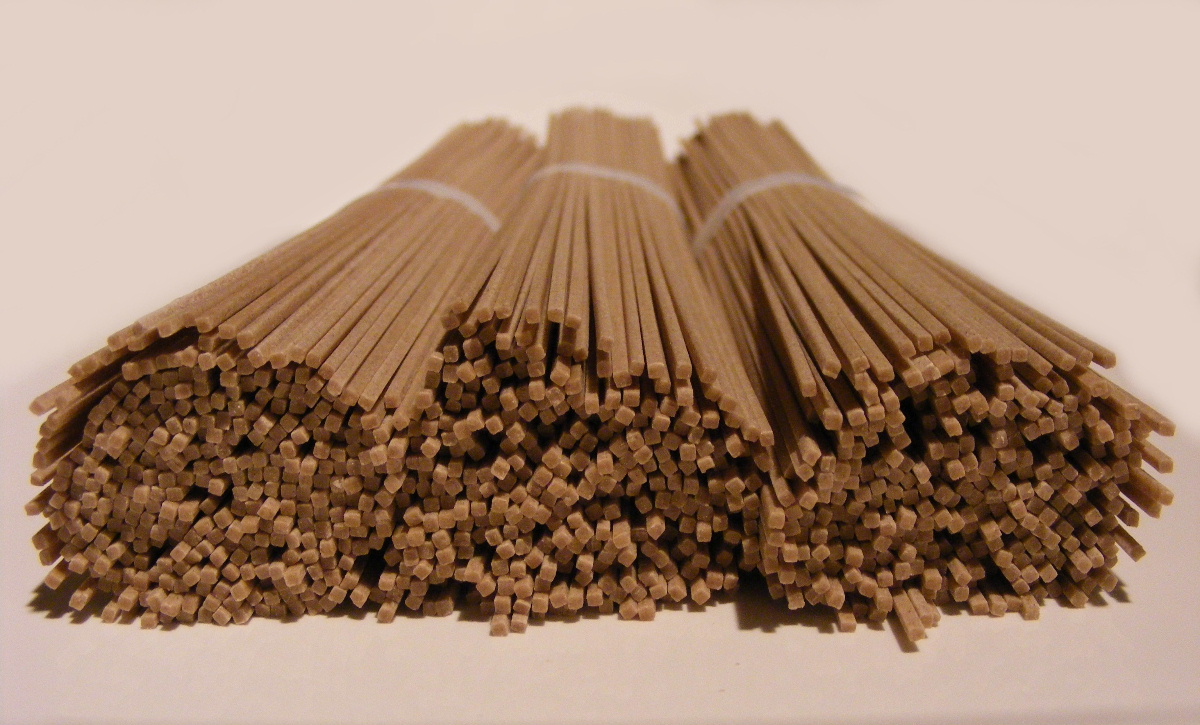 SobaVegan蕎麦
🇯🇵 Japan and 1 moreJapanese noodles made from buckwheat, served hot in broth or cold with dipping sauce
Noodle or pasta dish, Lunch, Dinner
SobaVegan蕎麦
🇯🇵 Japan and 1 moreJapanese noodles made from buckwheat, served hot in broth or cold with dipping sauce
Noodle or pasta dish, Lunch, Dinner
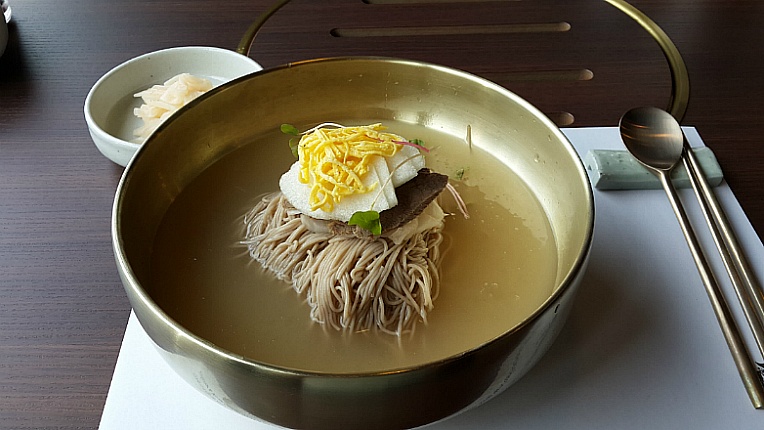 Naengmyeon냉면
🇰🇵 North Korea and 3 moreLong, chewy noodles served cold, often in a tangy broth or spicy sauce
Noodle or pasta dish, Lunch, Dinner
Naengmyeon냉면
🇰🇵 North Korea and 3 moreLong, chewy noodles served cold, often in a tangy broth or spicy sauce
Noodle or pasta dish, Lunch, Dinner
Its cousins elsewhere
All noodles and pasta Pasta
🇮🇹 Italy and 1 moreUnleavened dough shaped and cooked, a staple of Italian cuisine
Main dish, Lunch, Dinner
Pasta
🇮🇹 Italy and 1 moreUnleavened dough shaped and cooked, a staple of Italian cuisine
Main dish, Lunch, Dinner
 SpätzleSpätzla
🇩🇪 Germany and 5 moreIrregular egg noodles from Swabia, served as a side or main dish
Main dish, Lunch, Dinner
SpätzleSpätzla
🇩🇪 Germany and 5 moreIrregular egg noodles from Swabia, served as a side or main dish
Main dish, Lunch, Dinner
 OrecchietteVegan
🇮🇹 ItalySmall ear-shaped pasta from Apulia, Italy, made by hand from durum wheat flour and water
Noodle or pasta dish, Lunch, Dinner
OrecchietteVegan
🇮🇹 ItalySmall ear-shaped pasta from Apulia, Italy, made by hand from durum wheat flour and water
Noodle or pasta dish, Lunch, Dinner
 SpaghettiVegan
🇮🇹 Italy and 2 moreLong, thin pasta strands made from durum wheat and water
Noodle or pasta dish, Lunch, Dinner
SpaghettiVegan
🇮🇹 Italy and 2 moreLong, thin pasta strands made from durum wheat and water
Noodle or pasta dish, Lunch, Dinner