
Pancit
A family of Filipino noodle dishes with many local styles and toppings
Pancit is a Filipino term for a wide range of noodle dishes, each with its own style, ingredients, and regional character. These dishes use various kinds of noodles, meats, seafood, and vegetables, often garnished with calamansi for a fresh citrus note. Pancit is enjoyed daily and at celebrations across the Philippines.
- Pancit covers many Filipino noodle dishes, each with its own style.
- Calamansi is often served on the side for a citrusy kick.
- Some versions use coconut, papaya, or seaweed instead of noodles.
- Pancit is a common dish at birthdays and festivals.
- There are instant noodle versions inspired by pancit.
What is Pancit?
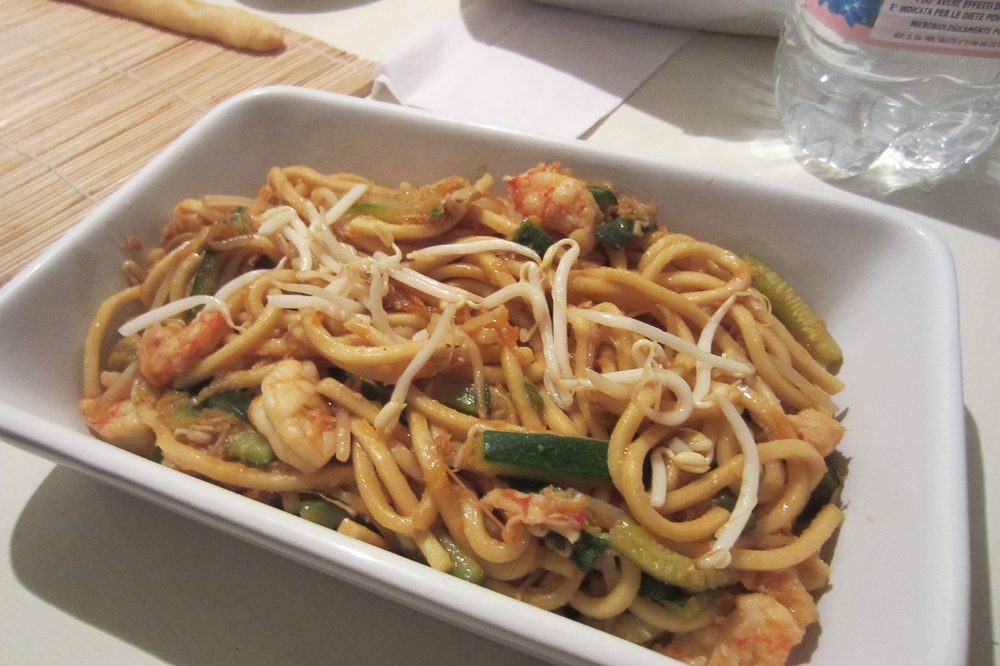
Pancit refers to a group of Filipino noodle dishes, each with its own recipe and local twist. The noodles can be made from rice, wheat, or even vegetables like coconut or papaya. Toppings and mix-ins range from pork, chicken, and seafood to a variety of vegetables. Pancit is often finished with a squeeze of calamansi, a small citrus fruit, which brings a tangy brightness. The look and taste of pancit can differ widely: some versions are dry and stir-fried, others are served in broth, and garnishes might include hard-boiled eggs, chicharon (crispy pork skin), or fried garlic.
Where does Pancit come from?
The word 'pancit' comes from Philippine Hokkien, reflecting the dish's Chinese roots. Over time, noodles became part of Filipino daily life, with Spanish and local influences shaping how they are cooked and served. Each region developed its own style, using what was available locally. Some versions even swap out noodles for strips of coconut, papaya, or seaweed, showing how the idea of pancit has grown beyond its original form.
How is Pancit made?
Making pancit usually starts with sautéing garlic and onions, then adding vegetables and a choice of meat or seafood. The noodles, which can be rice, egg, or wheat-based, are cooked together with the other ingredients. Seasonings might include soy sauce, fish sauce, or shrimp paste, and some recipes call for broth or coconut milk. Pancit is often topped with calamansi halves, fried garlic, or pork cracklings, and sometimes served with hard-boiled eggs or smoked fish flakes.



How and when is Pancit eaten?
Pancit is eaten across the Philippines at any time of day, whether as a main meal or a snack. It is common at family gatherings, festivals, and religious events, often because it can be made in large batches. Pancit is also a fixture at birthday parties, where the long noodles are thought to represent long life. It can be served on its own or with rice, bread, or rice cakes.
Kinds of Pancit
There are many types of pancit, each tied to a region or a particular way of cooking. Examples include pancit canton (egg noodles), pancit bihon (rice vermicelli), pancit palabok (with shrimp sauce and toppings), and pancit habhab (eaten from banana leaves). Some versions use unusual ingredients like seaweed, bamboo shoots, or coconut strips instead of noodles. Instant pancit is also widely available.
What Pancit means
Pancit holds a special place in Filipino culture, symbolizing celebration and togetherness. It is a staple at birthdays and other milestones, with the belief that eating long noodles brings long life. Pancit is also a comfort food and a daily staple, and many towns are known for their own unique style. Panciterias, or noodle shops, can be found throughout the country.
Questions people ask about Pancit
What is pancit made of?
Pancit dishes use various kinds of noodles, often with meat, seafood, and vegetables. Common seasonings include soy sauce, garlic, and onions, and calamansi is usually served on the side.
Where does pancit come from?
Pancit is from the Philippines. Its origins are linked to Chinese influence, but it has become a core part of Filipino cooking, with many local adaptations.
Are there different types of pancit?
Yes, there are many kinds, such as pancit canton, bihon, palabok, and habhab. Each uses different noodles, toppings, and cooking methods, and some even use coconut or seaweed instead of noodles.
When is pancit usually eaten?
Pancit is eaten for lunch, dinner, or as a snack. It is especially popular at gatherings, festivals, and birthday celebrations.
What makes pancit special at birthdays?
Long noodles in pancit are believed to symbolize long life, so the dish is often served at birthday parties in the Philippines.
Good reading and sources
The facts on this page come from the Wikipedia article "Pancit", written by its contributors and used under the CC BY-SA 4.0 licence, and from its Wikidata record (CC0). Thali rewrote the text in its own words, with AI assistance, and compares every page with the article to make sure no passage is copied. It may be reused under the same CC BY-SA 4.0 licence with a link back.
It may contain mistakes, and it is not dietary or allergy advice: recipes differ from cook to cook. If something is wrong, tell us. Last refreshed 2026-10-03.
More from the Philippines
All the food of the Philippines SpaghettiVegan
🇮🇹 Italy and 2 moreLong, thin pasta strands made from durum wheat and water
Noodle or pasta dish, Lunch, Dinner
SpaghettiVegan
🇮🇹 Italy and 2 moreLong, thin pasta strands made from durum wheat and water
Noodle or pasta dish, Lunch, Dinner
 Paella
🇪🇸 Spain and 1 moreRice cooked with meat, seafood or vegetables in a wide shallow pan from Valencia
Main dish, Lunch
Paella
🇪🇸 Spain and 1 moreRice cooked with meat, seafood or vegetables in a wide shallow pan from Valencia
Main dish, Lunch
 Rice pudding
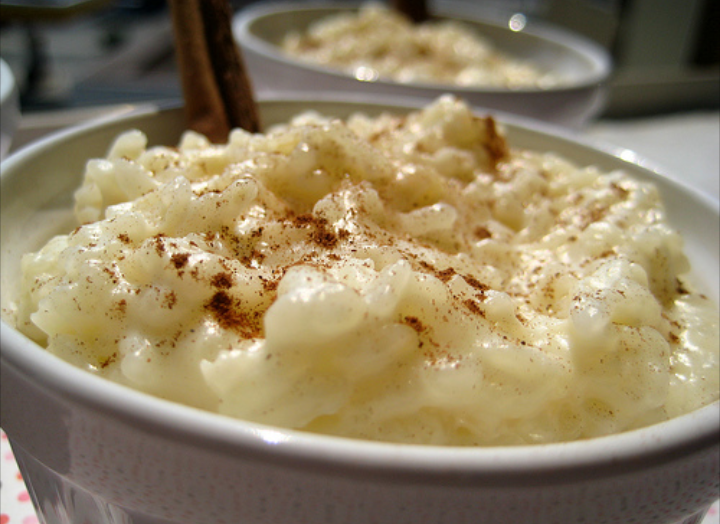
🇮🇳 India and 4 moreSweetened rice cooked in milk, found in many forms worldwide
Sweet or dessert, Breakfast, Lunch
Rice pudding
🇮🇳 India and 4 moreSweetened rice cooked in milk, found in many forms worldwide
Sweet or dessert, Breakfast, Lunch
 Oxtail stewMeat
🇮🇹 Italy and 4 moreStew made with oxtail, found in many world cuisines
Stew or curry, Lunch, Dinner
Oxtail stewMeat
🇮🇹 Italy and 4 moreStew made with oxtail, found in many world cuisines
Stew or curry, Lunch, Dinner
Its cousins elsewhere
All noodles and pasta FideuàFish or seafood
🇪🇸 SpainSeafood and noodle dish from the Valencian coast, cooked in a wide shallow pan
Main dish, Lunch, Dinner
FideuàFish or seafood
🇪🇸 SpainSeafood and noodle dish from the Valencian coast, cooked in a wide shallow pan
Main dish, Lunch, Dinner
 RechtaMeatرشتة
🇩🇿 Algeria and 1 moreAlgerian handmade noodles served with chicken and vegetables in a spiced sauce
Main dish, Lunch, Dinner
RechtaMeatرشتة
🇩🇿 Algeria and 1 moreAlgerian handmade noodles served with chicken and vegetables in a spiced sauce
Main dish, Lunch, Dinner
 KäsespätzleVegetarian
🇩🇪 Germany and 3 moreSoft egg noodles baked with cheese and topped with fried onions
Main dish, Lunch, Dinner
KäsespätzleVegetarian
🇩🇪 Germany and 3 moreSoft egg noodles baked with cheese and topped with fried onions
Main dish, Lunch, Dinner
 Cappelletti
🇮🇹 ItalyRing-shaped stuffed pasta from central Italy, often served in broth
Main dish, Lunch, Dinner
Cappelletti
🇮🇹 ItalyRing-shaped stuffed pasta from central Italy, often served in broth
Main dish, Lunch, Dinner