
Panjiri
Sweet roasted wheat flour with ghee, sugar and dry fruits, made for Hindu festivals
Panjiri is a sweet from India made by roasting wheat flour in ghee, then mixing in sugar, dried fruits, and spices. It is especially prepared for Hindu festivals like Krishna Janmashtami and often offered as prasad (a religious food offering). Variations use ingredients like coriander, edible gum, or foxnuts, depending on the region and occasion.
- Made by roasting wheat flour in ghee and mixing with sugar and dry fruits
- Specially prepared for Krishna Janmashtami and other Hindu festivals
- Has roots in Ayurvedic preparations called Panchajīraka
- Variations use coriander, edible gum, or foxnuts during fasting
- Common as prasad, a religious food offering
What is Panjiri?
Panjiri is a crumbly, sweet mixture made by roasting whole-wheat flour in ghee (clarified butter) until golden, then stirring in sugar, dried fruits like almonds and raisins, and spices such as cumin, coriander, dry ginger, and fennel. Some versions include herbal gum, edible gum, or coconut. The result is a fragrant, slightly coarse sweet that can be shaped into balls or served loose. Its taste is rich and nutty, with warm spice notes and the sweetness of sugar and dried fruit.
Where does Panjiri come from?
Panjiri comes from India and has roots in Ayurveda, where it evolved from a preparation called Panchajīraka. The name itself comes from Sanskrit, referring to a blend of five herbal ingredients. Traditionally, it is made across northern, central, and western India, especially for Hindu religious events. The Braj region in Uttar Pradesh is particularly known for its panjiri during Krishna Janmashtami. Over time, panjiri has become a common offering at many Hindu festivals and rituals.
How is Panjiri made?
To make panjiri, wheat flour is roasted in ghee until it turns aromatic and lightly browned. Once cooled, sugar, dried fruits, and spices like cumin, coriander, dry ginger, and fennel are mixed in. Some regional recipes swap wheat flour for coriander seed powder or add ingredients like edible gum or foxnuts, especially during fasting. The mixture can be served as is or pressed into balls (laddus).
How and when is Panjiri eaten?
Panjiri is most often eaten during Hindu festivals and religious ceremonies, where it is offered as prasad to deities and then shared among devotees. It is also prepared for fasting days, using grain-free ingredients when needed. In some regions, panjiri is served alongside other ritual foods, such as yogurt-based drinks. Outside of festivals, it can be eaten as a nourishing sweet snack.
Kinds of Panjiri
Different regions have their own versions of panjiri. In fasting times, coriander seed replaces wheat flour. Jammu's sund panjiri uses extra dry ginger and local dry fruits. Rajasthan's version includes edible gum and is often shaped into laddus. Mathura's panchamrit panjiri adds holy basil leaves and is served with a sweet yogurt drink. In Bihar, foxnuts are used for a special variety.
What Panjiri means
Panjiri holds a special place in Hindu religious life, especially as an offering (prasad) during Krishna Janmashtami and Satyanarayan Puja. In Braj, it is a key part of the celebration of Krishna's birth. It is also made for other festivals and rituals, marking auspicious occasions and family events. Its preparation and sharing are seen as acts of devotion and community.
When Panjiri is on the table
Questions people ask about Panjiri
What is panjiri made of?
Panjiri is mainly made from roasted whole-wheat flour, ghee, sugar, dried fruits, and spices like cumin, coriander, dry ginger, and fennel. Some versions include herbal gum or coconut.
Where does panjiri come from?
Panjiri comes from India and is especially popular in the northern, central, and western regions. It is closely tied to Hindu festivals and rituals.
When is panjiri eaten?
Panjiri is usually eaten during Hindu festivals and religious ceremonies, especially Krishna Janmashtami, and on fasting days. It is also offered as prasad in temples and at home.
Are there different types of panjiri?
Yes, there are many regional variations. Some use coriander seed powder instead of wheat flour for fasting, others add edible gum or foxnuts, and some versions are shaped into laddus.
Is panjiri vegetarian?
Yes, panjiri is vegetarian. It contains no meat or eggs and is often made with ingredients allowed during religious fasting.
Good reading and sources
The facts on this page come from the Wikipedia article "Panjiri", written by its contributors and used under the CC BY-SA 4.0 licence, and from its Wikidata record (CC0). Thali rewrote the text in its own words, with AI assistance, and compares every page with the article to make sure no passage is copied. It may be reused under the same CC BY-SA 4.0 licence with a link back.
It may contain mistakes, and it is not dietary or allergy advice: recipes differ from cook to cook. If something is wrong, tell us. Last refreshed 2026-10-03.
More from India
All the food of India Ice cream
🇺🇸 United States and 5 moreA frozen dessert made from sweetened, flavoured milk or cream
Sweet or dessert, Snacks
Halvaحَلَاوَة
🇮🇷 Iran and 5 moreDense sweet made from seeds, grains, or vegetables, found across Asia, Africa, and Europe
Sweet or dessert, Snacks, Tea time
Ice cream
🇺🇸 United States and 5 moreA frozen dessert made from sweetened, flavoured milk or cream
Sweet or dessert, Snacks
Halvaحَلَاوَة
🇮🇷 Iran and 5 moreDense sweet made from seeds, grains, or vegetables, found across Asia, Africa, and Europe
Sweet or dessert, Snacks, Tea time
 Candy
🇺🇸 United States and 5 moreSmall sweet treats made mainly from sugar or sweeteners
Sweet or dessert, Snacks
Candy
🇺🇸 United States and 5 moreSmall sweet treats made mainly from sugar or sweeteners
Sweet or dessert, Snacks
 French toast
🇫🇷 France and 5 moreBread soaked in egg and milk, pan-fried and served sweet or savoury
Main dish, Breakfast, Snacks
French toast
🇫🇷 France and 5 moreBread soaked in egg and milk, pan-fried and served sweet or savoury
Main dish, Breakfast, Snacks
Its cousins elsewhere
All sweets and desserts Christmas pudding
🇬🇧 United Kingdom and 4 moreSteamed or boiled sweet pudding with dried fruit, served at Christmas dinner
Sweet or dessert, Dinner
Christmas pudding
🇬🇧 United Kingdom and 4 moreSteamed or boiled sweet pudding with dried fruit, served at Christmas dinner
Sweet or dessert, Dinner
 StollenVegetarian
🇩🇪 Germany and 2 moreGerman fruit bread with dried fruit, nuts, spices and a sugar-dusted crust
Sweet or dessert, Tea time, Snacks
StollenVegetarian
🇩🇪 Germany and 2 moreGerman fruit bread with dried fruit, nuts, spices and a sugar-dusted crust
Sweet or dessert, Tea time, Snacks
 KutiaVegetarian
🇧🇾 Belarus and 5 moreSweet grain porridge with honey, poppy seeds and nuts for winter feasts
Sweet or dessert, Dinner
KutiaVegetarian
🇧🇾 Belarus and 5 moreSweet grain porridge with honey, poppy seeds and nuts for winter feasts
Sweet or dessert, Dinner
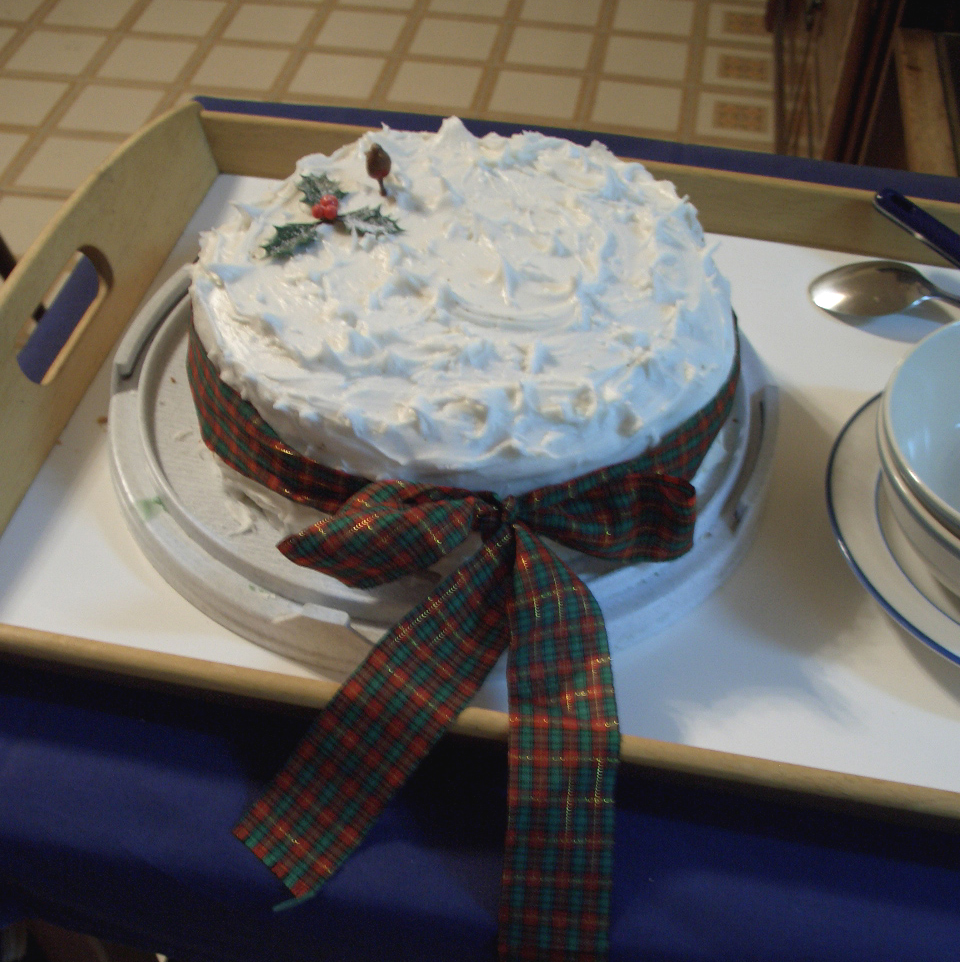 Christmas cake
🇬🇧 United Kingdom and 5 moreCakes served at Christmas, often rich with fruit, nuts or cream
Sweet or dessert, Tea time, Snacks
Christmas cake
🇬🇧 United Kingdom and 5 moreCakes served at Christmas, often rich with fruit, nuts or cream
Sweet or dessert, Tea time, Snacks