
Pasanda
Meat strips simmered in a creamy, spiced curry from the Indian subcontinent
Pasanda is a curry from the Indian subcontinent, first made for Mughal royalty. It features strips of meat marinated with yogurt and spices, then cooked gently in a sauce finished with cream. Today, it is enjoyed in India, Pakistan, and Bangladesh, and is a familiar dish in British Indian restaurants.
- Created for Mughal emperors with prime cuts of meat
- Meat is marinated, then simmered in a creamy, spiced sauce
- Common in India, Pakistan, Bangladesh, and UK Indian restaurants
- Vegetarian versions use paneer instead of meat
- In the UK, often made with coconut milk for extra mildness
What is Pasanda?
Pasanda is a curry where thin pieces of meat, often lamb, goat, or beef, are marinated and cooked in a rich, mild sauce. The sauce is built from yogurt, ground almonds, and a blend of spices such as cardamom, cinnamon, and chili. Cream is stirred in at the end, giving the dish a smooth, gentle texture. The finished curry is usually pale and creamy, with a subtle aroma from the spices and a soft, tender bite from the meat.
Where does Pasanda come from?
Pasanda traces its roots to the Mughal courts, where it was made with choice cuts of meat for nobility. The name comes from an Urdu word meaning 'favorite,' pointing to the prized meat used. Its preparation style may have even older roots, as similar methods appear in a Sanskrit text from the 12th century. Over time, pasanda spread through the Indian subcontinent and adapted to local tastes.
How is Pasanda made?
To prepare pasanda, slices of meat are flattened and marinated with yogurt and spices. Almonds are softened in milk and ground to a paste, which is cooked with onions and more spices. The marinated meat is added and simmered until tender. Cream is mixed in at the end to create a velvety sauce. In Pakistan, beef is common, while chicken or paneer can be used for other versions.

How and when is Pasanda eaten?
Pasanda is served hot, most often as a main course for lunch or dinner. It is typically eaten with rice or flatbreads, such as naan or roti, which help soak up the mild, creamy sauce. The dish is enjoyed both at home and in restaurants, and has become a familiar choice in British Indian dining. It is not tied to any specific festival or religious event.
Kinds of Pasanda
While lamb or goat are traditional, beef is preferred in Pakistan, and chicken or paneer are sometimes used for lighter or vegetarian versions. In Awadhi cuisine, pasanda may appear as kebabs rather than a curry. In the UK, the dish is often made milder, with extra cream or coconut milk, and is a standard option in Indian restaurants there.
What Pasanda means
Pasanda is linked to the refined cooking of the Mughal era and is seen as a dish of special quality. Its name and style reflect a history of royal kitchens and prized ingredients. Today, it is a popular everyday curry in several countries and has found a place in the British Indian restaurant scene, where it is known for its gentle flavors.
Questions people ask about Pasanda
What is pasanda made of?
Pasanda is made with thin strips of meat, usually lamb, goat, or beef, marinated in yogurt and spices, then cooked in a sauce with ground almonds, milk, and cream.
Where does pasanda come from?
Pasanda comes from the Indian subcontinent and was first prepared for the Mughal court. It is now common in India, Pakistan, Bangladesh, and British Indian restaurants.
Is pasanda always made with meat?
Traditionally, pasanda uses meat, but vegetarian versions with paneer (Indian cheese) are also made.
How spicy is pasanda?
Pasanda is known for its mild flavor, with cream and ground almonds balancing the spices.
How is pasanda usually served?
It is served hot, often with rice or flatbreads like naan or roti, as a main dish for lunch or dinner.
Good reading and sources
- Biryani: Ek KhojHindustan Times, Article
- BBC Radio 4 - Radio 4 in Four - From balti to bhuna: the ultimate guide to curryBBC, Article
The facts on this page come from the Wikipedia article "Pasanda", written by its contributors and used under the CC BY-SA 4.0 licence, and from its Wikidata record (CC0). Thali rewrote the text in its own words, with AI assistance, and compares every page with the article to make sure no passage is copied. It may be reused under the same CC BY-SA 4.0 licence with a link back.
It may contain mistakes, and it is not dietary or allergy advice: recipes differ from cook to cook. If something is wrong, tell us. Last refreshed 2026-10-03.
More from India
All the food of India Kebabكَبَاب
🇹🇷 Turkey and 5 moreGrilled or roasted meat, often on skewers, found across the Middle East and beyond
Main dish, Lunch, Dinner
Kebabكَبَاب
🇹🇷 Turkey and 5 moreGrilled or roasted meat, often on skewers, found across the Middle East and beyond
Main dish, Lunch, Dinner
 Biryani
🇮🇳 India and 5 moreRice and spiced meat or vegetables layered and cooked together
Main dish, Lunch, Dinner
Biryani
🇮🇳 India and 5 moreRice and spiced meat or vegetables layered and cooked together
Main dish, Lunch, Dinner
 French toast
🇫🇷 France and 5 moreBread soaked in egg and milk, pan-fried and served sweet or savoury
Main dish, Breakfast, Snacks
French toast
🇫🇷 France and 5 moreBread soaked in egg and milk, pan-fried and served sweet or savoury
Main dish, Breakfast, Snacks
 Fish and chipsFish or seafood
🇬🇧 United Kingdom and 8 moreBattered fried fish served hot with thick-cut chips
Main dish, Lunch, Dinner
Fish and chipsFish or seafood
🇬🇧 United Kingdom and 8 moreBattered fried fish served hot with thick-cut chips
Main dish, Lunch, Dinner
Its cousins elsewhere
All main dishes Chicken tikka masalaMeat
🇬🇧 United Kingdom and 4 moreRoasted marinated chicken in a creamy, spiced tomato-based sauce
Main dish, Lunch, Dinner
Chicken tikka masalaMeat
🇬🇧 United Kingdom and 4 moreRoasted marinated chicken in a creamy, spiced tomato-based sauce
Main dish, Lunch, Dinner
 PelauMeat
🇹🇹 Trinidad and Tobago and 1 moreA one-pot rice and meat dish from the Caribbean, darkened with caramelised sugar
Main dish, Lunch, Dinner
Blood sausageMeat
🇫🇷 France and 5 moreA sausage made with animal blood, fillers and spices, cooked or dried until firm
Main dish, Lunch, Dinner
PelauMeat
🇹🇹 Trinidad and Tobago and 1 moreA one-pot rice and meat dish from the Caribbean, darkened with caramelised sugar
Main dish, Lunch, Dinner
Blood sausageMeat
🇫🇷 France and 5 moreA sausage made with animal blood, fillers and spices, cooked or dried until firm
Main dish, Lunch, Dinner
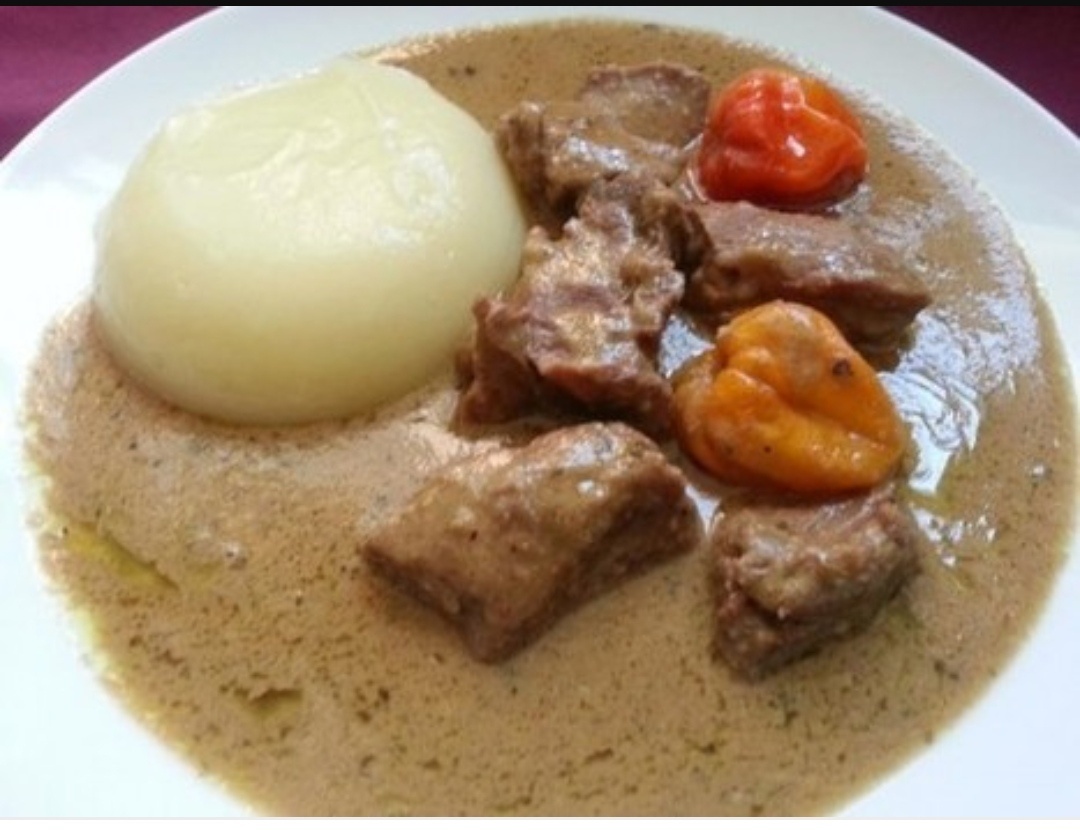 Peanut stew
🇸🇳 Senegal and 5 moreA rich West African stew of meat and vegetables in a spiced peanut sauce
Stew or curry, Lunch, Dinner
Peanut stew
🇸🇳 Senegal and 5 moreA rich West African stew of meat and vegetables in a spiced peanut sauce
Stew or curry, Lunch, Dinner