
Pickled cucumber
Cucumbers preserved in brine or vinegar, enjoyed worldwide in many styles
Pickled cucumbers are small cucumbers preserved in brine or vinegar, sometimes with added spices or sugar. They are popular in the United States, Europe, and beyond, eaten as snacks, sides, or condiments. Varieties include sour, sweet, and spiced pickles, with local traditions shaping their flavor and use.
- Pickled cucumbers can be sour, sweet, or spicy depending on the method
- Kosher dill pickles are a New York tradition with garlic and dill
- Bread-and-butter pickles are sweet and popular in the US Midwest
- Hungarian leavened pickles ferment with bread in the summer sun
- Pickles were a valued food for US soldiers in World War II
What is Pickled cucumber?
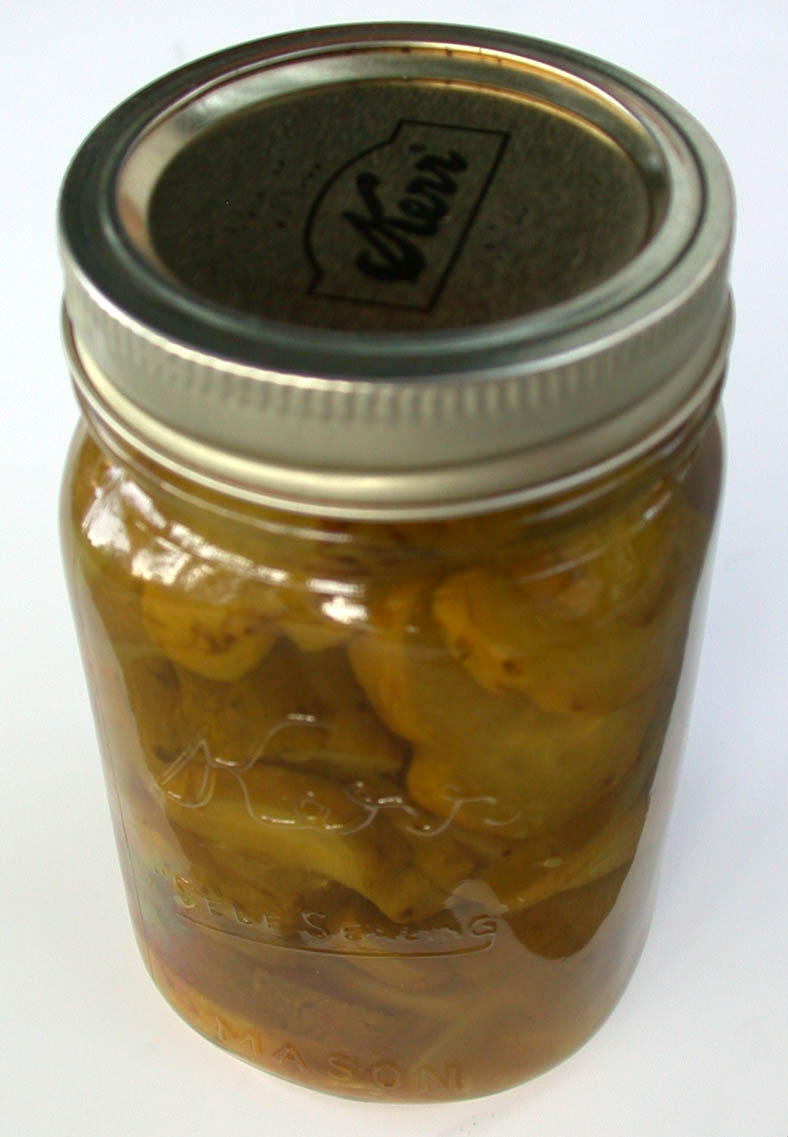
Pickled cucumbers are small cucumbers that have been preserved in a salty brine or vinegar solution. Sometimes sugar and spices like dill, garlic, or mustard seed are added. The result can be sour, sweet, or spicy, depending on the method and region. They range in size from tiny cornichons to larger gherkins, and may be crisp or soft. The taste varies from sharp and tangy to sweet, with a distinct aroma from the herbs and spices used. Pickled cucumbers are often green, sometimes with bumpy skin, and can be served whole, sliced, or speared.
Where does Pickled cucumber come from?
Pickled cucumbers have ancient roots, with claims of their creation as early as 2030 BC in Mesopotamia using cucumbers brought from India. Archaeological evidence suggests that pickling was practiced in Mesopotamia around 2400 BC. The tradition spread widely, with references to their health benefits in ancient Egypt, where Cleopatra reportedly valued them. In the United States, pickles became important during World War II, when a large share of production was set aside for soldiers. The word 'pickle' comes from Dutch, reflecting the food's long journey across cultures.
How is Pickled cucumber made?
To make pickled cucumbers, fresh cucumbers are placed in a container with brine (salt water) or vinegar, sometimes with added spices like dill, garlic, and mustard seed. For sour pickles, natural fermentation is encouraged by lactic acid bacteria, often without vinegar. Sweet pickles, such as bread-and-butter pickles, use a vinegar and sugar solution. Some types, like Hungarian leavened pickles, use bread to start fermentation. The cucumbers are left to soak for days or weeks, developing flavor and texture. Some methods use lime or calcium chloride to keep the pickles crisp.


How and when is Pickled cucumber eaten?
Pickled cucumbers are eaten in many ways. In the United States, they are served as spears with sandwiches or burgers, chopped into relish, or deep-fried. In Europe, they are a common side dish or snack, and in Russia and Ukraine, they are used in soups like rassolnik. In England, large pickled gherkins may be served with fish and chips. They can be eaten alone, as part of mixed pickles, or as an ingredient in salads and meat dishes. At festivals or fairs, pickles may be sold on sticks.
Kinds of Pickled cucumber
There are many regional styles. Kosher dill pickles from New York are garlicky and sour, while bread-and-butter pickles from the US Midwest are sweet and tangy. In Hungary, summer pickles are fermented with bread. Polish and German pickles are often brined without vinegar and can be more or less sour depending on fermentation time. French cornichons are tiny, tart, and flavored with tarragon. In the southern US, Kool-Aid pickles are made by soaking pickles in sweetened drink mix, turning them bright pink.
What Pickled cucumber means
Pickled cucumbers have been seen as both an everyday food and a delicacy. In Victorian England, serving pickles signaled wealth. In the US, they are a staple at picnics and diners, and have been part of military rations. The food is tied to immigrant traditions, especially among Jewish communities in New York. Pickles are sometimes served at festivals, and their probiotic content is now of interest to nutrition researchers. The many names and styles reflect their global reach and local pride.
Questions people ask about Pickled cucumber
What are pickled cucumbers made of?
They are made from small cucumbers preserved in a solution of brine (salt water) or vinegar, often with added spices such as dill, garlic, and mustard seed. Some recipes include sugar for sweetness.
Where do pickled cucumbers come from?
Pickled cucumbers have ancient origins, with early evidence in Mesopotamia and India. They are now popular worldwide, especially in the United States, Europe, and Russia.
What is the difference between a pickle and a gherkin?
In the United States and Canada, 'pickle' usually means a pickled cucumber. In Britain and other countries, 'gherkin' refers to a small pickled cucumber, often with a bumpy skin.
How are pickled cucumbers eaten?
They are eaten as snacks, sides, or condiments. In the US, they are served with sandwiches or deep-fried. In Europe, they are common with meals or in salads, and in Russia, they are used in soups.
Are pickled cucumbers healthy?
Sour pickled cucumbers are low in calories and provide vitamin K, but can be high in sodium. Sweet pickles have more sugar and calories. Some types are a source of probiotics due to fermentation.
Good reading and sources
The facts on this page come from the Wikipedia article "Pickled cucumber", written by its contributors and used under the CC BY-SA 4.0 licence, and from its Wikidata record (CC0). Thali rewrote the text in its own words, with AI assistance, and compares every page with the article to make sure no passage is copied. It may be reused under the same CC BY-SA 4.0 licence with a link back.
It may contain mistakes, and it is not dietary or allergy advice: recipes differ from cook to cook. If something is wrong, tell us. Last refreshed 2026-10-03.
More from the United States
All the food of the United States GuacamoleVegan
🇲🇽 Mexico and 1 moreAvocado mashed with lime, salt, and herbs, served as a dip or spread
Sauce, pickle or ferment, Snacks, Lunch
GuacamoleVegan
🇲🇽 Mexico and 1 moreAvocado mashed with lime, salt, and herbs, served as a dip or spread
Sauce, pickle or ferment, Snacks, Lunch
 Foie grasMeat
🇫🇷 France and 5 moreFattened duck or goose liver, a French delicacy served whole or as a spread
Main dish, Lunch, Dinner
Foie grasMeat
🇫🇷 France and 5 moreFattened duck or goose liver, a French delicacy served whole or as a spread
Main dish, Lunch, Dinner
 Caesar salad
🇲🇽 Mexico and 3 moreRomaine lettuce tossed with a creamy, tangy dressing and croutons
Salad or side, Lunch, Dinner
Caesar salad
🇲🇽 Mexico and 3 moreRomaine lettuce tossed with a creamy, tangy dressing and croutons
Salad or side, Lunch, Dinner
Its cousins elsewhere
All sauces, pickles and ferments Chutney
🇮🇳 India and 5 moreA spiced relish or sauce made from fruits, vegetables, herbs and spices
Sauce, pickle or ferment
Chutney
🇮🇳 India and 5 moreA spiced relish or sauce made from fruits, vegetables, herbs and spices
Sauce, pickle or ferment
 Laba garlicVegan
🇨🇳 ChinaGarlic cloves pickled in vinegar for the Laba Festival in northern China
Sauce, pickle or ferment
Laba garlicVegan
🇨🇳 ChinaGarlic cloves pickled in vinegar for the Laba Festival in northern China
Sauce, pickle or ferment
 TzatzikiVegetarianτζατζίκι
🇬🇷 Greece and 5 moreStrained yogurt mixed with cucumber, garlic and herbs, served cold as a dip or sauce
Sauce, pickle or ferment, Lunch, Dinner
TzatzikiVegetarianτζατζίκι
🇬🇷 Greece and 5 moreStrained yogurt mixed with cucumber, garlic and herbs, served cold as a dip or sauce
Sauce, pickle or ferment, Lunch, Dinner
 Sambal
🇮🇩 Indonesia and 5 moreA spicy Southeast Asian paste or sauce made mainly from ground chillies
Sauce, pickle or ferment
Sambal
🇮🇩 Indonesia and 5 moreA spicy Southeast Asian paste or sauce made mainly from ground chillies
Sauce, pickle or ferment