
Sambal
A spicy Southeast Asian paste or sauce made mainly from ground chillies
Sambal is a chilli-based paste or sauce from Indonesia and the wider Southeast Asian region. It is made by grinding chillies with aromatics like garlic, shallots and ginger, often with shrimp paste, salt, sugar and acidic ingredients such as lime juice or tamarind. Sambal can be served raw or cooked, used as a condiment, side dish, or flavouring base, and comes in many regional varieties.
- Sambal is made by grinding chillies with aromatics and seasonings
- It can be served raw or cooked, as a condiment or side
- Chilli peppers replaced long pepper in sambal after the 16th century
- There are many regional and household variations
- Sambal is widely used in Indonesia, Malaysia, and beyond
What is Sambal?
Sambal is a spicy paste or sauce, usually red, made by grinding chillies with ingredients such as garlic, shallots, ginger, and sometimes shrimp paste. The texture can be coarse or smooth, depending on how it is prepared. Its taste is hot and pungent, often balanced by salt, sugar, and sour notes from lime juice or tamarind. Sambal can be served raw or cooked, and is used as a condiment, a side dish, or a base for other dishes. The aroma is strong and can be savoury, tangy, or even slightly fermented, depending on the ingredients.
Where does Sambal come from?
Sambal comes from maritime Southeast Asia, especially Indonesia, where it developed as part of the region's spice traditions. Before chillies arrived from the Americas in the 16th century, local people used long pepper, ginger, and galangal to make spicy relishes. The introduction of chilli peppers by Portuguese and Spanish traders led to the creation of chilli-based sambals, which quickly became a staple. Each community adapted sambal to local tastes and ingredients, resulting in many regional varieties.
How is Sambal made?
To make sambal, fresh or dried chillies are ground or pounded with aromatics like garlic, shallots, and ginger, often using a stone mortar and pestle. Shrimp paste is sometimes added for depth, and the mixture is seasoned with salt, sugar, and sour agents like lime juice or tamarind. Sambal can be left raw or cooked, depending on the type. Some versions are made fresh just before eating, while others are prepared in bulk and stored. Commercially, sambal is also available in bottles or jars.


How and when is Sambal eaten?
Sambal is eaten across meals as a condiment or side, often with rice, noodles, fish, or vegetables. It can be served at room temperature, raw or cooked, and is found in homes, restaurants, and markets. Some people prefer freshly made sambal for its vibrant taste, while others use bottled versions for convenience. It is a common part of everyday meals in Indonesia, Malaysia, and neighbouring countries, and is also used as a flavouring base in cooking.
Kinds of Sambal
There are many types of sambal, shaped by local ingredients and preferences. Some include fermented durian, coconut, torch ginger stems, or sweet soy sauce. In Suriname, Madame Jeanette chillies are used, while in Sri Lanka, a similar condiment is called sambol. The texture, level of heat, and added flavours vary widely, with each region and even household having its own version.
What Sambal means
Sambal is a unifying element in Southeast Asian food culture, crossing ethnic and religious lines. Its adaptability and strong flavour have made it a daily staple, and it is found in both home cooking and restaurants. In places with Southeast Asian communities, such as the Netherlands and Suriname, sambal remains a marker of cultural identity and heritage.
Questions people ask about Sambal
What is sambal made of?
Sambal is made mainly from ground chilli peppers, often mixed with garlic, shallots, ginger, shrimp paste, salt, sugar, and sour ingredients like lime juice or tamarind.
Where does sambal come from?
Sambal originates from maritime Southeast Asia, especially Indonesia, and is also common in Malaysia, Brunei, Singapore, Timor-Leste, and other countries influenced by Southeast Asian cuisine.
How is sambal usually served?
Sambal can be served raw or cooked, at room temperature, as a condiment, side dish, or flavouring base. It is eaten with rice, noodles, fish, or vegetables.
Are there different types of sambal?
Yes, there are many regional and household varieties, with different chillies and added ingredients like coconut, fermented durian, or sweet soy sauce.
Is sambal always spicy?
Sambal is generally spicy because of the chillies, but the level of heat varies depending on the type of chilli and the recipe used.
Good reading and sources
The facts on this page come from the Wikipedia article "Sambal", written by its contributors and used under the CC BY-SA 4.0 licence, and from its Wikidata record (CC0). Thali rewrote the text in its own words, with AI assistance, and compares every page with the article to make sure no passage is copied. It may be reused under the same CC BY-SA 4.0 licence with a link back.
It may contain mistakes, and it is not dietary or allergy advice: recipes differ from cook to cook. If something is wrong, tell us. Last refreshed 2026-10-03.
More from Indonesia
All the food of Indonesia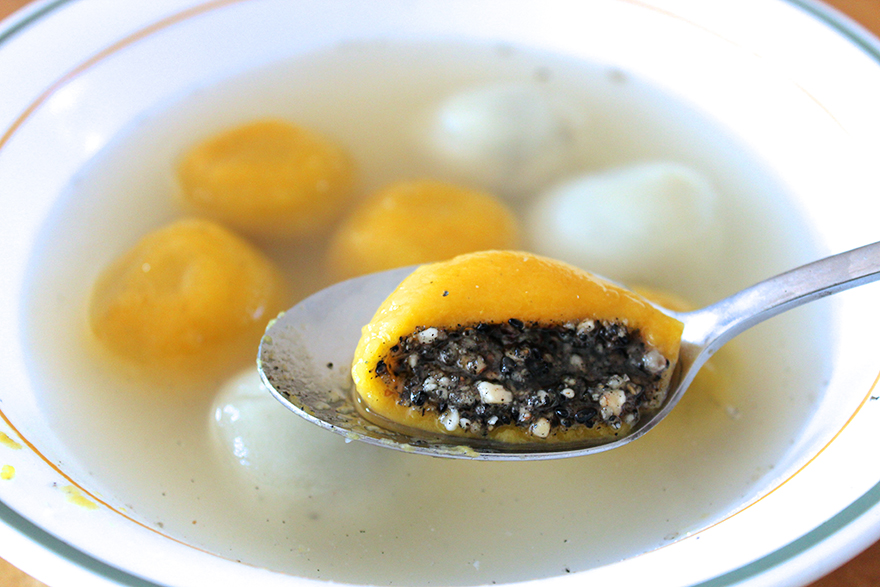 Tangyuan汤圆 / 湯圓
🇨🇳 China and 5 moreGlutinous rice balls, often filled, served in sweet or savory broth
Sweet or dessert, Snacks
Tangyuan汤圆 / 湯圓
🇨🇳 China and 5 moreGlutinous rice balls, often filled, served in sweet or savory broth
Sweet or dessert, Snacks
 Tofu skinVeganゆば
🇨🇳 China and 2 moreThin sheets formed from the surface of heated soy milk
Main dish
Tofu skinVeganゆば
🇨🇳 China and 2 moreThin sheets formed from the surface of heated soy milk
Main dish
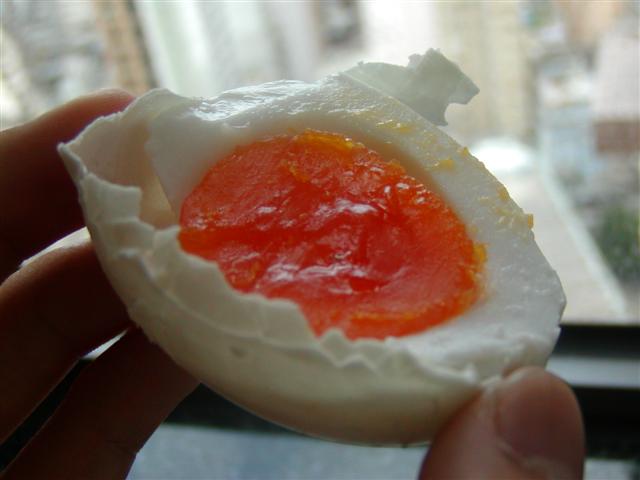 Salted duck egg
🇨🇳 China and 3 moreDuck eggs preserved in salt, prized for their rich, orange-red yolks
Sauce, pickle or ferment, Breakfast, Lunch
Salted duck egg
🇨🇳 China and 3 moreDuck eggs preserved in salt, prized for their rich, orange-red yolks
Sauce, pickle or ferment, Breakfast, Lunch
 CoffeeVegan
🇾🇪 Yemen and 5 moreA dark, bitter drink made by brewing roasted coffee beans
Drink, Breakfast, Snacks
CoffeeVegan
🇾🇪 Yemen and 5 moreA dark, bitter drink made by brewing roasted coffee beans
Drink, Breakfast, Snacks
Its cousins elsewhere
All sauces, pickles and ferments Pickled cucumberVegan
🇺🇸 United States and 5 moreCucumbers preserved in brine or vinegar, enjoyed worldwide in many styles
Sauce, pickle or ferment, Lunch, Dinner
Pickled cucumberVegan
🇺🇸 United States and 5 moreCucumbers preserved in brine or vinegar, enjoyed worldwide in many styles
Sauce, pickle or ferment, Lunch, Dinner
 TzatzikiVegetarianτζατζίκι
🇬🇷 Greece and 5 moreStrained yogurt mixed with cucumber, garlic and herbs, served cold as a dip or sauce
Sauce, pickle or ferment, Lunch, Dinner
TzatzikiVegetarianτζατζίκι
🇬🇷 Greece and 5 moreStrained yogurt mixed with cucumber, garlic and herbs, served cold as a dip or sauce
Sauce, pickle or ferment, Lunch, Dinner
 Corned beefMeat
🇮🇪 Ireland and 5 moreSalt-cured beef, often pink, eaten fresh or canned in many countries
Main dish, Breakfast, Lunch
Corned beefMeat
🇮🇪 Ireland and 5 moreSalt-cured beef, often pink, eaten fresh or canned in many countries
Main dish, Breakfast, Lunch
 GravlaxFish or seafood
🇸🇪 Sweden and 3 moreSalmon cured with salt, sugar and dill, sliced thin and served with mustard-dill sauce
Main dish, Lunch, Dinner
GravlaxFish or seafood
🇸🇪 Sweden and 3 moreSalmon cured with salt, sugar and dill, sliced thin and served with mustard-dill sauce
Main dish, Lunch, Dinner