
Foie gras
Fattened duck or goose liver, a French delicacy served whole or as a spread
Foie gras is a specialty food made from the liver of a duck or goose that has been fattened, usually by force-feeding. It is a prized dish in French cuisine, known for its rich and delicate taste, and is served whole or as mousse, parfait, or pâté. France is the main producer and consumer, and foie gras is especially popular during holidays and special occasions.
- Made from fattened duck or goose liver
- France produces about 75% of the world's foie gras
- Served whole or as mousse, parfait, or pâté
- Protected as part of France's cultural heritage
- Production is controversial and banned in some countries
What is Foie gras?
Foie gras is made from the liver of a duck or goose that has been specially fattened, most often by force-feeding. The result is a large, pale liver with a smooth, buttery texture and a rich, delicate flavor. It is sold whole or prepared into spreads such as mousse, parfait, or pâté. Sometimes it is served alongside other foods, like steak. The liver used is much larger than usual, up to ten times its normal size.
Where does Foie gras come from?
The practice of fattening birds for their livers began in ancient Egypt around 2500 BC. Greeks and Romans later adopted the method, with Romans feeding figs to geese to enlarge their livers, calling the result iecur ficatum. After the fall of Rome, the tradition continued in parts of Europe, especially among Jewish communities who used goose fat in cooking. In France, foie gras became a symbol of luxury in royal courts and spread to the middle class after the French Revolution. Today, regions like Dordogne and Alsace are especially known for their production.
How is Foie gras made?
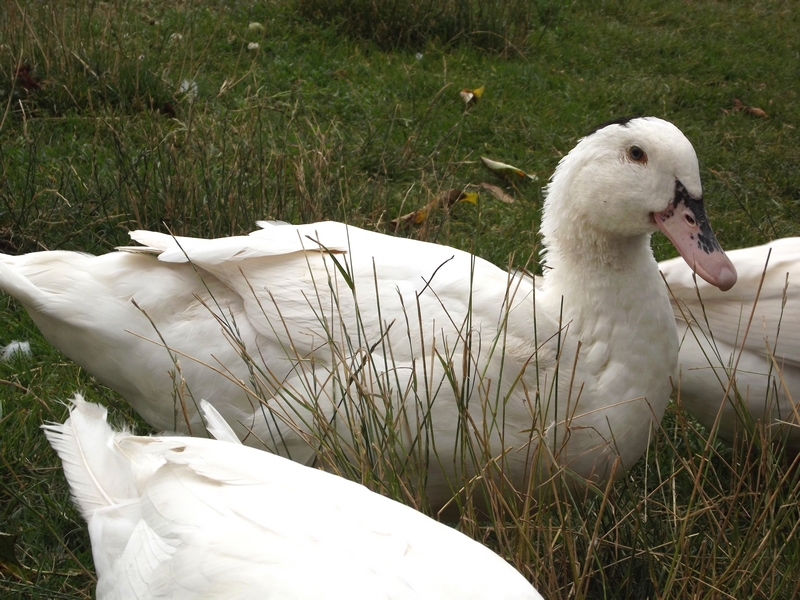
Foie gras is produced by fattening ducks or geese, usually through a process called gavage, where the birds are fed extra food through a tube to enlarge their livers. The liver is then harvested and can be sold whole or processed into spreads such as mousse or pâté. Most foie gras in France comes from ducks, though goose foie gras is also made. The European Union recognizes traditional methods from southwestern France with a protected geographical indication.



How and when is Foie gras eaten?
Foie gras is typically served as a starter or as part of a festive meal, especially during holidays, weddings, and special occasions in France. It can be enjoyed on its own, as a spread on bread, or as an accompaniment to dishes like steak. In some Jewish traditions, it was used as a substitute for other fats in cooking. The dish is a feature of French gastronomy and is often present at celebratory tables.
Kinds of Foie gras
Foie gras can be found as whole liver, mousse, parfait, or pâté. While France is best known for duck foie gras, goose liver is also traditional, especially in Alsace. Hungary and Bulgaria are major producers, often exporting raw foie gras to France for further processing. Regional festivals and local recipes highlight different ways of preparing and serving it. Some restaurants in Israel serve grilled goose foie gras.
What Foie gras means
Foie gras is deeply tied to French identity and is protected by law as part of the country's cultural and gastronomical heritage. It is celebrated at events such as the Fest’Oie in Sarlat and is a staple at holiday meals. The production method is controversial and banned in some places due to animal welfare concerns. Despite this, it remains a symbol of French culinary tradition and luxury.
Questions people ask about Foie gras
What is foie gras made of?
Foie gras is made from the liver of a duck or goose that has been specially fattened, usually by force-feeding.
Where does foie gras come from?
Foie gras is most closely associated with France, where it is a traditional delicacy, but its origins trace back to ancient Egypt.
How is foie gras served?
It can be served whole, or prepared as mousse, parfait, or pâté, and sometimes accompanies other dishes like steak.
Why is foie gras controversial?
The production involves force-feeding ducks or geese to enlarge their livers, raising animal welfare concerns and leading to bans in some places.
Is foie gras always made from duck?
Most foie gras today is made from duck liver, but goose liver is also used, especially in regions like Alsace.
Good reading and sources
- Encyclopaedia BritannicaArticle
- BBC NEWS | EuropeBBC, Article
- Foie gras: French farmers defendThe Guardian, Article
- France Places Temporary Ban on Foie Gras ProductionEater, Article
The facts on this page come from the Wikipedia article "Foie gras", written by its contributors and used under the CC BY-SA 4.0 licence, and from its Wikidata record (CC0). Thali rewrote the text in its own words, with AI assistance, and compares every page with the article to make sure no passage is copied. It may be reused under the same CC BY-SA 4.0 licence with a link back.
It may contain mistakes, and it is not dietary or allergy advice: recipes differ from cook to cook. If something is wrong, tell us. Last refreshed 2026-10-03.
More from France
All the food of France RatatouilleVegan
🇫🇷 FranceA Provençal stew of summer vegetables cooked in olive oil
Main dish, Lunch, Dinner
RatatouilleVegan
🇫🇷 FranceA Provençal stew of summer vegetables cooked in olive oil
Main dish, Lunch, Dinner
 SauerkrautVegan
🇩🇪 Germany and 5 moreFinely shredded cabbage preserved by natural fermentation in salt
Sauce, pickle or ferment, Lunch, Dinner
SauerkrautVegan
🇩🇪 Germany and 5 moreFinely shredded cabbage preserved by natural fermentation in salt
Sauce, pickle or ferment, Lunch, Dinner
 PestoVegetarian
🇮🇹 Italy and 2 moreA basil, pine nut and cheese paste from Genoa, used to dress pasta
Sauce, pickle or ferment
PestoVegetarian
🇮🇹 Italy and 2 moreA basil, pine nut and cheese paste from Genoa, used to dress pasta
Sauce, pickle or ferment
 French toast
🇫🇷 France and 5 moreBread soaked in egg and milk, pan-fried and served sweet or savoury
Main dish, Breakfast, Snacks
French toast
🇫🇷 France and 5 moreBread soaked in egg and milk, pan-fried and served sweet or savoury
Main dish, Breakfast, Snacks
Its cousins elsewhere
All main dishes Sushi寿司
🇯🇵 JapanVinegared rice paired with seafood, vegetables or other toppings
Main dish, Lunch, Dinner
Sushi寿司
🇯🇵 JapanVinegared rice paired with seafood, vegetables or other toppings
Main dish, Lunch, Dinner
 HamburgerMeat
🇺🇸 United States and 1 moreA hot ground meat patty in a sliced bun, often with salad and sauces
Main dish, Lunch, Dinner
HamburgerMeat
🇺🇸 United States and 1 moreA hot ground meat patty in a sliced bun, often with salad and sauces
Main dish, Lunch, Dinner
 Kebabكَبَاب
🇹🇷 Turkey and 5 moreGrilled or roasted meat, often on skewers, found across the Middle East and beyond
Main dish, Lunch, Dinner
TofuVegan豆腐
🇨🇳 China and 5 moreSoft white blocks made by curdling soy milk and pressing the curds
Main dish
Kebabكَبَاب
🇹🇷 Turkey and 5 moreGrilled or roasted meat, often on skewers, found across the Middle East and beyond
Main dish, Lunch, Dinner
TofuVegan豆腐
🇨🇳 China and 5 moreSoft white blocks made by curdling soy milk and pressing the curds
Main dish