
Pinakbet
Vegetables simmered with fermented fish sauce, a staple from the Ilocos region
Pinakbet is a Filipino main dish of mixed vegetables cooked with fermented fish sauce, known for its savory and earthy flavors. Originating from the Ilocos Region in northern Luzon, it features eggplant, bitter melon, okra, string beans, tomato, and sweet potato or squash, and is often served with rice. Modern versions may add pork or shrimp as a topping.
- Pinakbet is a staple dish from the Ilocos Region in the Philippines.
- It features a mix of local vegetables simmered with fermented fish sauce.
- The name means 'shriveled', describing the cooked vegetables' appearance.
- Modern versions may include pork, shrimp, or coconut milk.
- It is always served with rice to balance its strong flavors.
What is Pinakbet?
Pinakbet is a Filipino vegetable stew, usually made with eggplant, bitter melon, okra, string beans, tomato, and sweet potato or squash. Its defining taste comes from fermented fish sauce, which gives a salty, pungent, and savory depth. The vegetables are cut into chunks or left whole, then cooked together until they soften and shrink, soaking up the flavors. The dish is often garnished with crispy pork or fried fish, but the main focus is always the mix of local vegetables and the strong, earthy aroma of the sauce.
Where does Pinakbet come from?
Pinakbet comes from the Ilocos Region in northern Luzon, Philippines, where it is a staple among the Ilocano people. The name is rooted in the Ilocano word 'pinakebbet', meaning 'shriveled' or 'dried up', describing how the vegetables shrink as they cook. The dish reflects Ilocano tastes for salty and bitter flavors and was traditionally made with vegetables grown in home gardens. Over time, it has spread across the Philippines, with regional variations emerging.
How is Pinakbet made?
To make pinakbet, a small amount of water is boiled and mixed with fermented fish sauce to create a broth. Aromatics like garlic and onion are added, sometimes with dried shrimp or anchovies for extra flavor. The vegetables are then layered into the pot and gently tossed, not stirred, to keep them intact. They are cooked between steaming and shallow boiling until they become tender and shriveled. In some regions, the vegetables are sautéed first or coconut milk is added. Meat or seafood, if used, is usually added at the end as a garnish.



How and when is Pinakbet eaten?
Pinakbet is typically served hot as a main course, always with steamed rice to balance its strong, salty flavors. It is an everyday dish in Ilocano households, often eaten at lunch or dinner. While the original version is meatless, it is common to add crispy pork belly, fried fish, or shrimp as a topping. The dish is shared family-style, and its bold taste is meant to complement the plainness of rice.
Kinds of Pinakbet
There are several regional versions of pinakbet. Tagalog-style pinakbet, from southern Luzon, often includes squash and starts with sautéing the vegetables to mellow the aroma. Some modern recipes use shrimp paste instead of fish sauce, or add coconut milk for a richer flavor. Garnishes like pork crackling or fresh shrimp are sometimes added, depending on what is available. The choice of vegetables can also change based on local produce.
What Pinakbet means
Pinakbet is a symbol of Ilocano resourcefulness and connection to the land, using vegetables grown in backyard gardens. It is not tied to any specific festival or religious occasion, but is a daily staple in many Filipino homes. The dish highlights the Ilocano love for bold, salty, and bitter tastes, and its preparation and name reflect a focus on texture and cooking method. Pinakbet is also a point of regional pride and appears in lists of classic Filipino dishes.
Questions people ask about Pinakbet
What is pinakbet made of?
Pinakbet is made from a mix of vegetables such as eggplant, bitter melon, okra, string beans, tomato, and sweet potato or squash, cooked with fermented fish sauce for a salty, savory flavor.
Where does pinakbet come from?
Pinakbet originates from the Ilocos Region in northern Luzon, Philippines, and is a staple dish among the Ilocano people.
Is pinakbet vegetarian?
The traditional version is a vegetable dish without meat, but it uses fermented fish sauce. Some versions add pork, shrimp, or other seafood as a topping.
How is pinakbet usually served?
Pinakbet is served hot as a main dish, always with steamed rice. It can be topped with crispy pork, fried fish, or shrimp, but the main focus is the vegetables.
What does the name pinakbet mean?
The name comes from the Ilocano word for 'shriveled', referring to how the vegetables shrink and soften as they cook.
Good reading and sources
The facts on this page come from the Wikipedia article "Pinakbet", written by its contributors and used under the CC BY-SA 4.0 licence, and from its Wikidata record (CC0). Thali rewrote the text in its own words, with AI assistance, and compares every page with the article to make sure no passage is copied. It may be reused under the same CC BY-SA 4.0 licence with a link back.
It may contain mistakes, and it is not dietary or allergy advice: recipes differ from cook to cook. If something is wrong, tell us. Last refreshed 2026-10-03.
More from the Philippines
All the food of the Philippines SpaghettiVegan
🇮🇹 Italy and 2 moreLong, thin pasta strands made from durum wheat and water
Noodle or pasta dish, Lunch, Dinner
SpaghettiVegan
🇮🇹 Italy and 2 moreLong, thin pasta strands made from durum wheat and water
Noodle or pasta dish, Lunch, Dinner
 Paella
🇪🇸 Spain and 1 moreRice cooked with meat, seafood or vegetables in a wide shallow pan from Valencia
Main dish, Lunch
Paella
🇪🇸 Spain and 1 moreRice cooked with meat, seafood or vegetables in a wide shallow pan from Valencia
Main dish, Lunch
 Rice pudding
🇮🇳 India and 4 moreSweetened rice cooked in milk, found in many forms worldwide
Sweet or dessert, Breakfast, Lunch
Rice pudding
🇮🇳 India and 4 moreSweetened rice cooked in milk, found in many forms worldwide
Sweet or dessert, Breakfast, Lunch
 Oxtail stewMeat
🇮🇹 Italy and 4 moreStew made with oxtail, found in many world cuisines
Stew or curry, Lunch, Dinner
Oxtail stewMeat
🇮🇹 Italy and 4 moreStew made with oxtail, found in many world cuisines
Stew or curry, Lunch, Dinner
Its cousins elsewhere
All main dishes RatatouilleVegan
🇫🇷 FranceA Provençal stew of summer vegetables cooked in olive oil
Main dish, Lunch, Dinner
RatatouilleVegan
🇫🇷 FranceA Provençal stew of summer vegetables cooked in olive oil
Main dish, Lunch, Dinner
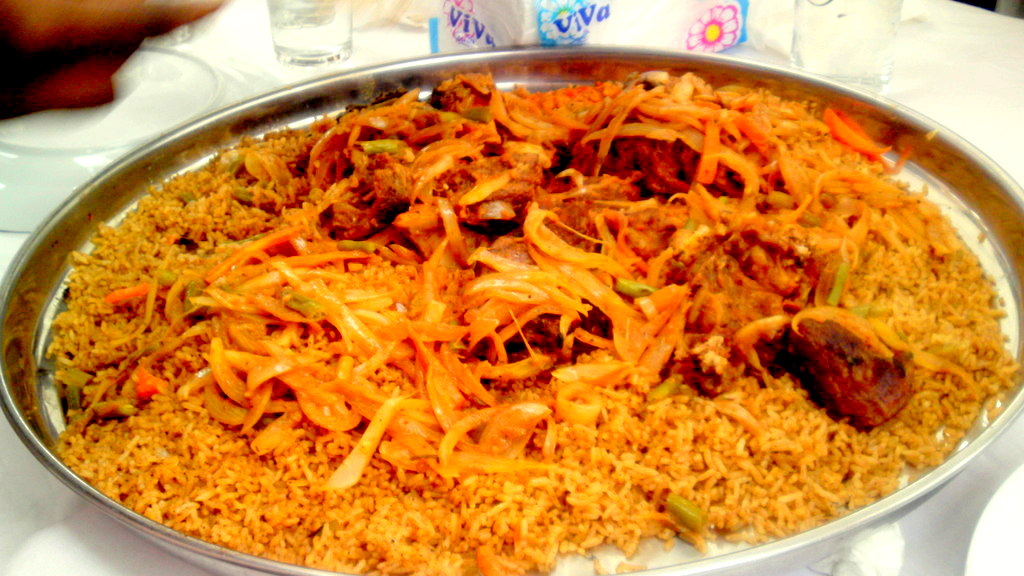 Riz grasMeat
🇧🇫 Burkina Faso and 4 moreWest African rice cooked with meat and vegetables, served hot
Main dish, Lunch, Dinner
Riz grasMeat
🇧🇫 Burkina Faso and 4 moreWest African rice cooked with meat and vegetables, served hot
Main dish, Lunch, Dinner
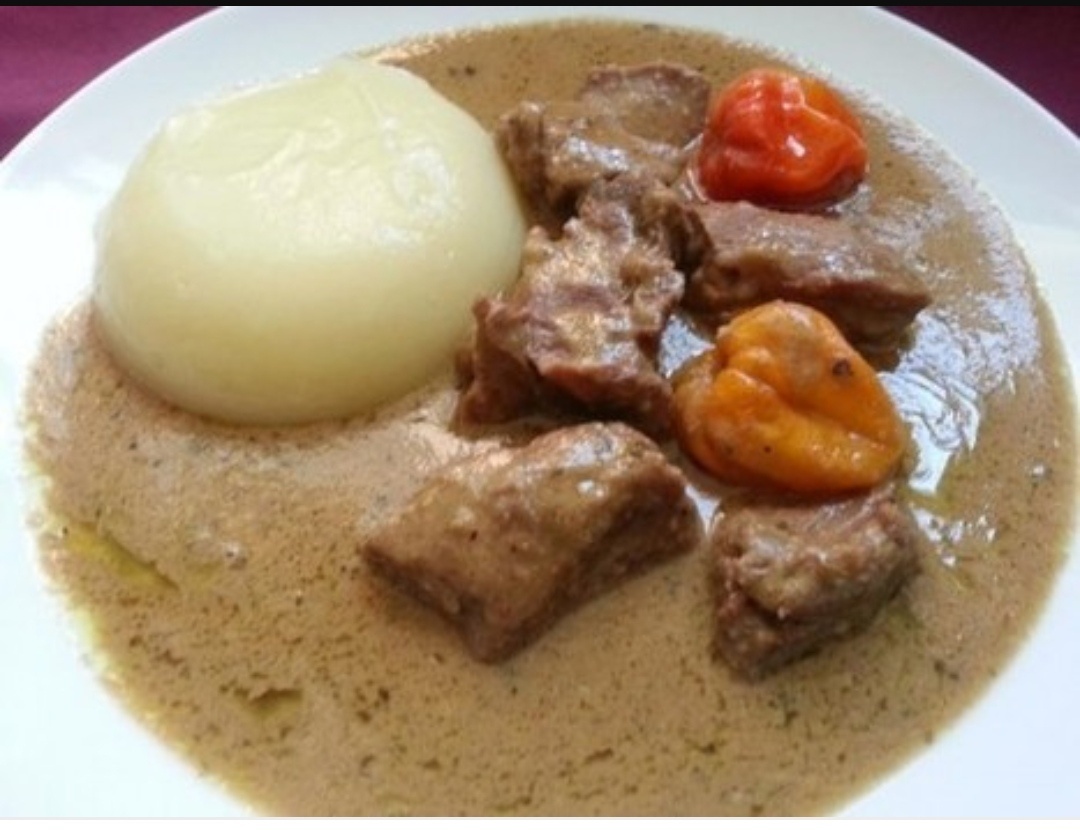 Peanut stew
🇸🇳 Senegal and 5 moreA rich West African stew of meat and vegetables in a spiced peanut sauce
Stew or curry, Lunch, Dinner
Peanut stew
🇸🇳 Senegal and 5 moreA rich West African stew of meat and vegetables in a spiced peanut sauce
Stew or curry, Lunch, Dinner
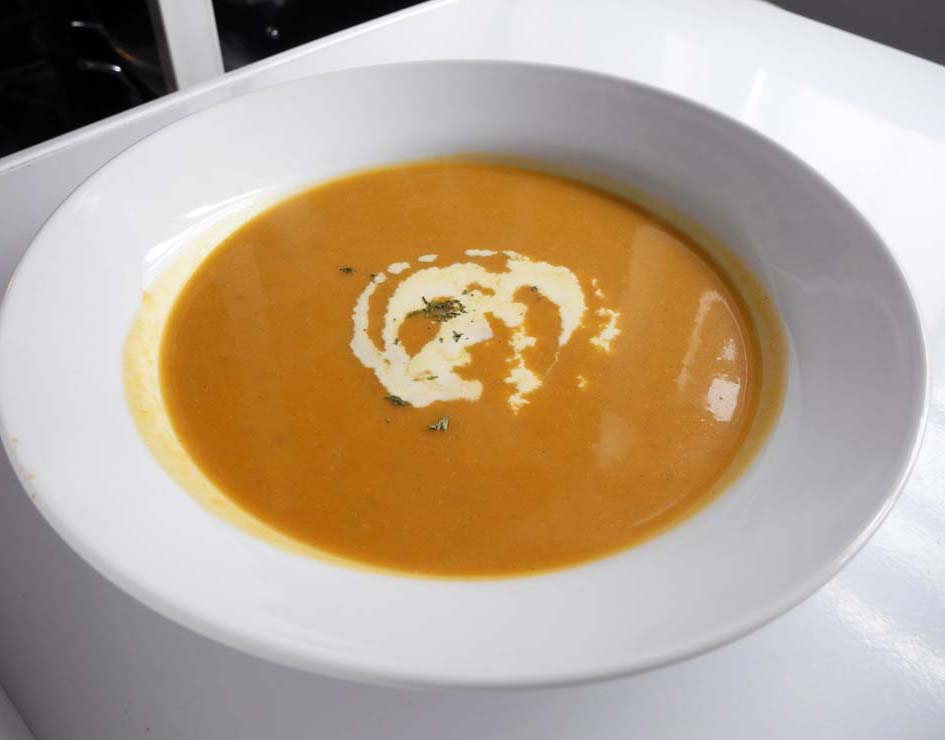 Peanut soup
🇬🇭 Ghana and 5 moreA rich, spicy soup made from peanuts, common in West African cooking
Soup, Lunch, Dinner
Peanut soup
🇬🇭 Ghana and 5 moreA rich, spicy soup made from peanuts, common in West African cooking
Soup, Lunch, Dinner