
Pissaladière
Thick flatbread from Nice topped with caramelised onions, olives and anchovies
Pissaladière is a flatbread from Nice in Provence, France, with a thick bread base covered in caramelised onions, black olives and anchovies or anchovy paste. The dish is often served warm or cold and is sometimes compared to pizza, though its dough is thicker and its toppings are distinct.
- Traditional to Nice and Provence in France
- Topped with caramelised onions, black olives and anchovies
- Dough is thicker than classic pizza
- Earliest recipe dates to 879 in Provence
What is Pissaladière?
Pissaladière is a flat, round or rectangular bread from Nice and the Provence region. Its base is made from a thick bread dough, more substantial than typical pizza. The topping is a generous layer of slowly cooked onions, often nearly pureed, along with whole black olives—usually the small, local caillette variety—and anchovies. Sometimes, a paste made from anchovies, called pissalat, is spread on the dough. The result is a savoury, aromatic bread with a soft, rich onion layer and the salty tang of anchovy.
Where does Pissaladière come from?
The name 'pissaladière' comes from the Latin word for fish, through the Niçard phrase for 'salted fish', which gave rise to 'pissalat', an anchovy paste. The earliest known recipe dates to 879 in Provence, showing that onions and anchovy paste have long been central to the dish. While it shares some similarities with pizza, especially in its flatbread form, pissaladière is rooted in the food traditions of Nice and the surrounding region.
How is Pissaladière made?
To make pissaladière, a thick bread dough is prepared and shaped into a flat base. Onions are cooked slowly until they are soft and caramelised, sometimes almost turning into a purée. This onion mixture is spread over the dough, then topped with black olives and anchovies, either whole or in the form of pissalat. Garlic is often added for extra flavour. The assembled bread is then baked until the crust is golden and the toppings are fragrant.
How and when is Pissaladière eaten?
Pissaladière is eaten warm or cold, making it a flexible choice for lunch, dinner, or as a snack. It is often cut into squares or wedges and served as a starter or as part of a casual meal. In Provence and Nice, it is a familiar sight at bakeries and markets, enjoyed both at home and on the go. It can be eaten on its own or with a simple salad.
Kinds of Pissaladière
In Menton, a town near Nice, the local version called pichade uses a tomato base along with the usual toppings. Another Menton specialty, tarte de Menton, leaves out the anchovies entirely. In Liguria, Italy, similar breads are known as piscialandrea or sardenaira, reflecting the shared food traditions of the region. Some modern takes may add cheese, but this is not traditional.
What Pissaladière means
Pissaladière is a staple of Provençal and Niçoise cooking, often compared to pizza but with a distinct identity. It is part of everyday food culture in Nice and the surrounding area, sold in bakeries and markets. Its long history and use of local ingredients like olives and anchovies make it a symbol of the region's culinary heritage.
Questions people ask about Pissaladière
What is pissaladière made of?
It is made from a thick bread dough topped with caramelised onions, black olives and anchovies or anchovy paste. Garlic is often included as well.
Where does pissaladière come from?
Pissaladière comes from Nice and the Provence region of France, with related versions found in Liguria, Italy.
How is pissaladière different from pizza?
The dough is thicker than classic pizza, and the toppings are mainly caramelised onions, black olives and anchovies, without tomato or cheese in the traditional version.
Is pissaladière served hot or cold?
It can be served either warm or cold, making it suitable for different meals and occasions.
Are there vegetarian versions of pissaladière?
A version from Menton called tarte de Menton leaves out the anchovies, but the traditional dish contains fish.
Good reading and sources
The facts on this page come from the Wikipedia article "Pissaladière", written by its contributors and used under the CC BY-SA 4.0 licence, and from its Wikidata record (CC0). Thali rewrote the text in its own words, with AI assistance, and compares every page with the article to make sure no passage is copied. It may be reused under the same CC BY-SA 4.0 licence with a link back.
It may contain mistakes, and it is not dietary or allergy advice: recipes differ from cook to cook. If something is wrong, tell us. Last refreshed 2026-10-03.
More from France
All the food of France RatatouilleVegan
🇫🇷 FranceA Provençal stew of summer vegetables cooked in olive oil
Main dish, Lunch, Dinner
RatatouilleVegan
🇫🇷 FranceA Provençal stew of summer vegetables cooked in olive oil
Main dish, Lunch, Dinner
 French toast
🇫🇷 France and 5 moreBread soaked in egg and milk, pan-fried and served sweet or savoury
Main dish, Breakfast, Snacks
Naanनान
🇮🇳 India and 5 moreLeavened flatbread baked in a tandoor or on a pan, soft and spotted with golden brown
Bread, Lunch, Dinner
French toast
🇫🇷 France and 5 moreBread soaked in egg and milk, pan-fried and served sweet or savoury
Main dish, Breakfast, Snacks
Naanनान
🇮🇳 India and 5 moreLeavened flatbread baked in a tandoor or on a pan, soft and spotted with golden brown
Bread, Lunch, Dinner
 PretzelVegetarian
🇩🇪 Germany and 4 moreA baked knot-shaped bread, often topped with salt or seeds
Bread, Snacks
PretzelVegetarian
🇩🇪 Germany and 4 moreA baked knot-shaped bread, often topped with salt or seeds
Bread, Snacks
Its cousins elsewhere
All main dishes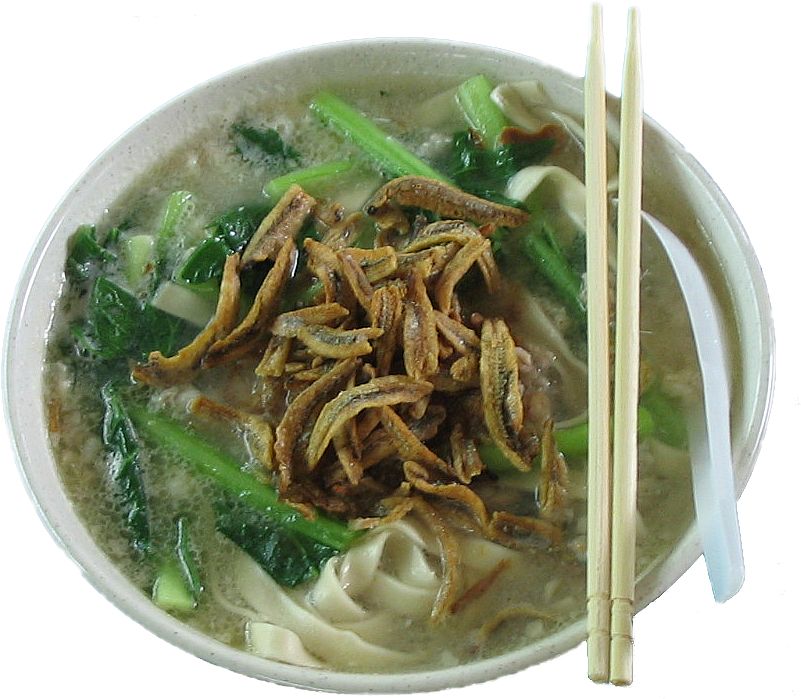 Banmian板麵
🇨🇳 China and 3 moreHandmade Chinese noodles in soup, often with anchovies, meat and leafy greens
Main dish, Lunch, Dinner
Banmian板麵
🇨🇳 China and 3 moreHandmade Chinese noodles in soup, often with anchovies, meat and leafy greens
Main dish, Lunch, Dinner
 RajmaVegetarian
🇮🇳 India and 2 moreKidney beans stewed with spices, often served with rice in North India and Nepal
Main dish, Lunch, Dinner
RajmaVegetarian
🇮🇳 India and 2 moreKidney beans stewed with spices, often served with rice in North India and Nepal
Main dish, Lunch, Dinner
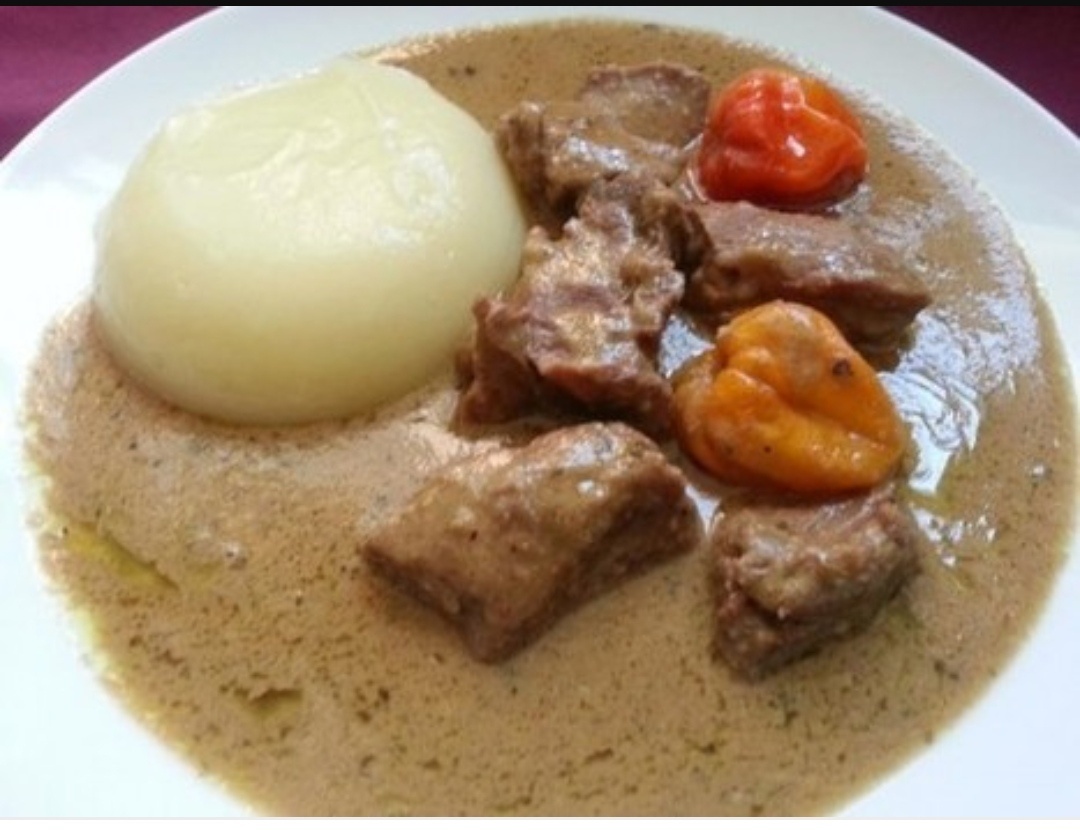 Peanut stew
🇸🇳 Senegal and 5 moreA rich West African stew of meat and vegetables in a spiced peanut sauce
Stew or curry, Lunch, Dinner
Peanut stew
🇸🇳 Senegal and 5 moreA rich West African stew of meat and vegetables in a spiced peanut sauce
Stew or curry, Lunch, Dinner
 ChunchulloMeat
🇦🇷 Argentina and 5 moreBraided and roasted small intestine, a grill favorite in Latin America
Main dish, Lunch, Dinner
ChunchulloMeat
🇦🇷 Argentina and 5 moreBraided and roasted small intestine, a grill favorite in Latin America
Main dish, Lunch, Dinner