
Puto
Steamed Filipino rice cake, often eaten plain or with savoury dishes
Puto is a Filipino steamed rice cake made from slightly fermented rice dough called galapong. It is enjoyed on its own or served as a side to savoury dishes, especially dinuguan. Puto comes in many forms, with both traditional and modern versions, and is a common breakfast or dessert in the Philippines.
- Made from fermented rice dough called galapong
- Traditionally steamed in banana leaf-lined baskets
- Served plain or topped with cheese, eggs, or coconut
- Often paired with dinuguan, a savoury pork blood stew
- Special variants like puto bumbong are eaten at Christmas
What is Puto?
Puto is a soft, moist rice cake from the Philippines, usually steamed in round shapes and sometimes lined or wrapped with banana leaf. The main ingredient is rice, which is soaked, fermented, and ground into a dough called galapong. The finished cake is slightly sweet, with a delicate aroma from the fermentation and, if used, the banana leaf. It is not sticky or crumbly, but has a fine, even texture. Puto is often topped with cheese, butter, eggs, meat, or coconut, and can be served plain or as a side to savoury dishes.
Where does Puto come from?
Puto traces its roots to the puttu rice cakes of southern India, likely brought to the Philippines through South Indian trade across Southeast Asia. The name and method spread through the Malay world, with similar cakes found in Singapore, Java, and Malaysia. Over time, the Filipino version developed its own identity, becoming a staple in local cuisine and spawning many regional and modern variants.
How is Puto made?
To make traditional puto, rice is soaked overnight to ferment slightly, sometimes with added yeast. The soaked rice is ground into galapong, a smooth rice batter. This batter is poured into a steamer lined with muslin or banana leaf and steamed until set. The cakes are sold as large rounds or sliced into smaller portions. Modern puto may use other flours or add flavours like ube, chocolate, or pandan. Toppings such as cheese, coconut, or eggs are common.


How and when is Puto eaten?
Puto is eaten at breakfast, as a snack, or as dessert. It is also served as a side to savoury dishes, most famously with dinuguan, a Filipino pork blood stew. Puto can be eaten warm, hot, or at room temperature, and is often shared at gatherings or sold as street food. During Christmas, special variants like puto bumbong are popular, often paired with hot chocolate or mangoes.
Kinds of Puto
There are many types of puto across the Philippines. Some, like puto bumbong, use purple glutinous rice and are steamed in bamboo tubes. Others, such as puto Calasiao, are bite-sized and known for their soft texture. Variants may use cassava, corn flour, or add fillings like sweetened coconut or meat. Modern versions include flavours like ube and pandan, and some are topped with cheese or eggs.
What Puto means
Puto is a familiar part of Filipino daily life and celebrations. It is commonly found at markets, street stalls, and family gatherings. During Christmas, puto bumbong and other special types are traditional treats. The cake is also a symbol of Filipino ingenuity, adapting influences from neighbouring regions and creating a wide range of local varieties.
When Puto is on the table
Questions people ask about Puto
What is puto made of?
Traditional puto is made from rice that is soaked, slightly fermented, and ground into a dough called galapong. The batter is then steamed, sometimes with banana leaf lining for added aroma.
Where does puto come from?
Puto is from the Philippines, but its origins trace back to similar rice cakes from southern India and Southeast Asia. It has become a staple of Filipino cuisine with many local varieties.
How is puto eaten?
Puto is eaten as a breakfast food, snack, or dessert. It can be enjoyed on its own or as a side to savoury dishes like dinuguan. Toppings such as cheese, eggs, or coconut are often added.
Are there different types of puto?
Yes, there are many types of puto. Some use glutinous rice, cassava, or corn flour, and others include flavours like ube or pandan. Special versions are made for festivals, especially Christmas.
Is puto always made with rice?
While traditional puto uses rice, the term also covers steamed cakes made with other flours or ingredients like cassava or corn, depending on the region and recipe.
Good reading and sources
The facts on this page come from the Wikipedia article "Puto (food)", written by its contributors and used under the CC BY-SA 4.0 licence, and from its Wikidata record (CC0). Thali rewrote the text in its own words, with AI assistance, and compares every page with the article to make sure no passage is copied. It may be reused under the same CC BY-SA 4.0 licence with a link back.
It may contain mistakes, and it is not dietary or allergy advice: recipes differ from cook to cook. If something is wrong, tell us. Last refreshed 2026-10-03.
More from the Philippines
All the food of the Philippines Hot chocolate
🇲🇽 Mexico and 5 moreA warm drink made from chocolate or cocoa, milk or water, and sugar
Drink, Breakfast, Snacks
Hot chocolate
🇲🇽 Mexico and 5 moreA warm drink made from chocolate or cocoa, milk or water, and sugar
Drink, Breakfast, Snacks
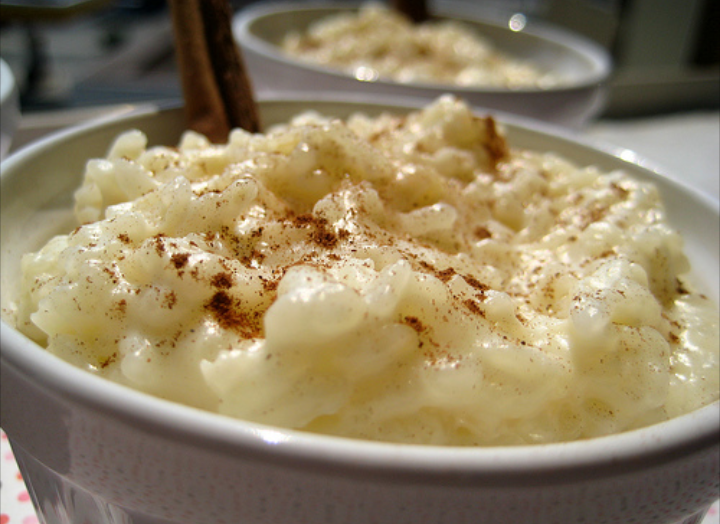 Rice pudding
🇮🇳 India and 4 moreSweetened rice cooked in milk, found in many forms worldwide
Sweet or dessert, Breakfast, Lunch
Rice pudding
🇮🇳 India and 4 moreSweetened rice cooked in milk, found in many forms worldwide
Sweet or dessert, Breakfast, Lunch
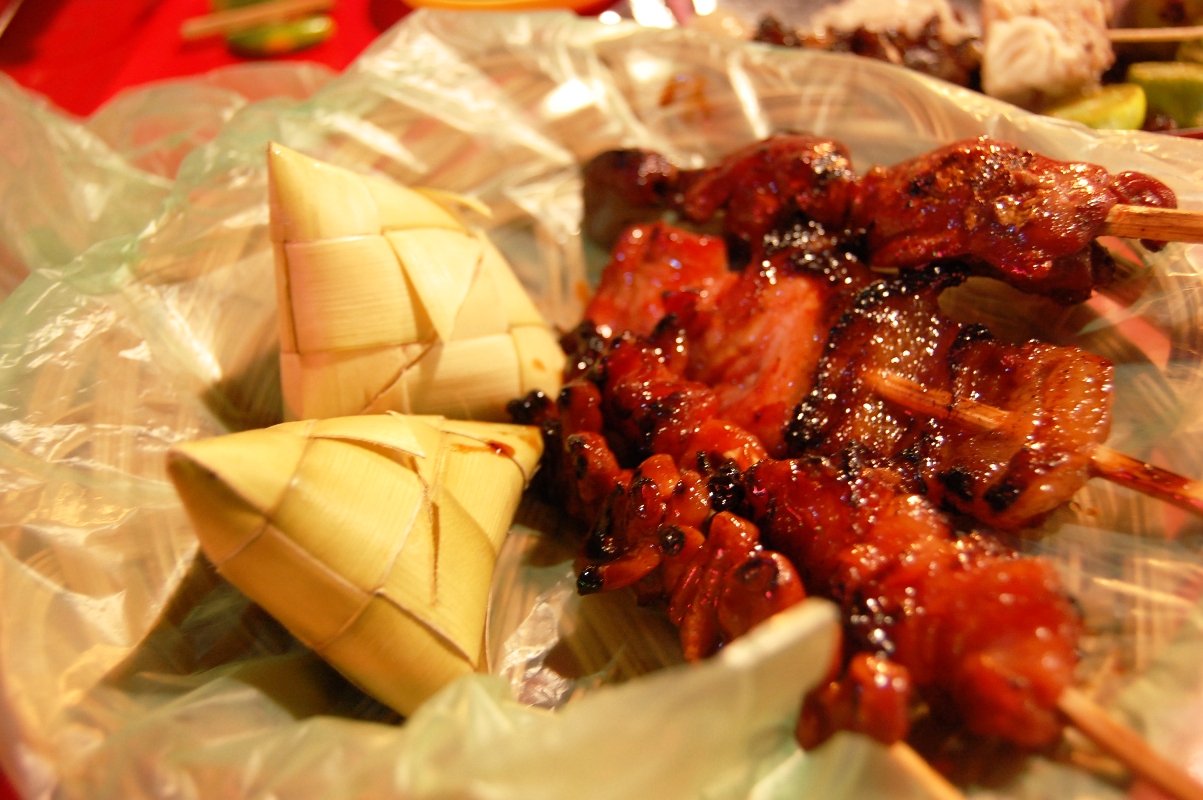 Inihaw
🇵🇭 PhilippinesGrilled meats and seafood, often on skewers, from the Philippines
Main dish, Lunch, Dinner
Inihaw
🇵🇭 PhilippinesGrilled meats and seafood, often on skewers, from the Philippines
Main dish, Lunch, Dinner
 BreadfruitVegan
🇵🇭 Philippines and 4 moreLarge tropical fruit cooked as a starchy staple in many island cuisines
Main dish, Lunch, Dinner
BreadfruitVegan
🇵🇭 Philippines and 4 moreLarge tropical fruit cooked as a starchy staple in many island cuisines
Main dish, Lunch, Dinner
Its cousins elsewhere
All sweets and desserts SimaVegan
🇫🇮 FinlandFinnish sparkling lemon drink, lightly fermented and sweet
Drink, Snacks
SimaVegan
🇫🇮 FinlandFinnish sparkling lemon drink, lightly fermented and sweet
Drink, Snacks
 BriocheVegetarianune brioche
🇫🇷 FranceFrench bread made with eggs and butter, often shaped in rounds or loaves
Bread, Breakfast, Snacks
BriocheVegetarianune brioche
🇫🇷 FranceFrench bread made with eggs and butter, often shaped in rounds or loaves
Bread, Breakfast, Snacks
 Pain au chocolatVegetarian
🇫🇷 France and 2 moreA flaky pastry filled with bars of dark chocolate
Pie or savoury pastry, Breakfast, Snacks
Pain au chocolatVegetarian
🇫🇷 France and 2 moreA flaky pastry filled with bars of dark chocolate
Pie or savoury pastry, Breakfast, Snacks
 Qatayefقطايف
🇪🇬 Egypt and 5 moreSweet stuffed pancakes, folded and filled with nuts or cream, served for Ramadan
Sweet or dessert, Snacks, Tea time
Qatayefقطايف
🇪🇬 Egypt and 5 moreSweet stuffed pancakes, folded and filled with nuts or cream, served for Ramadan
Sweet or dessert, Snacks, Tea time