
Raita
In its own language: रायता
Yogurt mixed with vegetables, fruit or pulses, served as a cooling side dish
Raita is a chilled side dish from the Indian subcontinent, made by mixing yogurt with raw or cooked vegetables, fruit, or pulses and seasoning it with spices and herbs. It is served alongside main dishes like pulao and curries, helping to cool the palate when eating spicy food.
- Raita is made by mixing yogurt with vegetables, fruit, or pulses
- It is served cold as a side dish with spicy foods
- Common spices include cumin, mustard seed, mint, and coriander
- Regional versions use local ingredients like potato or goosefoot
- Raita helps cool the palate during meals
What is Raita?
Raita is a creamy side dish made by blending yogurt with a mix of raw or cooked vegetables, fruits, or pulses. Common additions include cucumber, onion, carrot, beetroot, tomato, pineapple, or pomegranate. Spices such as roasted cumin, black mustard seeds, mint, coriander, and cayenne pepper are often used for flavor. The finished raita is usually served cold, with a mild and refreshing taste that balances spicy main dishes.
Where does Raita come from?
Raita comes from the Indian subcontinent, with roots in India, Pakistan, Bangladesh, and Nepal. The word 'raita' is derived from Hindi and Sanskrit, combining terms for black mustard seed and pungency. It first appeared in print in the 19th century. The dish developed as a way to temper the heat of spicy foods, using yogurt as a cooling base. Over time, it spread across the region, with each area creating its own versions using local ingredients.
How is Raita made?
To make raita, yogurt is mixed with chopped or grated vegetables, fruits, or cooked pulses. Spices such as cumin and mustard seeds may be fried and added for extra flavor. Herbs like mint and coriander are also common. The mixture is stirred together and chilled before serving. Some regional versions use buttermilk instead of yogurt, and the choice of vegetables or fruits changes with the seasons.


How and when is Raita eaten?
Raita is typically eaten as a side dish with main meals, especially at lunch or dinner. It is served alongside rice dishes like pulao or biryani, and with spicy curries. Its cool, creamy texture helps to soothe the palate when eating hot or highly spiced foods. Raita is usually presented in a small bowl and eaten with a spoon, or spooned onto the plate as needed.
Kinds of Raita
There are many types of raita, depending on the main ingredient. Cucumber raita is especially popular. In Haryana, bathua (goosefoot) is used in winter. Nepal has its own potato raita called chukauni, flavored with onion and coriander. In Eastern Nepal, a cucumber and yogurt version is called dahi kakro, while in the west it is known as raito. South India has similar dishes like pachadi and kichadi, which may include coconut oil and curry leaves.
What Raita means
Raita is a familiar part of everyday meals across the Indian subcontinent. It is valued for its cooling effect, especially in hot climates or with spicy foods. The dish adapts to local tastes and seasonal produce, reflecting regional food traditions. Raita is also linked to similar yogurt-based sides in other cuisines, such as tzatziki in the Eastern Mediterranean.
Questions people ask about Raita
What is raita made of?
Raita is made by mixing yogurt with raw or cooked vegetables, fruit, or pulses. It is seasoned with spices and herbs such as cumin, mustard seed, mint, and coriander.
Where does raita come from?
Raita comes from the Indian subcontinent, including India, Pakistan, Bangladesh, and Nepal. It is a traditional side dish in these cuisines.
How is raita usually served?
Raita is served cold as a side dish, often with rice dishes like pulao or with spicy curries. It is meant to cool the palate.
Are there different types of raita?
Yes, raita can be made with different main ingredients such as cucumber, potato, or seasonal greens. Each region has its own preferred version.
Is raita vegetarian?
Raita is vegetarian, as it is made from yogurt and plant-based ingredients like vegetables, fruit, or pulses.
Good reading and sources
The facts on this page come from the Wikipedia article "Raita", written by its contributors and used under the CC BY-SA 4.0 licence, and from its Wikidata record (CC0). Thali rewrote the text in its own words, with AI assistance, and compares every page with the article to make sure no passage is copied. It may be reused under the same CC BY-SA 4.0 licence with a link back.
It may contain mistakes, and it is not dietary or allergy advice: recipes differ from cook to cook. If something is wrong, tell us. Last refreshed 2026-10-03.
More from India
All the food of India Chutney
🇮🇳 India and 5 moreA spiced relish or sauce made from fruits, vegetables, herbs and spices
Sauce, pickle or ferment
Chutney
🇮🇳 India and 5 moreA spiced relish or sauce made from fruits, vegetables, herbs and spices
Sauce, pickle or ferment
 PanchamritaVegetarianपञ्चामृत
🇮🇳 IndiaA sacred blend of five sweet ingredients offered in Hindu and Jain rituals
Sweet or dessert
PanchamritaVegetarianपञ्चामृत
🇮🇳 IndiaA sacred blend of five sweet ingredients offered in Hindu and Jain rituals
Sweet or dessert
 BhangVeganभांग
🇮🇳 IndiaCannabis leaf paste used in drinks and sweets, central to Indian spring festivals
Drink, Snacks
BhangVeganभांग
🇮🇳 IndiaCannabis leaf paste used in drinks and sweets, central to Indian spring festivals
Drink, Snacks
 GundrukVeganगुन्द्रुक
🇳🇵 Nepal and 3 moreFermented leafy greens dried and eaten as a side dish in Nepal
Sauce, pickle or ferment
GundrukVeganगुन्द्रुक
🇳🇵 Nepal and 3 moreFermented leafy greens dried and eaten as a side dish in Nepal
Sauce, pickle or ferment
Its cousins elsewhere
All sauces, pickles and ferments GuacamoleVegan
🇲🇽 Mexico and 1 moreAvocado mashed with lime, salt, and herbs, served as a dip or spread
Sauce, pickle or ferment, Snacks, Lunch
GuacamoleVegan
🇲🇽 Mexico and 1 moreAvocado mashed with lime, salt, and herbs, served as a dip or spread
Sauce, pickle or ferment, Snacks, Lunch
 PiklizVegan
🇭🇹 HaitiA spicy Haitian mix of pickled vegetables and hot peppers
Sauce, pickle or ferment
PiklizVegan
🇭🇹 HaitiA spicy Haitian mix of pickled vegetables and hot peppers
Sauce, pickle or ferment
 TzatzikiVegetarianτζατζίκι
🇬🇷 Greece and 5 moreStrained yogurt mixed with cucumber, garlic and herbs, served cold as a dip or sauce
Sauce, pickle or ferment, Lunch, Dinner
TzatzikiVegetarianτζατζίκι
🇬🇷 Greece and 5 moreStrained yogurt mixed with cucumber, garlic and herbs, served cold as a dip or sauce
Sauce, pickle or ferment, Lunch, Dinner
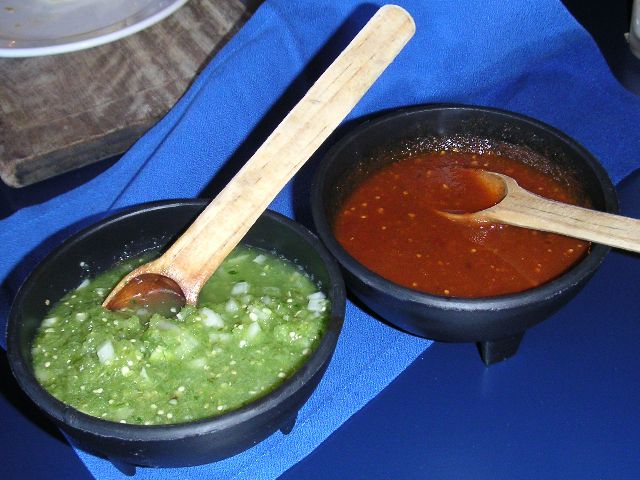 SalsaVegan
🇲🇽 Mexico and 1 moreMexican table sauces made with chili, tomato, and onion, served as condiments or dips
Sauce, pickle or ferment
SalsaVegan
🇲🇽 Mexico and 1 moreMexican table sauces made with chili, tomato, and onion, served as condiments or dips
Sauce, pickle or ferment