
Bhang
In its own language: भांग
Cannabis leaf paste used in drinks and sweets, central to Indian spring festivals
Bhang is a traditional Indian preparation made from ground cannabis leaves, blended into drinks like lassi and thandai or shaped into sweets and chutneys. It is especially linked to the Hindu festivals of Holi and Maha Shivaratri, where it is consumed for ritual and celebratory purposes. Bhang is legal in some Indian states and sold in licensed shops, often enjoyed in North Indian cities such as Mathura and Varanasi.
- Made from ground cannabis leaves, not the flowering tops
- Central to Holi and Maha Shivaratri celebrations in India
- Consumed as drinks, sweets, and chutneys
- Legally sold in licensed shops in some Indian states
- Linked to Hindu rituals and Ayurvedic medicine
What is Bhang?
Bhang is made by crushing cannabis leaves into a paste, which is then used in a variety of foods and drinks. The most common forms are creamy beverages like bhang lassi and bhang thandai, where the paste is mixed with milk and spices. It can also be shaped into sweets, such as chewy balls called goli, or blended into chutneys with mint and tomatoes. The taste and aroma depend on the spices and other ingredients added, often resulting in a herbal, grassy flavor with hints of sweetness or heat.
Where does Bhang come from?
Bhang has a long-standing presence in Indian culture, with references to its use stretching back thousands of years. The practice of consuming cannabis in food and drink is deeply rooted in Hindu tradition, especially in the context of religious festivals. Over time, bhang became associated with celebrations like Holi and Maha Shivaratri, and its use spread throughout North India. Historical records from Portuguese and Dutch travelers in the 16th century describe its recreational and ritual use.
How is Bhang made?
To make bhang, cannabis leaves are pounded into a fine paste using a mortar and pestle. For drinks, this paste is blended with milk, sometimes strained, and flavored with spices, sugar, and fruit. In some regions, it is mixed with ghee and sugar to create sweets, or rolled into small balls for easy consumption. Chutneys are made by grinding the seeds with mint, tomatoes, and spices. The preparation can involve chanting and prayers, especially during festivals.

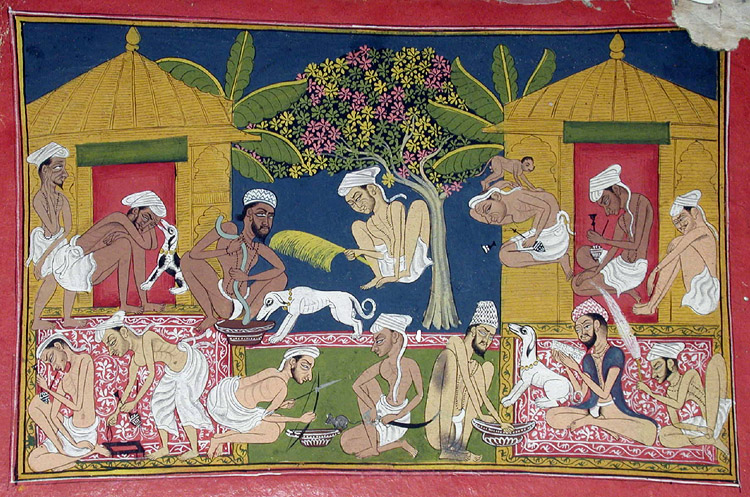

How and when is Bhang eaten?
Bhang is most often consumed during Hindu festivals, especially Holi and Maha Shivaratri, when it is shared among friends and family. In cities like Varanasi and Mathura, it is sold in licensed shops and enjoyed as a festive treat. People may drink bhang lassi or thandai, or eat sweets and chutneys made with bhang. It is sometimes used as an appetizer or to relax, and in some places, it is believed to have medicinal effects.
Kinds of Bhang
Bhang appears in several forms across India. In Mathura, it is popular as bhang lassi and thandai, while in Uttarakhand, a chutney made from cannabis seeds is part of local cooking. Sweets like goli and halva are other common types. The strength and flavor can vary depending on the amount of cannabis and the mix of spices or sweeteners. Some regions allow legal sale in special shops, while others restrict or ban it.
What Bhang means
Bhang holds a special place in Indian religious and social life, especially among Hindus. Its use is tied to spring festivals and rituals honoring Shiva, and it is often prepared with prayers and chants. In some areas, it is thought to have health benefits and is included in Ayurvedic medicine. The government regulates its sale, with some states licensing bhang shops, especially in North India. Bhang is both a festive indulgence and a part of everyday tradition in certain communities.
When Bhang is on the table
Questions people ask about Bhang
What is bhang made from?
Bhang is prepared by grinding the leaves of the cannabis plant into a paste, which is then mixed into drinks, sweets, or chutneys with ingredients like milk, spices, sugar, and sometimes fruit or mint.
Where does bhang come from?
Bhang has its roots in India, where it has been part of religious and social traditions for centuries, especially in the northern regions and cities like Mathura and Varanasi.
How is bhang usually consumed?
People commonly drink bhang mixed into lassi or thandai, or eat it in sweets and chutneys, especially during festivals like Holi and Maha Shivaratri.
Is bhang legal in India?
Bhang is legal in several Indian states and can be sold in licensed shops, though some regions restrict or ban its sale and use.
Is bhang vegetarian or vegan?
Bhang itself is vegan, as it is made from plant leaves, but some preparations may include milk or ghee, making them vegetarian.
Good reading and sources
- Encyclopaedia BritannicaArticle
- 17th-century cannabis pioneerThe Guardian, Article
- Apara Ekadashi 2024: How to celebrate the auspicious day? Puja vidhi and shubh muhurat to knowHindustan Times, Article
The facts on this page come from the Wikipedia article "Bhang", written by its contributors and used under the CC BY-SA 4.0 licence, and from its Wikidata record (CC0). Thali rewrote the text in its own words, with AI assistance, and compares every page with the article to make sure no passage is copied. It may be reused under the same CC BY-SA 4.0 licence with a link back.
It may contain mistakes, and it is not dietary or allergy advice: recipes differ from cook to cook. If something is wrong, tell us. Last refreshed 2026-10-03.
More from India
All the food of India TeaVegan茶
🇨🇳 China and 5 moreA drink made by soaking tea leaves in hot or cold water
Drink
TeaVegan茶
🇨🇳 China and 5 moreA drink made by soaking tea leaves in hot or cold water
Drink
 Ice cream
🇺🇸 United States and 5 moreA frozen dessert made from sweetened, flavoured milk or cream
Sweet or dessert, Snacks
Ice cream
🇺🇸 United States and 5 moreA frozen dessert made from sweetened, flavoured milk or cream
Sweet or dessert, Snacks
 Candy
🇺🇸 United States and 5 moreSmall sweet treats made mainly from sugar or sweeteners
Sweet or dessert, Snacks
Halvaحَلَاوَة
🇮🇷 Iran and 5 moreDense sweet made from seeds, grains, or vegetables, found across Asia, Africa, and Europe
Sweet or dessert, Snacks, Tea time
Candy
🇺🇸 United States and 5 moreSmall sweet treats made mainly from sugar or sweeteners
Sweet or dessert, Snacks
Halvaحَلَاوَة
🇮🇷 Iran and 5 moreDense sweet made from seeds, grains, or vegetables, found across Asia, Africa, and Europe
Sweet or dessert, Snacks, Tea time
Its cousins elsewhere
All drinks MazamorraKaguyjy
🇪🇸 Spain and 10 moreTraditional corn-based dessert or drink found across Spain and Latin America
Drink, Breakfast, Lunch
MazamorraKaguyjy
🇪🇸 Spain and 10 moreTraditional corn-based dessert or drink found across Spain and Latin America
Drink, Breakfast, Lunch
 Hot chocolate
🇲🇽 Mexico and 5 moreA warm drink made from chocolate or cocoa, milk or water, and sugar
Drink, Breakfast, Snacks
Hot chocolate
🇲🇽 Mexico and 5 moreA warm drink made from chocolate or cocoa, milk or water, and sugar
Drink, Breakfast, Snacks
 GnamakoudjiVegan
🇨🇮 Ivory Coast and 4 moreWest African drink made from ginger juice, often with pineapple, lemon, or mint
Drink
GnamakoudjiVegan
🇨🇮 Ivory Coast and 4 moreWest African drink made from ginger juice, often with pineapple, lemon, or mint
Drink
 Sangriasangría
🇪🇸 Spain and 1 moreRed wine mixed with fruit and served cold, from Spain and Portugal
Drink
Sangriasangría
🇪🇸 Spain and 1 moreRed wine mixed with fruit and served cold, from Spain and Portugal
Drink