Salsa
Mexican table sauces made with chili, tomato, and onion, served as condiments or dips
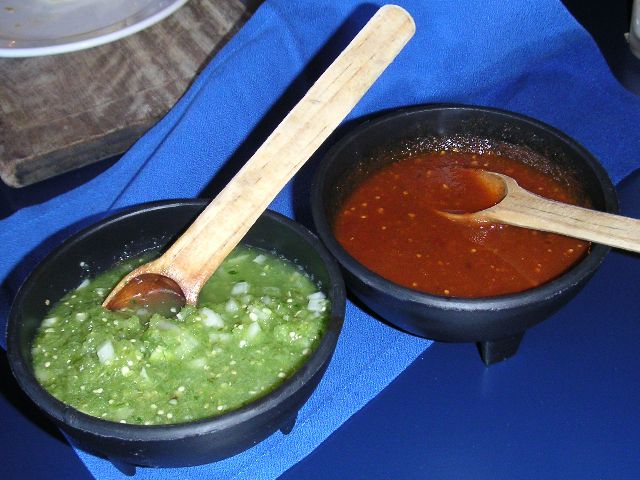
Salsa refers to a range of Mexican sauces, often made from chili peppers, tomatoes, and onions. Served with tacos, tamales, and other dishes, salsas can be raw or cooked, and are usually eaten at room temperature. In the United States, salsa is also a popular dip for tortilla chips and is used in various other foods.
- Salsa can be raw or cooked and is served at room temperature
- Main ingredients are chili pepper, tomato, and onion
- Traditionally made with a stone mortar called a molcajete
- Salsa is a staple condiment in Mexican cuisine
- In the U.S., salsa sales surpassed ketchup in 1992
What is Salsa?
Salsa is a group of sauces from Mexico, usually made with chili peppers, tomatoes, and onions. These sauces can be either raw or cooked, and their texture ranges from chunky to smooth. Some salsas, like salsa roja, are red and made with cooked tomatoes and chilies, while others, such as salsa cruda, are fresh and uncooked. Salsa is often served at room temperature and used as a condiment for tacos, tamales, and other foods. The taste can be mild to very spicy, depending on the type and amount of chili used.
Where does Salsa come from?
Salsa has its roots in Mexican cooking, where it has long been a staple at the table. Traditionally, salsas were made using a stone mortar and pestle called a molcajete. The use of salsa as a dip became popular in the United States through Mexican restaurants, especially from the 1980s onward. In 1992, salsa sales in the U.S. surpassed those of ketchup, showing its widespread acceptance. The word 'salsa' simply means 'sauce' in Spanish, but in English it refers specifically to these Mexican-style sauces.
How is Salsa made?
To make salsa, ingredients like chili peppers, tomatoes, and onions are chopped or blended together. Some types, such as salsa roja, are cooked, while others, like salsa cruda or pico de gallo, are served raw. Salsa verde uses tomatillos instead of tomatoes and is cooked before serving. The traditional way to prepare salsa is with a molcajete, but blenders are now common. The choice of chili and other ingredients can vary by region and recipe.


How and when is Salsa eaten?
Salsa is used as a condiment for tacos, tamales, and many other Mexican dishes. In Mexican-American restaurants, it is commonly served as a dip with tortilla chips, though this is not a typical practice in Mexico. Salsa can also be stirred into soups and stews or used in fillings. In the United States, it is sometimes added to baked potatoes, pasta, or even pizza. It is usually served at room temperature, either on the side or spooned over food.
Kinds of Salsa
There are many types of salsa, each with its own ingredients and uses. Salsa roja is made with cooked tomatoes and chilies, while salsa cruda is a fresh, uncooked mix. Salsa verde uses tomatillos. Chiltomate is a base sauce with tomatoes and chilies, with the type of chili varying by region. Modern salsas may include fruit, corn, or beans, and sweet salsas with fruit and hot peppers are now served with desserts in some places.
What Salsa means
Salsa is considered as essential to the Mexican table as salt or mustard in other cuisines. It is a daily part of meals, used to add flavor and heat. In the United States, salsa has become a symbol of Mexican-American food culture, especially as a dip for tortilla chips. Food safety is important with salsa, as raw varieties can harbor bacteria if not stored properly. Refrigeration and the use of fresh lime juice and garlic help keep it safe.
Questions people ask about Salsa
What is salsa made of?
Salsa is usually made from chili peppers, tomatoes, and onions. Some versions use tomatillos or add other ingredients like garlic, cilantro, or fruit.
Where does salsa come from?
Salsa comes from Mexico, where it has long been a common table sauce. Its use as a dip became popular in the United States through Mexican restaurants.
Is salsa always spicy?
The heat level of salsa depends on the type and amount of chili peppers used. Some salsas are mild, while others can be very spicy.
How is salsa served?
Salsa is served as a condiment with tacos, tamales, and other dishes. In the United States, it is also served as a dip with tortilla chips.
Are there different kinds of salsa?
Yes, there are many types, including salsa roja (cooked red sauce), salsa cruda (fresh, uncooked), salsa verde (with tomatillos), and chiltomate (tomato and chili base).
Good reading and sources
The facts on this page come from the Wikipedia article "Salsa (food)", written by its contributors and used under the CC BY-SA 4.0 licence, and from its Wikidata record (CC0). Thali rewrote the text in its own words, with AI assistance, and compares every page with the article to make sure no passage is copied. It may be reused under the same CC BY-SA 4.0 licence with a link back.
It may contain mistakes, and it is not dietary or allergy advice: recipes differ from cook to cook. If something is wrong, tell us. Last refreshed 2026-10-03.
More from Mexico
All the food of Mexico GuacamoleVegan
🇲🇽 Mexico and 1 moreAvocado mashed with lime, salt, and herbs, served as a dip or spread
Sauce, pickle or ferment, Snacks, Lunch
GuacamoleVegan
🇲🇽 Mexico and 1 moreAvocado mashed with lime, salt, and herbs, served as a dip or spread
Sauce, pickle or ferment, Snacks, Lunch
 Pico de galloVegan
🇲🇽 MexicoChopped tomato, onion, chili and cilantro salad served as a fresh salsa
Salad or side
Pico de galloVegan
🇲🇽 MexicoChopped tomato, onion, chili and cilantro salad served as a fresh salsa
Salad or side
 Adobo
🇪🇸 Spain and 5 moreA marinade or sauce of paprika, garlic, salt, vinegar and spices from Iberia
Sauce, pickle or ferment
Adobo
🇪🇸 Spain and 5 moreA marinade or sauce of paprika, garlic, salt, vinegar and spices from Iberia
Sauce, pickle or ferment
 Mole
🇲🇽 Mexico and 1 moreA thick, complex Mexican sauce made with chilis, nuts, spices and sometimes chocolate
Sauce, pickle or ferment, Lunch, Dinner
Mole
🇲🇽 Mexico and 1 moreA thick, complex Mexican sauce made with chilis, nuts, spices and sometimes chocolate
Sauce, pickle or ferment, Lunch, Dinner
Its cousins elsewhere
All sauces, pickles and ferments RaitaVegetarianरायता
🇮🇳 India and 3 moreYogurt mixed with vegetables, fruit or pulses, served as a cooling side dish
Sauce, pickle or ferment, Lunch, Dinner
RaitaVegetarianरायता
🇮🇳 India and 3 moreYogurt mixed with vegetables, fruit or pulses, served as a cooling side dish
Sauce, pickle or ferment, Lunch, Dinner
 Imam BayıldıVeganİmam bayıldı
🇹🇷 Turkey and 5 moreAubergine stuffed with onion, garlic and tomato, simmered in olive oil
Main dish, Lunch, Dinner
Imam BayıldıVeganİmam bayıldı
🇹🇷 Turkey and 5 moreAubergine stuffed with onion, garlic and tomato, simmered in olive oil
Main dish, Lunch, Dinner
 Sarma
🇹🇷 Turkey and 5 moreLeaves wrapped around a filling of rice, minced meat and spices
Main dish, Lunch, Dinner
Sarma
🇹🇷 Turkey and 5 moreLeaves wrapped around a filling of rice, minced meat and spices
Main dish, Lunch, Dinner
 Arrabbiata sauceVegan
🇮🇹 ItalySpicy Italian tomato sauce with garlic and chili from Rome
Sauce, pickle or ferment, Lunch, Dinner
Arrabbiata sauceVegan
🇮🇹 ItalySpicy Italian tomato sauce with garlic and chili from Rome
Sauce, pickle or ferment, Lunch, Dinner