
Matzah
In its own language: מצה
Unleavened flatbread central to the Jewish Passover festival
Matzah is an unleavened flatbread made from flour and water, central to Jewish Passover. It is eaten to recall the Exodus from Egypt, when bread could not rise. Matzah is usually crisp and pale, but can also be soft like pita in some traditions. Only flour from wheat, barley, spelt, rye, or oat is used for Passover matzah.
- Eaten during Passover to recall the Exodus from Egypt
- Made only from flour and water for ritual use
- Can be soft like pita or crisp like a cracker
- Ground into matzah meal for other dishes
- Central to the Passover Seder meal
What is Matzah?
Matzah is a flat, unleavened bread made by mixing flour and water and baking it quickly before any rising can occur. It is usually thin, crisp, and pale, with small holes pricked across the surface to keep it flat. Some communities also make a soft version, similar in texture to pita bread, but this is less common outside the Middle East. The bread is very plain, with a dry and neutral taste. For Passover, only flour from wheat, barley, spelt, rye, or oat is used, and nothing else is added for most traditions.
Where does Matzah come from?
Matzah has its roots in the biblical story of the Exodus, when the Israelites left Egypt in haste and did not have time for their bread to rise. The Torah commands eating only unleavened bread during Passover to remember this event. Matzah has been part of Jewish ritual for thousands of years. The earliest matzah was soft, but crisp versions became popular in Europe in the 18th and 19th centuries, especially after the invention of matzah-making machines in France.
How is Matzah made?
To make matzah, flour and water are mixed and rolled out quickly, then pricked to prevent puffing. The dough must be baked within 18 minutes of adding water to avoid any leavening. The bread is cooked at a high temperature until it is dry and lightly browned. After baking, it may be left as whole sheets or ground into matzah meal for use in other dishes. For Passover, strict supervision ensures no fermentation occurs.


How and when is Matzah eaten?
Matzah is eaten throughout the seven days of Passover, especially during the Seder meal, where it is a ritual requirement. It is often eaten plain, but can also be used as a base for other foods or ground into meal for dishes like matzah ball soup. Outside Passover, it is sometimes eaten as a simple bread. During the festival, leavened bread is forbidden, so matzah becomes the main bread at the table.
Kinds of Matzah
There are two main types: soft matzah, which is thicker and pliable, and the more common crisp matzah, which is thin and cracker-like. Some communities, like Yemenite and Iraqi Jews, still make soft matzah by hand. Flavored matzah, such as with poppy seeds or onion, is available, as are versions made from spelt or oat for those with dietary needs. Matzah meal and cake meal are ground forms used in cooking and baking.
What Matzah means
Matzah is deeply tied to Jewish identity and the celebration of Passover, symbolizing both hardship and freedom. It is called the 'bread of affliction' and serves as a reminder of humility and the Exodus story. Eating matzah during Passover is a central ritual, and special care is taken to ensure it meets religious requirements. In some communities, making matzah is a communal or family event, especially for the first night of Passover.
When Matzah is on the table
Questions people ask about Matzah
What is matzah made of?
Matzah is made from just flour and water, mixed and baked quickly before any leavening can occur. For Passover, the flour must come from wheat, barley, spelt, rye, or oat.
Where does matzah come from?
Matzah originates from the biblical story of the Exodus from Egypt and is a traditional food in Jewish communities, especially during Passover.
Why is matzah eaten during Passover?
Matzah is eaten to remember the haste with which the Israelites left Egypt, not allowing time for their bread to rise. It is a ritual requirement during Passover.
Are there different types of matzah?
Yes. There is soft matzah, which is thicker and pliable, and crisp matzah, which is thin and cracker-like. Flavored and whole grain versions also exist.
How is matzah used besides eating it plain?
Matzah can be ground into meal for cooking and baking, such as in matzah balls for soup. It is also used in various dishes during Passover.
Good reading and sources
The facts on this page come from the Wikipedia article "Matzah", written by its contributors and used under the CC BY-SA 4.0 licence, and from its Wikidata record (CC0). Thali rewrote the text in its own words, with AI assistance, and compares every page with the article to make sure no passage is copied. It may be reused under the same CC BY-SA 4.0 licence with a link back.
It may contain mistakes, and it is not dietary or allergy advice: recipes differ from cook to cook. If something is wrong, tell us. Last refreshed 2026-10-03.
More from Egypt
All the food of Egypt PitaVegan
🇪🇬 Egypt and 5 moreRound, leavened flatbread baked from wheat flour, common across the Middle East and Mediterranean
Bread
PitaVegan
🇪🇬 Egypt and 5 moreRound, leavened flatbread baked from wheat flour, common across the Middle East and Mediterranean
Bread
 SimitVegan
🇹🇷 Turkey and 5 moreRing-shaped bread with a sesame seed crust, sold by street vendors
Bread, Breakfast, Snacks
SimitVegan
🇹🇷 Turkey and 5 moreRing-shaped bread with a sesame seed crust, sold by street vendors
Bread, Breakfast, Snacks
 FattoushVeganفتوش
🇱🇧 Lebanon and 6 moreLevantine salad of toasted pita, mixed greens, and vegetables
Salad or side
FattoushVeganفتوش
🇱🇧 Lebanon and 6 moreLevantine salad of toasted pita, mixed greens, and vegetables
Salad or side
 Candy
🇺🇸 United States and 5 moreSmall sweet treats made mainly from sugar or sweeteners
Sweet or dessert, Snacks
Candy
🇺🇸 United States and 5 moreSmall sweet treats made mainly from sugar or sweeteners
Sweet or dessert, Snacks
Its cousins elsewhere
All breads BaguetteVegan
🇫🇷 France and 5 moreLong, thin French bread with a crisp crust and soft interior
Bread, Breakfast, Lunch
BaguetteVegan
🇫🇷 France and 5 moreLong, thin French bread with a crisp crust and soft interior
Bread, Breakfast, Lunch
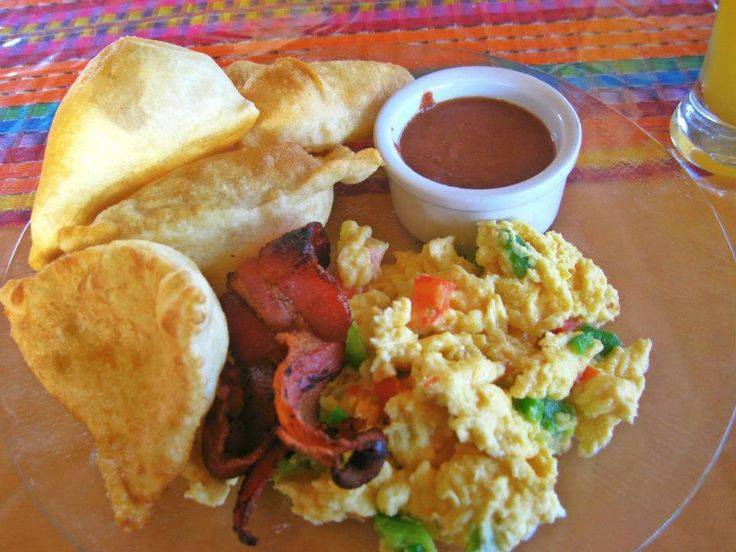 Fry jackVegetarian
🇧🇿 BelizeDeep-fried breakfast dough from Belize, served plain or with sweet or savoury toppings
Bread, Breakfast
Fry jackVegetarian
🇧🇿 BelizeDeep-fried breakfast dough from Belize, served plain or with sweet or savoury toppings
Bread, Breakfast
 Roti canaiரொட்டி சென்னை
🇲🇾 Malaysia and 5 moreUnleavened flatbread tossed thin and cooked until crisp, served with curry or dal
Bread, Breakfast, Snacks
Roti canaiரொட்டி சென்னை
🇲🇾 Malaysia and 5 moreUnleavened flatbread tossed thin and cooked until crisp, served with curry or dal
Bread, Breakfast, Snacks
 BriocheVegetarianune brioche
🇫🇷 FranceFrench bread made with eggs and butter, often shaped in rounds or loaves
Bread, Breakfast, Snacks
BriocheVegetarianune brioche
🇫🇷 FranceFrench bread made with eggs and butter, often shaped in rounds or loaves
Bread, Breakfast, Snacks