
Sakuramochi
In its own language: 桜餅
Sweet pink mochi filled with red bean paste and wrapped in a pickled cherry leaf
Sakuramochi is a Japanese sweet made of pink-colored rice cake with a red bean paste center, wrapped in a pickled cherry blossom leaf. Eaten mainly in spring, it is especially popular during Hinamatsuri (Girls' Day) and hanami (cherry blossom viewing) gatherings.
- Wrapped in a pickled cherry blossom leaf, sometimes eaten with the sweet
- Two main styles: crêpe-like Kanto and rice-grain Kansai versions
- Traditionally enjoyed at Hinamatsuri and cherry blossom viewing parties
- Invented in Edo (Tokyo) in the early 18th century
What is Sakuramochi?
Sakuramochi is a traditional Japanese sweet with a soft, pink rice cake exterior and a sweet red bean paste filling. The whole is wrapped in a pickled cherry blossom leaf, which adds a subtle floral aroma and a hint of saltiness. Some people eat the leaf along with the mochi, while others remove it. The sweet is small enough to be eaten in a few bites and is visually striking, with its pink color evoking cherry blossoms in bloom.
Where does Sakuramochi come from?
Sakuramochi is said to have been created in 1717 in the Mukōjima area of Edo (now Tokyo) by Shinroku Yamamoto, a temple gatekeeper who opened a teahouse near Chōmei-ji Temple. He used cherry leaves collected from the temple grounds to wrap the sweets, which became popular with visitors coming for cherry blossom viewing along the Sumida River. The original shop, Yamamoto-ya, still makes sakuramochi using a recipe from the Edo period.
How is Sakuramochi made?
There are two main styles of sakuramochi. The Kanto (Tokyo) version uses a thin crêpe made from glutinous rice flour or sometimes wheat flour, which is filled with red bean paste and wrapped in a pickled cherry leaf. The Kansai (Osaka) style, called Dōmyōji-mochi, uses coarse rice grains that are steamed, shaped around the bean paste, and then wrapped in the leaf. Both types are available in sweet shops and supermarkets.


How and when is Sakuramochi eaten?
Sakuramochi is most often enjoyed in spring, especially during Hinamatsuri on March 3 and at hanami, the cherry blossom viewing parties. It is commonly served with tea, either as a snack or as part of a traditional Japanese tea ceremony. The pickled cherry leaf can be eaten or set aside, depending on personal taste. Outside of festivals, sakuramochi is also enjoyed as an everyday sweet.
Kinds of Sakuramochi
The two main regional variations are the Kanto (Chōmeiji) and Kansai (Dōmyōji) styles, differing mainly in the type of rice cake used. The Kanto version is more like a crêpe, while the Kansai version is made from steamed, dried glutinous rice grains. Both are widely available across Japan, regardless of region.
What Sakuramochi means
Sakuramochi is closely tied to Japanese spring celebrations. It is a traditional treat for Hinamatsuri (Girls' Day) and is also enjoyed during hanami, when people gather to view cherry blossoms. Its pink color and use of cherry leaves make it a symbol of the season. The sweet has a long history and is considered a classic wagashi, or Japanese confection.
When Sakuramochi is on the table
Questions people ask about Sakuramochi
What is sakuramochi made of?
Sakuramochi is made from a pink-colored rice cake filled with sweet red bean paste and wrapped in a pickled cherry blossom leaf.
Where does sakuramochi come from?
Sakuramochi originated in Japan, specifically in the Mukōjima area of Edo (now Tokyo) in the early 18th century.
When is sakuramochi usually eaten?
It is most commonly eaten in spring, especially during Hinamatsuri (Girls' Day) on March 3 and at hanami, cherry blossom viewing gatherings.
Are there different types of sakuramochi?
Yes, there are two main types: the Kanto (crêpe-style) and Kansai (rice-grain style) versions, each with a different texture.
Do you eat the cherry leaf on sakuramochi?
Eating the pickled cherry blossom leaf is optional; some people enjoy its salty flavor, while others prefer to remove it.
Good reading and sources
The facts on this page come from the Wikipedia article "Sakuramochi", written by its contributors and used under the CC BY-SA 4.0 licence, and from its Wikidata record (CC0). Thali rewrote the text in its own words, with AI assistance, and compares every page with the article to make sure no passage is copied. It may be reused under the same CC BY-SA 4.0 licence with a link back.
It may contain mistakes, and it is not dietary or allergy advice: recipes differ from cook to cook. If something is wrong, tell us. Last refreshed 2026-10-03.
More from Japan
All the food of Japan Ice cream
🇺🇸 United States and 5 moreA frozen dessert made from sweetened, flavoured milk or cream
Sweet or dessert, Snacks
Ice cream
🇺🇸 United States and 5 moreA frozen dessert made from sweetened, flavoured milk or cream
Sweet or dessert, Snacks
 KabochaVeganカボチャ
🇯🇵 Japan and 5 moreA sweet, dense winter squash with edible skin, used in Japanese and Asian cooking
Main dish, Lunch, Dinner
KabochaVeganカボチャ
🇯🇵 Japan and 5 moreA sweet, dense winter squash with edible skin, used in Japanese and Asian cooking
Main dish, Lunch, Dinner
 Cheesecake
🇬🇷 Greece and 5 moreA chilled dessert of sweetened soft cheese on a crumb or pastry base
Sweet or dessert, Snacks
Cheesecake
🇬🇷 Greece and 5 moreA chilled dessert of sweetened soft cheese on a crumb or pastry base
Sweet or dessert, Snacks
 MochiVegan餅
🇯🇵 JapanJapanese rice cake made by pounding glutinous rice into a sticky, chewy mass
Sweet or dessert
MochiVegan餅
🇯🇵 JapanJapanese rice cake made by pounding glutinous rice into a sticky, chewy mass
Sweet or dessert
Its cousins elsewhere
All sweets and desserts CroissantVegetarian
🇫🇷 France and 5 moreA crescent-shaped, flaky pastry made from layered yeast dough and butter
Pie or savoury pastry, Breakfast, Tea time
CroissantVegetarian
🇫🇷 France and 5 moreA crescent-shaped, flaky pastry made from layered yeast dough and butter
Pie or savoury pastry, Breakfast, Tea time
 Pancake
🇺🇸 United States and 5 moreFlat cakes made from batter, cooked on a griddle or pan and served sweet or savoury
Main dish, Breakfast, Snacks
Pancake
🇺🇸 United States and 5 moreFlat cakes made from batter, cooked on a griddle or pan and served sweet or savoury
Main dish, Breakfast, Snacks
 SachertorteVegetarian
🇦🇹 Austria and 1 moreAustrian chocolate sponge cake with apricot jam and a glossy chocolate glaze
Sweet or dessert, Tea time, Snacks
SachertorteVegetarian
🇦🇹 Austria and 1 moreAustrian chocolate sponge cake with apricot jam and a glossy chocolate glaze
Sweet or dessert, Tea time, Snacks
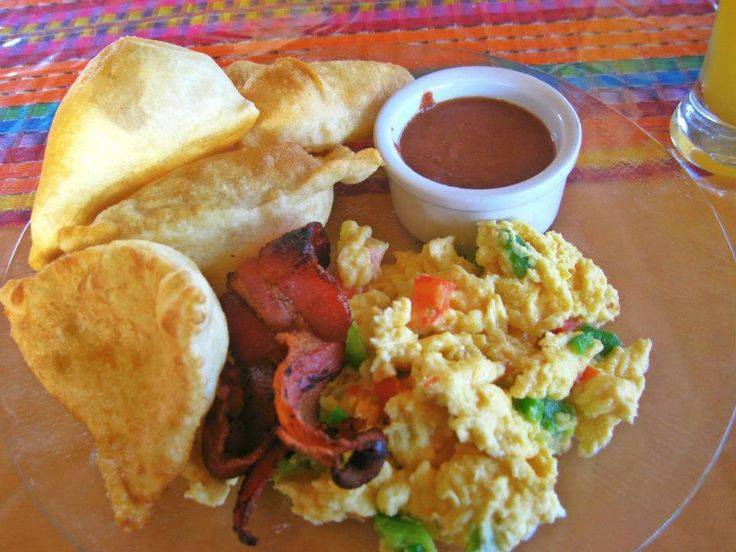 Fry jackVegetarian
🇧🇿 BelizeDeep-fried breakfast dough from Belize, served plain or with sweet or savoury toppings
Bread, Breakfast
Fry jackVegetarian
🇧🇿 BelizeDeep-fried breakfast dough from Belize, served plain or with sweet or savoury toppings
Bread, Breakfast