Samanu
In its own language: سمنو
Sweet, thick paste made from sprouted wheat for Nowruz spring celebrations
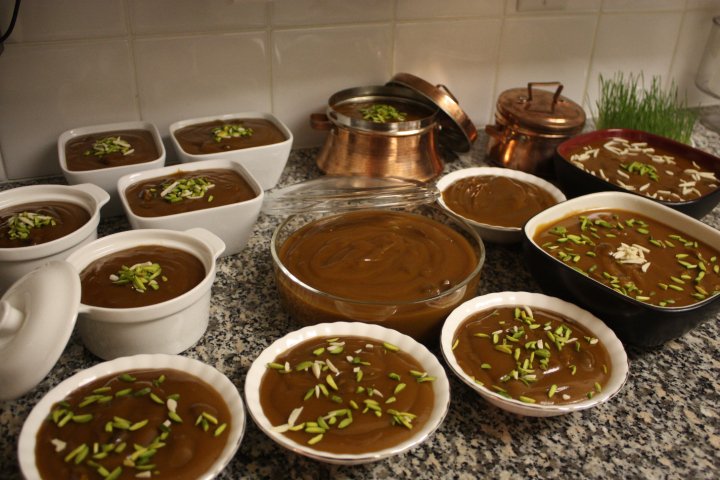
Samanu is a sweet, thick paste made from germinated wheat, prepared especially for Nowruz, the Persian New Year. It is traditional in Iran and neighboring countries, where it is cooked in large pots over many hours, often as a festive gathering. The process can take up to a week and is closely tied to springtime rituals.
- Made from sprouted wheat and water, cooked for hours
- Central to Nowruz spring festival and Haft-Sin table
- Traditionally stirred by women in a festive gathering
- Walnuts added for wishes near the end of cooking
- Ashtian in Iran is famous for samanu production
What is Samanu?
Samanu is a dense, sweet paste made by slowly cooking sprouted wheat with water, sometimes with a little wheat flour added. The result is a glossy, brown mixture with a natural sweetness from the wheat itself. It is thick and smooth, and may have whole walnuts added near the end for extra flavor and symbolism. Samanu is most often made in large batches for sharing, and is closely linked to springtime celebrations.
Where does Samanu come from?
Samanu has roots in the pre-Islamic Sasanian Persian Empire and is especially tied to Nowruz, the Persian New Year. Its preparation is a centuries-old tradition across Iran and Central Asia, with strong links to Persian culture. The dish is also connected to the Haft-Sin table, a symbolic display for Nowruz. Over time, the custom has spread to Afghanistan, Tajikistan, Azerbaijan, and other regions, each with its own local name.
How is Samanu made?
The process of making samanu begins by soaking wheat and allowing it to sprout, which can take several days. The sprouted wheat is then ground and mixed with water, and sometimes a small amount of flour is added to help it thicken. The mixture is cooked slowly in a large pot, often overnight, with constant stirring. In the final stages, whole walnuts may be dropped in while making wishes. The finished samanu is smooth, thick, and sweet.


How and when is Samanu eaten?
Samanu is prepared and eaten during Nowruz, marking the start of spring. Traditionally, women gather around the cooking pot, singing and taking turns stirring the mixture through the night. Once finished, the warm samanu is shared with neighbors, relatives, and friends. In Afghanistan, the preparation is also a social event, sometimes held as a picnic. It is not typically eaten as part of a regular meal but as a festive treat.
Kinds of Samanu
Traditional samanu uses only sprouted wheat and water, but modern recipes may add wheat flour to speed up thickening, though this can make it less sweet and more bitter. In some regions, walnuts are added for flavor and as part of the wishing ritual. The dish is known by different names and has slight differences in preparation across Iran, Afghanistan, Tajikistan, and Central Asia.
What Samanu means
Samanu is a symbol of renewal and abundance, central to Nowruz celebrations and the Haft-Sin table. Its preparation is a communal event, often involving women singing and making wishes. In Tajikistan, the tradition of cooking samanu is recognized as part of UNESCO's Intangible Cultural Heritage. In Iran, the city of Ashtian is famous for its samanu, which is made and sold in large quantities before Nowruz.
When Samanu is on the table
Questions people ask about Samanu
What is samanu made of?
Samanu is made from germinated wheat, water, and sometimes a little wheat flour. Whole walnuts are often added near the end of cooking as part of a wishing ritual.
Where does samanu come from?
Samanu has its origins in Iran, with traditions spreading to Afghanistan, Tajikistan, and Azerbaijan. It is especially linked to Persian culture and the Nowruz festival.
When is samanu usually eaten?
Samanu is prepared and eaten during Nowruz, the Persian New Year, which marks the beginning of spring. It is not an everyday food but a special treat for the festival.
How is samanu traditionally prepared?
The process involves soaking and sprouting wheat, grinding it, and cooking it slowly with water in a large pot, often overnight, with constant stirring and singing.
Why are walnuts added to samanu?
Walnuts are thrown into the pot near the end of cooking while making wishes. This is part of the tradition and adds flavor and symbolism to the dish.
Good reading and sources
The facts on this page come from the Wikipedia article "Samanu", written by its contributors and used under the CC BY-SA 4.0 licence, and from its Wikidata record (CC0). Thali rewrote the text in its own words, with AI assistance, and compares every page with the article to make sure no passage is copied. It may be reused under the same CC BY-SA 4.0 licence with a link back.
It may contain mistakes, and it is not dietary or allergy advice: recipes differ from cook to cook. If something is wrong, tell us. Last refreshed 2026-10-03.
More from Iran
All the food of Iran BaklavaVegetarianباقلوا
🇹🇷 Turkey and 5 moreThin pastry filled with nuts and soaked in sweet syrup
Sweet or dessert, Tea time, Snacks
BaklavaVegetarianباقلوا
🇹🇷 Turkey and 5 moreThin pastry filled with nuts and soaked in sweet syrup
Sweet or dessert, Tea time, Snacks
 JalebiVegetarian
🇮🇳 India and 6 moreDeep-fried spirals of batter soaked in syrup, enjoyed across Asia and Africa
Pie or savoury pastry, Breakfast, Snacks
JalebiVegetarian
🇮🇳 India and 6 moreDeep-fried spirals of batter soaked in syrup, enjoyed across Asia and Africa
Pie or savoury pastry, Breakfast, Snacks
 SharbatVeganشربت
🇮🇷 Iran and 5 moreSweet fruit or flower drink, served chilled or as a syrup
Drink, Snacks
SharbatVeganشربت
🇮🇷 Iran and 5 moreSweet fruit or flower drink, served chilled or as a syrup
Drink, Snacks
Its cousins elsewhere
All sweets and desserts Pain au chocolatVegetarian
🇫🇷 France and 2 moreA flaky pastry filled with bars of dark chocolate
Pie or savoury pastry, Breakfast, Snacks
Pain au chocolatVegetarian
🇫🇷 France and 2 moreA flaky pastry filled with bars of dark chocolate
Pie or savoury pastry, Breakfast, Snacks
 Christmas waferVegan
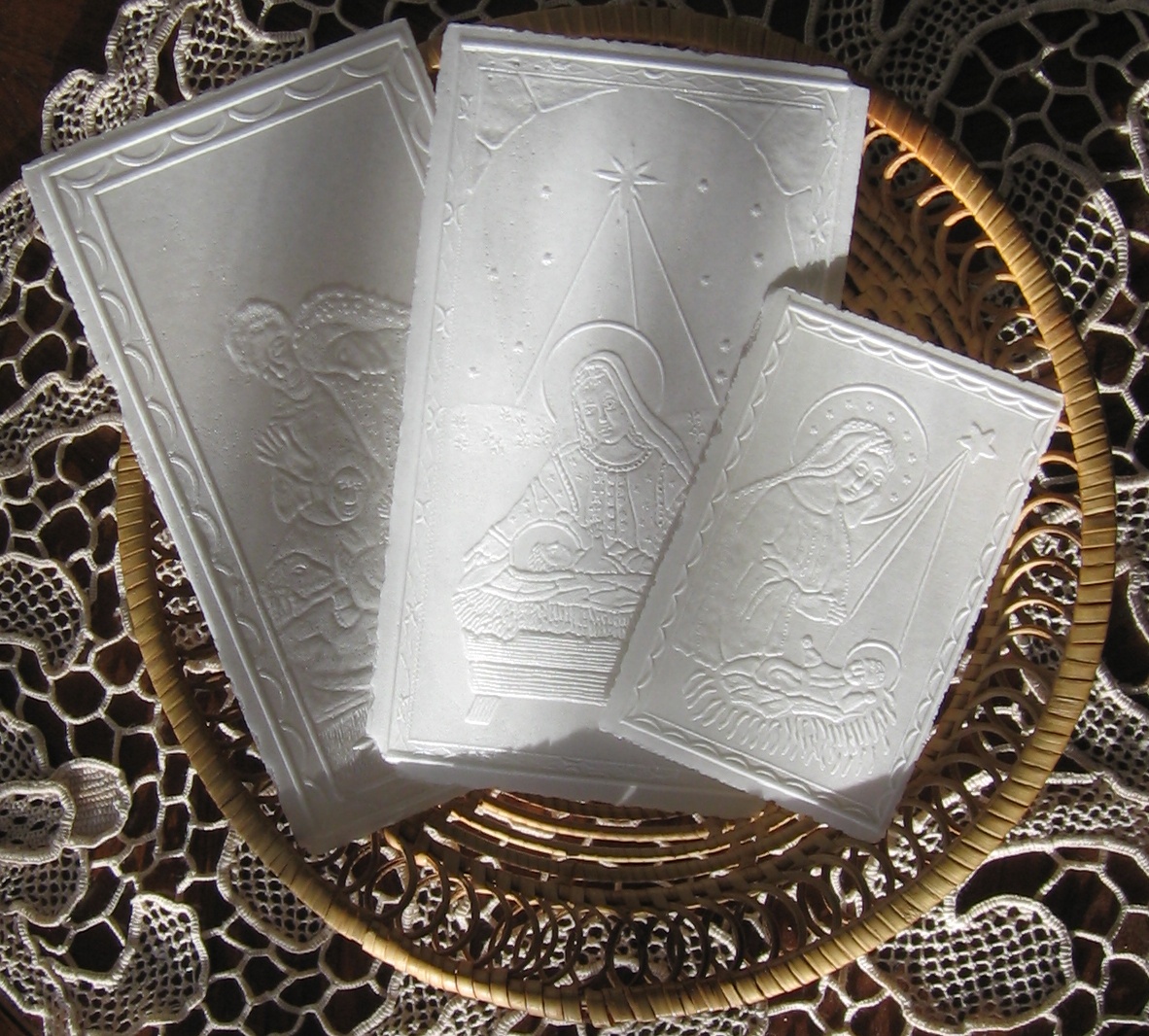
🇵🇱 Poland and 2 moreThin, embossed wheat wafers shared at Christmas in Poland and Lithuania
Bread
Christmas waferVegan
🇵🇱 Poland and 2 moreThin, embossed wheat wafers shared at Christmas in Poland and Lithuania
Bread
 Doughnut
🇺🇸 United States and 5 moreSweet fried or baked rings or balls, often glazed or filled
Sweet or dessert, Breakfast, Snacks
Doughnut
🇺🇸 United States and 5 moreSweet fried or baked rings or balls, often glazed or filled
Sweet or dessert, Breakfast, Snacks
 Hot chocolate
🇲🇽 Mexico and 5 moreA warm drink made from chocolate or cocoa, milk or water, and sugar
Drink, Breakfast, Snacks
Hot chocolate
🇲🇽 Mexico and 5 moreA warm drink made from chocolate or cocoa, milk or water, and sugar
Drink, Breakfast, Snacks