
Sharbat
In its own language: شربت
Sweet fruit or flower drink, served chilled or as a syrup
Sharbat is a sweet, non-alcoholic drink made from fruit or flower petals, often chilled and diluted with water. Originating in Iran, it spread across the Middle East, South Asia, and North Africa, with many regional flavors like rose, tamarind, and orange blossom. Sharbat is especially popular during Ramadan and at weddings.
- Sharbat is often made with rose, tamarind, or orange blossom flavors
- It originated in Iran and spread across the Middle East and South Asia
- Sharbat is a traditional drink for breaking the fast during Ramadan
- Algerian weddings feature a version called cherbet with orange blossom water
- Sharbat can be served chilled, hot, or as a syrup
What is Sharbat?
Sharbat is a sweet beverage made by mixing fruit juices or flower petals with sugar and water. It can be served as a chilled drink or as a thick syrup eaten with a spoon. Common flavors include rose, orange blossom, tamarind, lemon, and various fruits such as mango and grape. Some versions use basil or chia seeds for texture. The drink is often fragrant and brightly colored, with a refreshing, sweet taste.
Where does Sharbat come from?
Sharbat is believed to have originated in Iran, where it was enjoyed as a fruit syrup cooled with snow as early as 400 BC. The drink spread through the Middle East and South Asia, becoming popular in the Ottoman Empire and Mughal India. Its name comes from Persian and Arabic words meaning 'to drink.' Over centuries, sharbat evolved into many regional varieties, often tied to local ingredients and customs.
How is Sharbat made?
To make sharbat, fruit juice or flower petals are combined with sugar and water, then chilled or diluted as desired. Some versions are concentrated syrups, while others are lighter drinks. Flavors can be enhanced with spices like cardamom, cloves, or cinnamon, and sometimes herbs or seeds are added. In Turkey, pastes and tablets were once made by boiling fruit and sugar, then letting the mixture set.


How and when is Sharbat eaten?
Sharbat is usually served cold, especially in summer, but some versions are enjoyed hot in winter. It is a common refreshment in homes across Iran, Turkey, India, and North Africa. During Ramadan, it is a favored drink for breaking the fast. In Algeria, it is served at weddings, especially after the bride's hammam ritual. Sharbat can be offered to guests or paired with pastries.
Kinds of Sharbat
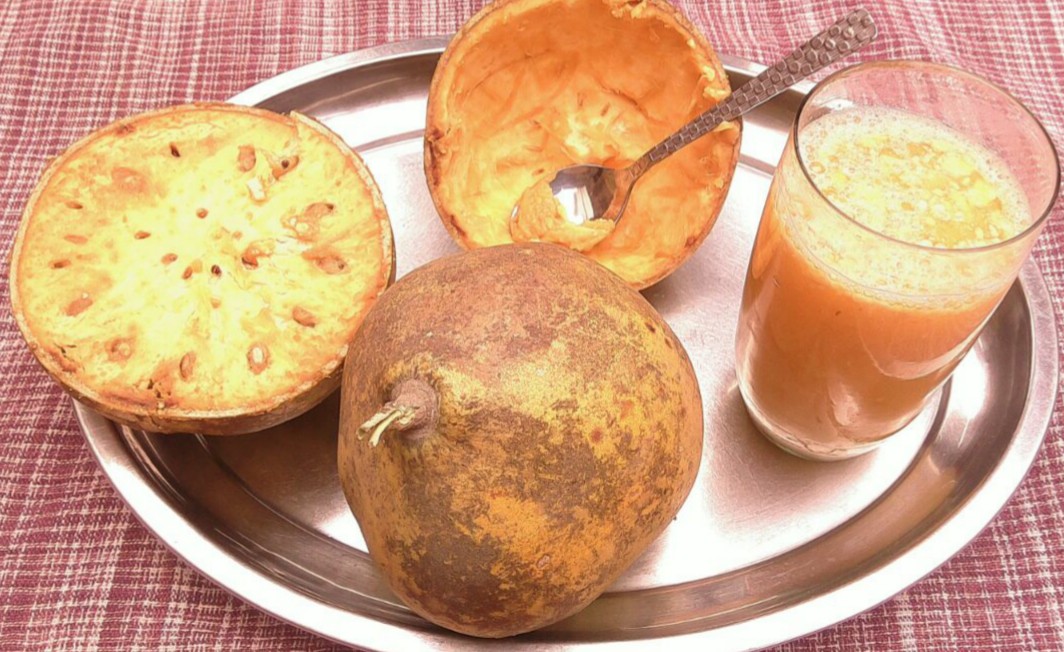
Sharbat comes in many regional forms. In Turkey, flavors like tamarind, rose, and sour cherry are common, and special types are made for weddings or engagements. In India, sharbat may be made from bael fruit, sandalwood, or vetiver. Algerian cherbet uses orange blossom water and cinnamon. In Indonesia, serbat blewah includes shredded cantaloupe. Each region adapts the drink to local tastes and ingredients.
What Sharbat means
Sharbat holds cultural and religious significance, especially among Muslims during Ramadan and at weddings. In Ottoman times, it was produced in palace kitchens and sold by specialized shops. In Algeria, it is a key part of wedding rituals. The drink's history is reflected in literature and poetry, and it remains a symbol of hospitality and celebration in many societies.
When Sharbat is on the table
Questions people ask about Sharbat
What is sharbat made of?
Sharbat is made from fruit juices or flower petals mixed with sugar and water. Common additions include rose water, orange blossom water, and sometimes spices or seeds.
Where does sharbat come from?
Sharbat originated in Iran and became popular throughout the Middle East, South Asia, and North Africa, with each region developing its own flavors and traditions.
When is sharbat usually served?
Sharbat is enjoyed as a refreshing drink on hot days, during festivals, and at special occasions like weddings. It is especially popular during Ramadan for breaking the fast.
Are there different types of sharbat?
Yes, sharbat comes in many varieties, such as rose, tamarind, orange blossom, bael fruit, and cantaloupe, with each region favoring different ingredients and flavors.
Is sharbat always served cold?
Sharbat is most often served cold, but in some regions and seasons, it can be served hot, especially versions made with spices in winter.
Good reading and sources
- Make this cooling almond sharbat this summerThe Indian Express, Article
- Diwali drinks: sharbat to champagneThe Guardian, Article
- Sharbat (drink) on WikipediaEncyclopedia
- More photos on Wikimedia CommonsPhotos
- Wikidata recordOpen data
The facts on this page come from the Wikipedia article "Sharbat (drink)", written by its contributors and used under the CC BY-SA 4.0 licence, and from its Wikidata record (CC0). Thali rewrote the text in its own words, with AI assistance, and compares every page with the article to make sure no passage is copied. It may be reused under the same CC BY-SA 4.0 licence with a link back.
It may contain mistakes, and it is not dietary or allergy advice: recipes differ from cook to cook. If something is wrong, tell us. Last refreshed 2026-10-03.
More from Iran
All the food of Iran TeaVegan茶
🇨🇳 China and 5 moreA drink made by soaking tea leaves in hot or cold water
Drink
Halvaحَلَاوَة
🇮🇷 Iran and 5 moreDense sweet made from seeds, grains, or vegetables, found across Asia, Africa, and Europe
Sweet or dessert, Snacks, Tea time
TeaVegan茶
🇨🇳 China and 5 moreA drink made by soaking tea leaves in hot or cold water
Drink
Halvaحَلَاوَة
🇮🇷 Iran and 5 moreDense sweet made from seeds, grains, or vegetables, found across Asia, Africa, and Europe
Sweet or dessert, Snacks, Tea time
 BaklavaVegetarianباقلوا
🇹🇷 Turkey and 5 moreThin pastry filled with nuts and soaked in sweet syrup
Sweet or dessert, Tea time, Snacks
BaklavaVegetarianباقلوا
🇹🇷 Turkey and 5 moreThin pastry filled with nuts and soaked in sweet syrup
Sweet or dessert, Tea time, Snacks
 AyranVegetarian
🇹🇷 Turkey and 5 moreChilled yogurt drink mixed with water and salt, popular in Turkey and beyond
Drink, Breakfast, Lunch
AyranVegetarian
🇹🇷 Turkey and 5 moreChilled yogurt drink mixed with water and salt, popular in Turkey and beyond
Drink, Breakfast, Lunch
Its cousins elsewhere
All drinks KompotVegan
🇵🇱 Poland and 5 moreSweet fruit drink made by simmering fresh or dried fruit in water
Drink
'OtaiVegan
🇹🇴 Tonga and 1 moreA chilled fruit and coconut drink from Tonga and Samoa
Drink
KompotVegan
🇵🇱 Poland and 5 moreSweet fruit drink made by simmering fresh or dried fruit in water
Drink
'OtaiVegan
🇹🇴 Tonga and 1 moreA chilled fruit and coconut drink from Tonga and Samoa
Drink
 MazamorraKaguyjy
🇪🇸 Spain and 10 moreTraditional corn-based dessert or drink found across Spain and Latin America
Drink, Breakfast, Lunch
MazamorraKaguyjy
🇪🇸 Spain and 10 moreTraditional corn-based dessert or drink found across Spain and Latin America
Drink, Breakfast, Lunch
 Aguas frescasVegan
🇲🇽 Mexico and 5 moreLight drinks of fruit, seeds or flowers blended with water and sugar
Drink, Snacks
Aguas frescasVegan
🇲🇽 Mexico and 5 moreLight drinks of fruit, seeds or flowers blended with water and sugar
Drink, Snacks