
Samosa
Fried or baked pastry with a spiced filling, shaped into triangles or cones
Samosa is a savoury turnover with a spiced filling, usually vegetables or meat, wrapped in a thin pastry and fried or baked. It is widely eaten as a snack or appetizer in South Asia, Central Asia, the Middle East, and parts of Africa. Samosas are served hot, often with chutney, and come in many regional shapes and fillings.
- Samosas are usually triangular, but can also be cone or crescent-shaped
- Fillings range from spiced potatoes and peas to meat, cheese, or even fish
- Samosas can be deep-fried or baked, depending on the region
- They are often served with chutney as a snack or appetizer
- Samosas are popular across South Asia, Central Asia, Africa, and the Middle East
What is Samosa?
A samosa is a pastry pocket filled with a spiced mixture, most often potato, peas, onions, and sometimes lentils or minced meat. The dough is made from wheat flour and shaped into triangles, cones, or crescents, then fried until crisp and golden or, in some places, baked. The filling can include cheese, fish, or even sweet ingredients. Samosas are usually served hot and often paired with chutney. They are small enough to eat by hand, making them a popular snack or street food.
Where does Samosa come from?
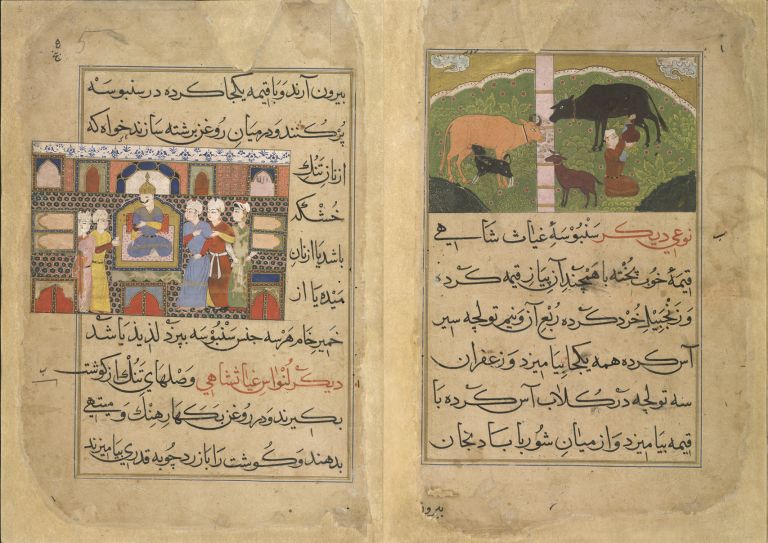
The samosa traces its roots to the Middle East and Central Asia, where early versions called sambosag or sanbusak were baked pastries filled with meat or nuts. These were mentioned in Arabic and Persian texts from the 10th to 13th centuries. The dish was brought to the Indian subcontinent by chefs from Central Asia in the 13th or 14th century, where it evolved into the deep-fried version popular today. Over time, samosas spread to many regions, adapting to local tastes and ingredients.
How is Samosa made?
To make a samosa, wheat flour is mixed into a dough, rolled out, and cut into shapes. The filling, often a blend of cooked potatoes, peas, onions, spices, and sometimes minced meat or cheese, is placed inside. The pastry is folded into a triangle or cone and sealed. Samosas are usually deep-fried in oil until crisp, though some versions are baked in an oven. The finished samosas are served hot, often with chutney or as part of a snack platter.


How and when is Samosa eaten?
Samosas are eaten as a snack, appetizer, or side dish, commonly found at street stalls, parties, and family gatherings. They are served hot, often with tangy chutneys made from tamarind, mint, or coriander. In some regions, samosas are part of chaat, a popular street food dish. They are enjoyed with tea, especially in the afternoon, and are also served at festivals and special occasions. In Nigeria and other West African countries, they are included in party platters called 'small chops.'
Kinds of Samosa
There are many regional versions of samosas. In India, vegetarian fillings are common, while in Hyderabad, a meat-filled version called lukhmi is popular. Bengali singara is smaller and may include peanuts or raisins. In Central Asia, samsa is baked in a tandoor and filled with meat. African samosas may be stuffed with fish or cheese. In the Middle East, sambousek can be filled with meat, cheese, or spinach. Sweet samosas and those made with filo or tortillas are also found.
What Samosa means
Samosas have become a symbol of snack culture in South Asia and are widely recognized in the Indian diaspora. They are enjoyed during festivals, religious occasions, and as everyday street food. In some Muslim communities, samosas are especially popular during Ramadan. The pastry has also been adapted into local cuisines in Africa, the Middle East, and Southeast Asia, reflecting its global appeal. In the UK and other Commonwealth countries, samosas are a familiar part of multicultural food scenes.
Questions people ask about Samosa
What is a samosa made of?
A samosa is made from a thin pastry of wheat flour, filled with a spiced mixture such as potatoes, peas, onions, lentils, or minced meat. Some versions use cheese or fish.
Where does the samosa come from?
The samosa originated in the Middle East and Central Asia, with early versions called sambosag. It was brought to South Asia in the 13th or 14th century and became popular there.
How is a samosa cooked?
Most samosas are deep-fried in oil until golden and crisp, but some regional types, especially in Central Asia, are baked in an oven or tandoor.
Are samosas always vegetarian?
No, samosas can be vegetarian or filled with meat, cheese, or fish, depending on the region and local preferences.
When are samosas usually eaten?
Samosas are eaten as a snack, at tea time, or as an appetizer. They are also served at festivals, parties, and religious occasions.
Good reading and sources
- Lovely trianglesHindustan Times, Article
- Why Somali fried dumplings deserve a place on your table and in your heartLos Angeles Times, Article
The facts on this page come from the Wikipedia article "Samosa", written by its contributors and used under the CC BY-SA 4.0 licence, and from its Wikidata record (CC0). Thali rewrote the text in its own words, with AI assistance, and compares every page with the article to make sure no passage is copied. It may be reused under the same CC BY-SA 4.0 licence with a link back.
It may contain mistakes, and it is not dietary or allergy advice: recipes differ from cook to cook. If something is wrong, tell us. Last refreshed 2026-10-03.
More from India
All the food of India Fish and chipsFish or seafood
🇬🇧 United Kingdom and 8 moreBattered fried fish served hot with thick-cut chips
Main dish, Lunch, Dinner
Fish and chipsFish or seafood
🇬🇧 United Kingdom and 8 moreBattered fried fish served hot with thick-cut chips
Main dish, Lunch, Dinner
 JalebiVegetarian
🇮🇳 India and 6 moreDeep-fried spirals of batter soaked in syrup, enjoyed across Asia and Africa
Pie or savoury pastry, Breakfast, Snacks
JalebiVegetarian
🇮🇳 India and 6 moreDeep-fried spirals of batter soaked in syrup, enjoyed across Asia and Africa
Pie or savoury pastry, Breakfast, Snacks
 ChapatiVeganचपाती
🇮🇳 India and 4 moreUnleavened flatbread cooked on a griddle and served hot with meals
Bread, Breakfast, Lunch
ChapatiVeganचपाती
🇮🇳 India and 4 moreUnleavened flatbread cooked on a griddle and served hot with meals
Bread, Breakfast, Lunch
Its cousins elsewhere
All pies and savoury pastries Empanada
🇪🇸 Spain and 5 morePastry turnovers filled with meat, cheese, or vegetables, baked or fried
Pie or savoury pastry, Lunch, Dinner
Empanada
🇪🇸 Spain and 5 morePastry turnovers filled with meat, cheese, or vegetables, baked or fried
Pie or savoury pastry, Lunch, Dinner
 Pie
🇬🇧 United Kingdom and 5 moreA baked dish with a pastry crust and sweet or savoury filling
Main dish, Lunch, Dinner
Pie
🇬🇧 United Kingdom and 5 moreA baked dish with a pastry crust and sweet or savoury filling
Main dish, Lunch, Dinner
 Quiche
🇫🇷 FranceFrench tart with a savoury custard filling in a pastry case
Pie or savoury pastry
Quiche
🇫🇷 FranceFrench tart with a savoury custard filling in a pastry case
Pie or savoury pastry
 Pastillaبسطيلة
🇲🇦 Morocco and 2 moreNorth African pie with layers of thin pastry and a savory or sweet filling
Main dish, Dinner, Lunch
Pastillaبسطيلة
🇲🇦 Morocco and 2 moreNorth African pie with layers of thin pastry and a savory or sweet filling
Main dish, Dinner, Lunch