
Sandwich
Fillings layered between slices of bread or laid atop an open slice
A sandwich is a versatile dish made with ingredients like meat, cheese, or vegetables held between slices of bread or placed on a single slice. Originating in eighteenth-century England, it is eaten across the globe as an easy lunch, packed meal, or quick bite.
- Named after John Montagu, the 18th-century Earl of Sandwich who wanted portable food while gambling or working
- Pre-packaged chilled sandwiches in sealed wedge cartons became a commercial phenomenon starting in 1979
- Traditionally eaten out of hand without utensils, making it an enduring staple of packed lunches worldwide
- Early English texts referred to similar simple combinations plainly as bread and meat or bread and cheese
What is Sandwich?
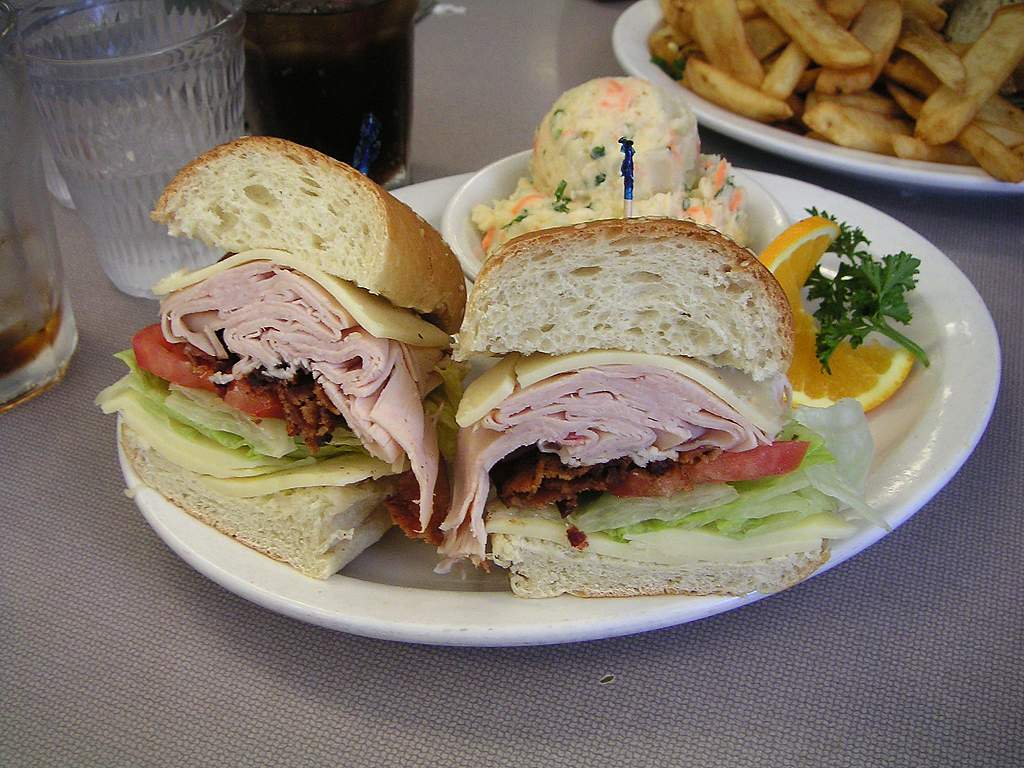
A sandwich relies on bread to hold or wrap other foods. Most often, fillings such as cured meats, cheeses, crisp greens, or roasted beef sit between two slices of a loaf. The bread can be eaten dry or spread with condiments like mustard and mayonnaise to lend moisture and rich flavour. An open sandwich leaves the top exposed, resting all toppings across a single slice. While savoury versions are the most common everyday sight, sweet variations filled with jam or other confectionery spreads are also widely enjoyed.
Where does Sandwich come from?
Enclosing food in bread has ancient roots across diverse societies. In the first century BC, Hillel the Elder rolled lamb and bitter herbs inside flat matzah for Passover. Medieval Europeans dined off trenchers, which were dense slabs of stale bread used as edible platters. By seventeenth-century Holland, taverns served buttered bread crowned with thin slivers of hung beef. The dish earned its modern English name from John Montagu, the fourth Earl of Sandwich, during the eighteenth century. Legend holds he requested cold beef between toast while playing cards so he could eat cleanly without leaving the gambling table, though he may equally have eaten it while working late at his office desk.
How is Sandwich made?
Making a sandwich begins with bread, either pre-sliced from a standard loaf, split from rolls, or toasted. A fat or sauce, such as butter, mayonnaise, or prepared mustard, is spread over the crumb to add flavour and stop juices from soaking through. Fillings are arranged in even layers: sliced deli meats, cheeses, and salad vegetables like lettuce, tomato, or avocado. The top slice is pressed into place, and the assembled piece is often cut diagonally or straight across into halves for easy handling.


How and when is Sandwich eaten?
Sandwiches are a quintessential lunch food. They are carried inside lunchboxes to schools and offices or packed into baskets for outdoor picnics. People eat them out of hand without cutlery, making them ideal for hurried meals on the move. They are served hot or chilled, sold ready-to-eat in railway buffets, corner shops, and sandwich bars, or prepared quickly at home for evening suppers and late-night snacks.
Kinds of Sandwich
Regional styles differ in the bread and naming conventions they use. In Britain and Australia, the term usually applies strictly to sliced sandwich loaves, while filled whole buns are known as rolls or baps. Colloquial names abound, such as the northern English butty for warm chip or bacon fillings, the Scottish piece, and the Australian sanger. Spanish speakers distinguish sliced-bread sandwiches from a crusty roll bocadillo or Mexican torta, while in Japan they are called sando. In the United States, commercial and legal bodies debate whether wraps, hot dogs, and burritos qualify under the broader definition.
What Sandwich means
During the Industrial Revolution, the sandwich transformed from an aristocratic novelty into an indispensable, cheap fuel for British labourers. Urban street peddlers once sold ham sandwiches by the dozens across Victorian London. By the late twentieth century, pre-packaged chilled triangular wedges revolutionized retail dining, turning commercial sandwich production into a multi-billion-pound enterprise in the United Kingdom.
Questions people ask about Sandwich
What is a sandwich made of?
It typically consists of bread enclosing fillings such as sliced meats, cheese, vegetables, and condiments. Sweet versions may feature jams or sweet spreads, and open sandwiches use only a single bottom slice.
Where does the sandwich come from?
The modern name and popular format originated in eighteenth-century England, named after John Montagu, the fourth Earl of Sandwich, though using bread to hold or wrap food dates back to antiquity across multiple cultures.
Can a sandwich be served hot?
Yes. While many common versions are prepared and eaten cold, sandwiches can also feature hot cooked meats or toasted bread, such as grilled steak sandwiches.
What is an open sandwich?
An open sandwich features toppings arranged on top of a single slice of bread rather than enclosed between two slices.
Good reading and sources
- Encyclopaedia BritannicaArticle
- How the sandwich consumed BritainThe Guardian, Article
- Sandwich celebrates 250th anniversary of the sandwichBBC, Article
The facts on this page come from the Wikipedia article "Sandwich", written by its contributors and used under the CC BY-SA 4.0 licence, and from its Wikidata record (CC0). EveryThali rewrote the text in its own words, with AI assistance, and compares every page with the article to make sure no passage is copied. It may be reused under the same CC BY-SA 4.0 licence with a link back.
It may contain mistakes, and it is not dietary or allergy advice: recipes differ from cook to cook. If something is wrong, tell us. Last refreshed 2026-10-04.
More from the United Kingdom
All the food of the United Kingdom Scone
🇬🇧 United Kingdom and 5 moreA quick bread, sweet or savoury, served with tea in Britain and beyond
Bread, Tea time, Breakfast
Scone
🇬🇧 United Kingdom and 5 moreA quick bread, sweet or savoury, served with tea in Britain and beyond
Bread, Tea time, Breakfast
 Roast beefMeat
🇬🇧 United Kingdom and 1 moreBeef roasted whole and sliced, served hot or cold as a main dish or sandwich filling
Main dish, Lunch, Dinner
Roast beefMeat
🇬🇧 United Kingdom and 1 moreBeef roasted whole and sliced, served hot or cold as a main dish or sandwich filling
Main dish, Lunch, Dinner
 Soda breadVegetarian
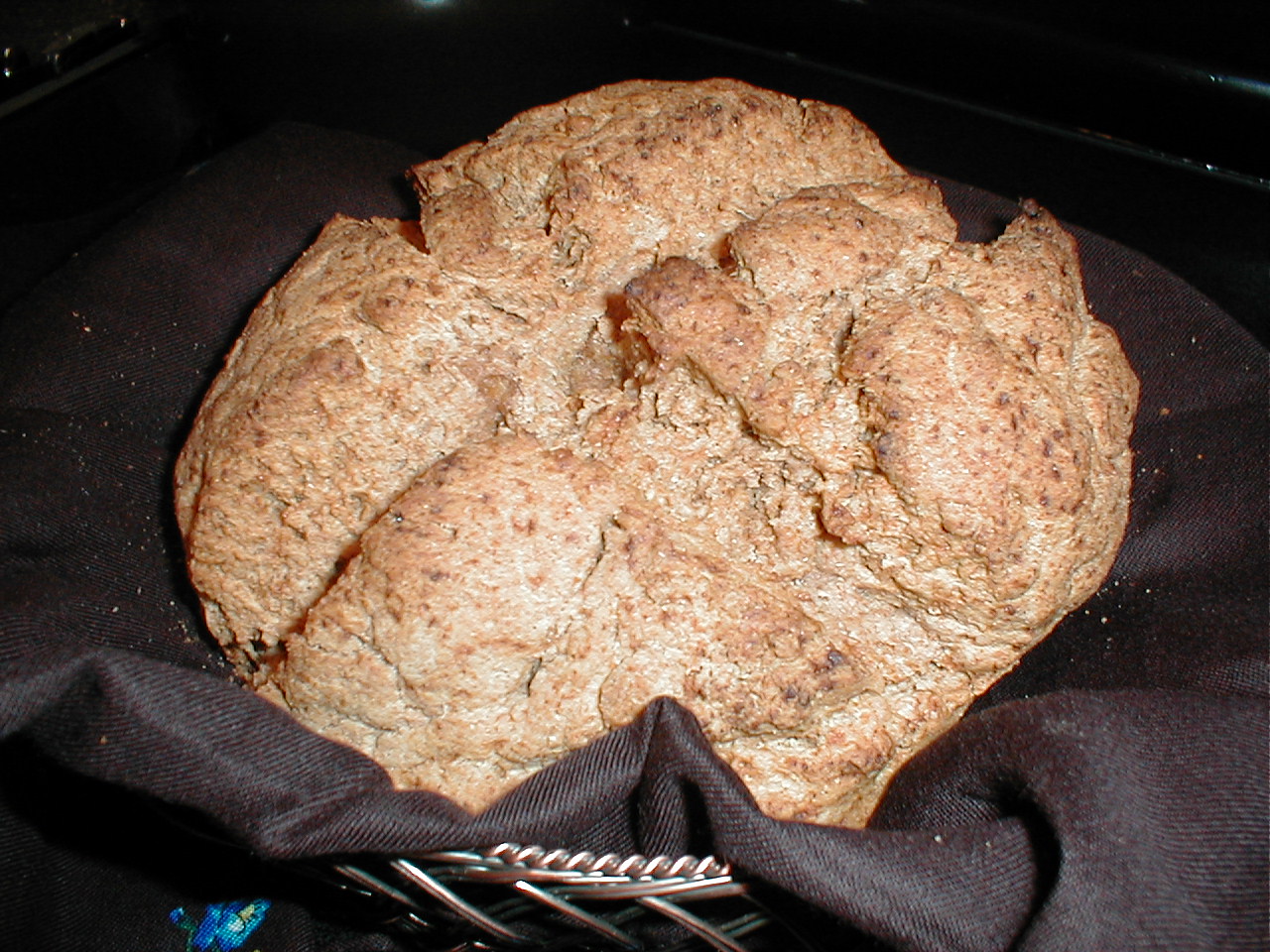
🇮🇪 Ireland and 4 moreQuick bread made with flour, baking soda, salt, and buttermilk
Bread
Soda breadVegetarian
🇮🇪 Ireland and 4 moreQuick bread made with flour, baking soda, salt, and buttermilk
Bread
 BLTMeat
🇺🇸 United States and 1 moreA sandwich filled with bacon, lettuce, and tomato, often with mayonnaise
Sandwich or wrap, Lunch, Snacks
BLTMeat
🇺🇸 United States and 1 moreA sandwich filled with bacon, lettuce, and tomato, often with mayonnaise
Sandwich or wrap, Lunch, Snacks
Its cousins elsewhere
All sandwiches and wraps ShawarmaMeatشاورما
🇸🇾 Syria and 5 moreMeat roasted on a vertical spit and sliced into flatbread with sauces and vegetables
Street food, Lunch, Dinner
ShawarmaMeatشاورما
🇸🇾 Syria and 5 moreMeat roasted on a vertical spit and sliced into flatbread with sauces and vegetables
Street food, Lunch, Dinner
 HamburgerMeat
🇺🇸 United States and 1 moreA hot ground meat patty in a sliced bun, often with salad and sauces
Main dish, Lunch, Dinner
HamburgerMeat
🇺🇸 United States and 1 moreA hot ground meat patty in a sliced bun, often with salad and sauces
Main dish, Lunch, Dinner
 Hot dogMeat
🇺🇸 United States and 2 moreA sausage in a sliced bun, topped with condiments and eaten hot
Street food, Lunch, Dinner
Hot dogMeat
🇺🇸 United States and 2 moreA sausage in a sliced bun, topped with condiments and eaten hot
Street food, Lunch, Dinner
 CheeseburgerMeat
🇺🇸 United StatesA hamburger topped with melted cheese, often with lettuce, tomato and condiments
Main dish, Lunch, Dinner
CheeseburgerMeat
🇺🇸 United StatesA hamburger topped with melted cheese, often with lettuce, tomato and condiments
Main dish, Lunch, Dinner