
Sauerbraten
German pot roast marinated in vinegar or wine and spices, served with rich gravy
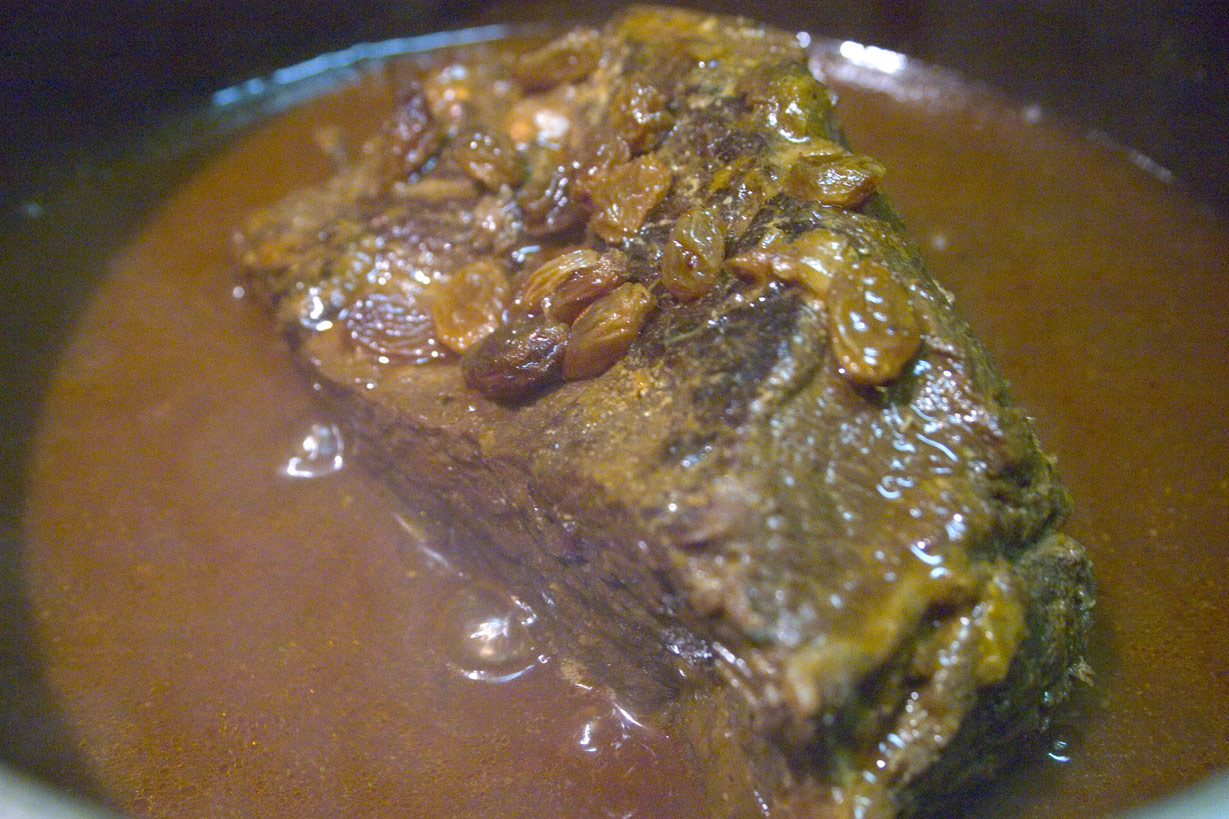
Sauerbraten is a German pot roast made by marinating meat, usually beef, in a mixture of wine or vinegar, spices, and vegetables for several days before slow-cooking. This dish is considered a national specialty in Germany and is often served with potato dumplings, pancakes, or Spätzle, accompanied by a thick, flavorful gravy.
- Meat is marinated for up to two weeks before cooking
- Beef is most common, but venison and horse are also used
- Served with potato dumplings, pancakes, or Spätzle
- Rhineland version adds raisins and sugar beet syrup
- Gravy is often thickened with gingerbread or gingersnaps
What is Sauerbraten?
Sauerbraten is a pot roast where meat, most often beef, is soaked for days in a marinade of wine or vinegar, aromatic spices, and vegetables. The marinade deeply flavors and tenderizes the meat, which is then slowly braised until soft. The finished roast is served with a thick, tangy gravy made from the cooking juices, sometimes thickened with gingerbread or gingersnaps. It is commonly paired with potato dumplings, pancakes, or egg noodles. The taste balances sour, savory, and sometimes sweet notes, depending on the region.
Where does Sauerbraten come from?
Sauerbraten is widely seen as a national dish of Germany, with roots in German-speaking regions. Its name means 'sour roast' in German. Legends link its origins to Julius Caesar sending marinated beef to Cologne, and to Charlemagne using it as a way to preserve leftover meat, though these stories are not proven. The dish became popular in the Middle Ages, with Saint Albertus Magnus credited for spreading it in the 13th century. Over time, it became a staple across Germany, with each region developing its own version.
How is Sauerbraten made?
To make sauerbraten, a solid cut of beef such as rump or bottom round is placed in a marinade of wine or vinegar, water, spices like peppercorns and juniper, and vegetables such as onions, carrots, and celery. The meat soaks for several days, sometimes up to two weeks, in a non-metal container. After marinating, the meat is browned in fat, then braised with the strained marinade until tender. The cooking liquid is thickened, often with flour or crushed gingerbread, to create a rich gravy.


How and when is Sauerbraten eaten?
Sauerbraten is usually served as a main course for lunch or dinner. It is almost always accompanied by potato dumplings, potato pancakes, or Spätzle, which help soak up the gravy. The dish is enjoyed both at home and in restaurants, especially those serving traditional German food. Beer is the classic drink with sauerbraten, but it also pairs well with certain wines. It is eaten year-round as an everyday meal, not tied to a specific festival.
Kinds of Sauerbraten
Regional differences in sauerbraten come from the marinade and accompaniments. In the Rhineland, raisins and sugar beet syrup are added for a sweet-sour taste. Some areas use red wine, especially those near France, while eastern regions prefer vinegar. Buttermilk is used in certain local recipes. The meat can be beef, venison, or even horse in some places. Each area has its own traditions for what to serve on the side.
What Sauerbraten means
Sauerbraten is considered a symbol of German home cooking and national identity. It is often found in German-style restaurants abroad. The dish is not tied to a particular holiday or religious event but is a fixture of family meals and gatherings. Packaged seasonings and ready-made versions are available, showing its popularity. Its reputation as a national dish makes it a point of pride in German culinary culture.
Questions people ask about Sauerbraten
What is Sauerbraten made of?
Sauerbraten is made from beef or other meats marinated in wine or vinegar, spices, and vegetables, then slowly braised and served with a thick gravy.
Where does Sauerbraten come from?
Sauerbraten comes from Germany and is considered a national dish, with regional versions found throughout the country.
How is Sauerbraten served?
It is served as a main course, usually with potato dumplings, pancakes, or Spätzle, and a rich, tangy gravy.
What does the marinade do?
The marinade, made of wine or vinegar, spices, and vegetables, tenderizes the meat and gives it a deep, sour-sweet flavor.
Are there different types of Sauerbraten?
Yes, regional versions use different marinades and sides. The Rhineland style adds raisins and syrup, and some areas use venison or horse meat.
Good reading and sources
The facts on this page come from the Wikipedia article "Sauerbraten", written by its contributors and used under the CC BY-SA 4.0 licence, and from its Wikidata record (CC0). Thali rewrote the text in its own words, with AI assistance, and compares every page with the article to make sure no passage is copied. It may be reused under the same CC BY-SA 4.0 licence with a link back.
It may contain mistakes, and it is not dietary or allergy advice: recipes differ from cook to cook. If something is wrong, tell us. Last refreshed 2026-10-03.
More from Germany
All the food of Germany HamburgerMeat
🇺🇸 United States and 1 moreA hot ground meat patty in a sliced bun, often with salad and sauces
Main dish, Lunch, Dinner
HamburgerMeat
🇺🇸 United States and 1 moreA hot ground meat patty in a sliced bun, often with salad and sauces
Main dish, Lunch, Dinner
 Hot dogMeat
🇺🇸 United States and 2 moreA sausage in a sliced bun, topped with condiments and eaten hot
Street food, Lunch, Dinner
Hot dogMeat
🇺🇸 United States and 2 moreA sausage in a sliced bun, topped with condiments and eaten hot
Street food, Lunch, Dinner
 Peking duckMeat北京烤鸭
🇨🇳 China and 4 moreCrisp-skinned roast duck from Beijing, carved and served with pancakes and condiments
Main dish, Dinner, Lunch
Peking duckMeat北京烤鸭
🇨🇳 China and 4 moreCrisp-skinned roast duck from Beijing, carved and served with pancakes and condiments
Main dish, Dinner, Lunch
 Doner kebab
🇹🇷 Turkey and 5 moreMeat roasted on a vertical spit, sliced and served in bread or on a plate
Main dish, Lunch, Dinner
Doner kebab
🇹🇷 Turkey and 5 moreMeat roasted on a vertical spit, sliced and served in bread or on a plate
Main dish, Lunch, Dinner
Its cousins elsewhere
All main dishes Pilaf
🇺🇿 Uzbekistan and 5 moreRice cooked in stock with spices, meat or vegetables, with each grain kept separate
Main dish, Lunch, Dinner
Pilaf
🇺🇿 Uzbekistan and 5 moreRice cooked in stock with spices, meat or vegetables, with each grain kept separate
Main dish, Lunch, Dinner
 Inihaw
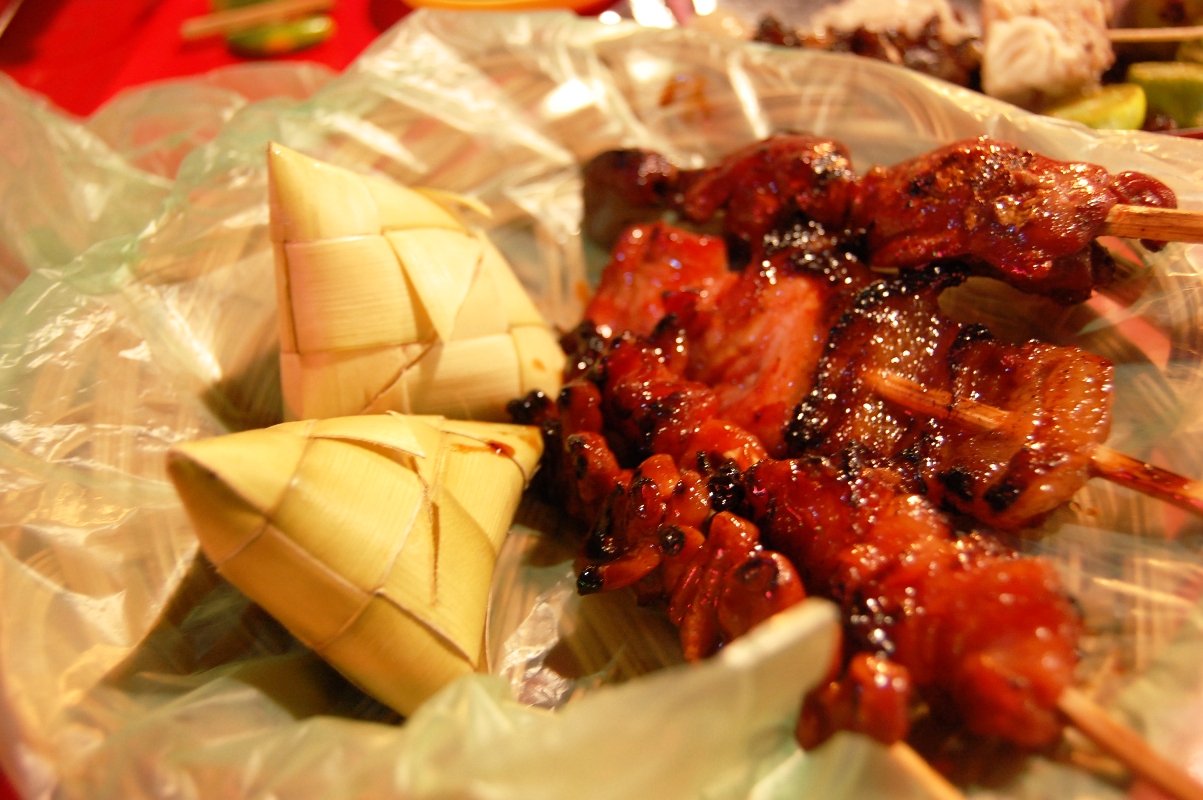
🇵🇭 PhilippinesGrilled meats and seafood, often on skewers, from the Philippines
Main dish, Lunch, Dinner
Inihaw
🇵🇭 PhilippinesGrilled meats and seafood, often on skewers, from the Philippines
Main dish, Lunch, Dinner
 Lentil soupVegan
🇪🇬 Egypt and 5 moreA hearty soup made from lentils, often with vegetables and spices
Soup, Lunch, Dinner
Lentil soupVegan
🇪🇬 Egypt and 5 moreA hearty soup made from lentils, often with vegetables and spices
Soup, Lunch, Dinner
 Japanese curryMeatカレー
🇯🇵 Japan and 2 moreA thick, mildly spiced curry sauce served with rice, noodles or bread
Main dish, Lunch, Dinner
Japanese curryMeatカレー
🇯🇵 Japan and 2 moreA thick, mildly spiced curry sauce served with rice, noodles or bread
Main dish, Lunch, Dinner