
Shahan ful
Fava beans cooked to a paste and served with bread and toppings
Shahan ful is a breakfast dish from Sudan and the Horn of Africa, made by simmering fava beans until soft and mashing them into a coarse paste. It is served with toppings like green onions, tomatoes, hot peppers, yogurt, feta cheese, olive oil, and spices, often eaten with bread and without utensils. The dish is especially popular during Ramadan and Lent.
- Made by simmering and mashing fava beans
- Commonly eaten for breakfast in Sudan and the Horn of Africa
- Served with toppings like green onions, tomatoes, and olive oil
- Popular during Ramadan and Lent
- Eaten with bread, often without utensils
What is Shahan ful?
Shahan ful is a dish of fava beans that are slowly cooked in water until soft, then mashed into a thick, coarse paste. The beans are served with a range of toppings, such as chopped green onions, tomatoes, hot green peppers, yogurt, feta cheese, olive oil, lemon juice, and spices like cumin and chili pepper. Sometimes berbere, a spice blend, or tesmi, a spiced clarified butter, are added. The dish is usually eaten with bread, using the bread to scoop up the beans and toppings. Its taste is earthy and savory, with fresh and spicy notes from the garnishes.
Where does Shahan ful come from?
Shahan ful is believed to have originated in Sudan and is now common throughout the Horn of Africa, including South Sudan, Somalia, Ethiopia, and Eritrea. The dish shares similarities with ful medames, a well-known Egyptian preparation of fava beans, but has its own regional toppings and style. Over time, Shahan ful has become a staple breakfast and main meal in these countries, especially in urban areas and during religious seasons.
How is Shahan ful made?
To prepare Shahan ful, dried fava beans are simmered in water until they become very soft. The beans are then mashed into a coarse paste, either by hand or with a utensil. The paste is transferred to a serving dish and topped with ingredients such as chopped green onions, tomatoes, hot green peppers, yogurt, feta cheese, olive oil, lemon juice, cumin, and chili pepper. Sometimes berbere or tesmi is added for extra flavor. The dish is served with bread, which is used to scoop up the beans and toppings.
How and when is Shahan ful eaten?
Shahan ful is most often eaten for breakfast but can also be served as a main meal. It is typically enjoyed without utensils, with diners using pieces of bread to pick up the beans and toppings. The dish is popular during religious periods such as Ramadan and Lent, as it is filling and meat-free. It is commonly shared among family or friends, often as part of a communal meal.
Kinds of Shahan ful
There are many ways to serve Shahan ful, depending on local taste and available ingredients. Some versions include more or fewer toppings, such as only olive oil and cumin, while others add yogurt, feta cheese, or spicy berbere. In some places, niter kibbeh, a spiced clarified butter, is used instead of or alongside olive oil. The choice of bread and the mix of vegetables or spices can also vary by region.
What Shahan ful means
Shahan ful holds a special place as a daily and festive food in Sudan and neighboring countries. It is especially important during Ramadan and Lent, when it is eaten to break fasts. The dish is a symbol of hospitality and is often served to guests. Its communal style of eating, with bread and shared toppings, reflects local customs of sharing and togetherness.
When Shahan ful is on the table
Questions people ask about Shahan ful
What is Shahan ful made of?
Shahan ful is made from fava beans that are cooked until soft, then mashed and served with toppings such as green onions, tomatoes, hot peppers, yogurt, feta cheese, olive oil, lemon juice, cumin, and sometimes berbere or tesmi.
Where does Shahan ful come from?
Shahan ful is believed to have originated in Sudan and is now common in South Sudan, Somalia, Ethiopia, Eritrea, and other parts of the Horn of Africa.
When is Shahan ful usually eaten?
It is most often eaten for breakfast but can also be served as a main meal. It is especially popular during Ramadan and Lent.
How is Shahan ful eaten?
Shahan ful is typically eaten without utensils, using bread to scoop up the mashed beans and toppings. It is often shared among several people.
Is Shahan ful vegetarian?
Yes, Shahan ful is vegetarian, as it is made from fava beans and plant-based toppings, though it may include dairy like yogurt or feta cheese.
Good reading and sources
The facts on this page come from the Wikipedia article "Shahan ful", written by its contributors and used under the CC BY-SA 4.0 licence, and from its Wikidata record (CC0). Thali rewrote the text in its own words, with AI assistance, and compares every page with the article to make sure no passage is copied. It may be reused under the same CC BY-SA 4.0 licence with a link back.
It may contain mistakes, and it is not dietary or allergy advice: recipes differ from cook to cook. If something is wrong, tell us. Last refreshed 2026-10-03.
More from Sudan
All the food of Sudan Ful medamesVeganفول مدمس
🇪🇬 Egypt and 5 moreStew of slow-cooked fava beans with olive oil and spices, a staple across Egypt
Main dish, Breakfast
Ful medamesVeganفول مدمس
🇪🇬 Egypt and 5 moreStew of slow-cooked fava beans with olive oil and spices, a staple across Egypt
Main dish, Breakfast
 JalebiVegetarian
🇮🇳 India and 6 moreDeep-fried spirals of batter soaked in syrup, enjoyed across Asia and Africa
Pie or savoury pastry, Breakfast, Snacks
JalebiVegetarian
🇮🇳 India and 6 moreDeep-fried spirals of batter soaked in syrup, enjoyed across Asia and Africa
Pie or savoury pastry, Breakfast, Snacks
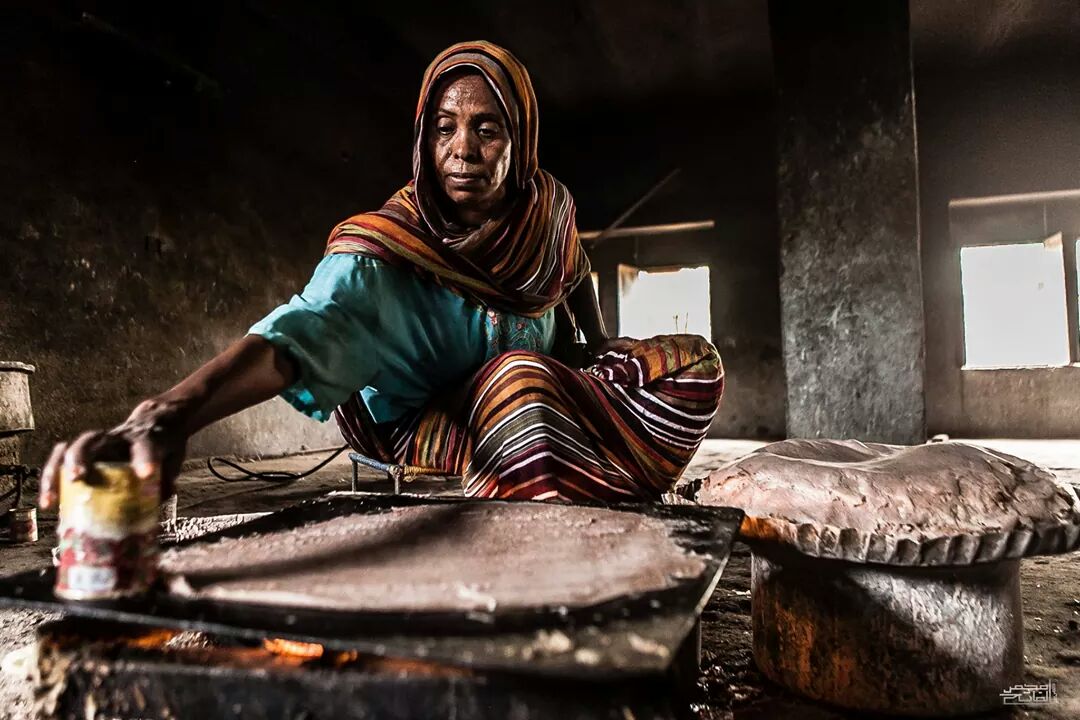 KisraVegan
🇸🇩 Sudan and 5 moreA thin, fermented sorghum flatbread from Sudan and neighboring countries
Bread
KisraVegan
🇸🇩 Sudan and 5 moreA thin, fermented sorghum flatbread from Sudan and neighboring countries
Bread
Its cousins elsewhere
All main dishes RatatouilleVegan
🇫🇷 FranceA Provençal stew of summer vegetables cooked in olive oil
Main dish, Lunch, Dinner
RatatouilleVegan
🇫🇷 FranceA Provençal stew of summer vegetables cooked in olive oil
Main dish, Lunch, Dinner
 Paella
🇪🇸 Spain and 1 moreRice cooked with meat, seafood or vegetables in a wide shallow pan from Valencia
Main dish, Lunch
Paella
🇪🇸 Spain and 1 moreRice cooked with meat, seafood or vegetables in a wide shallow pan from Valencia
Main dish, Lunch
 RajmaVegetarian
🇮🇳 India and 2 moreKidney beans stewed with spices, often served with rice in North India and Nepal
Main dish, Lunch, Dinner
RajmaVegetarian
🇮🇳 India and 2 moreKidney beans stewed with spices, often served with rice in North India and Nepal
Main dish, Lunch, Dinner
 Cataplana
🇵🇹 PortugalSeafood and meat stew cooked in a sealed metal vessel from Portugal's Algarve
Main dish, Lunch, Dinner
Cataplana
🇵🇹 PortugalSeafood and meat stew cooked in a sealed metal vessel from Portugal's Algarve
Main dish, Lunch, Dinner