
Ssam
In its own language: 쌈
Korean bite-sized wraps with meat, rice or vegetables in leafy greens or seaweed
Ssam is a Korean dish where fillings like meat, rice, or seafood are wrapped in leaves or seaweed. It is often served with condiments such as ssamjang and banchan like kimchi, and is made to be eaten in one bite. Ssam has roots in Buddhist traditions and is enjoyed both at festivals and in daily meals.
- Ssam means 'wrapped' in Korean
- Commonly uses lettuce or seaweed as the wrap
- Often served with ssamjang, a savory dipping sauce
- Bite-sized to prevent spilling
- Eaten during the Daeboreum festival for good luck
What is Ssam?
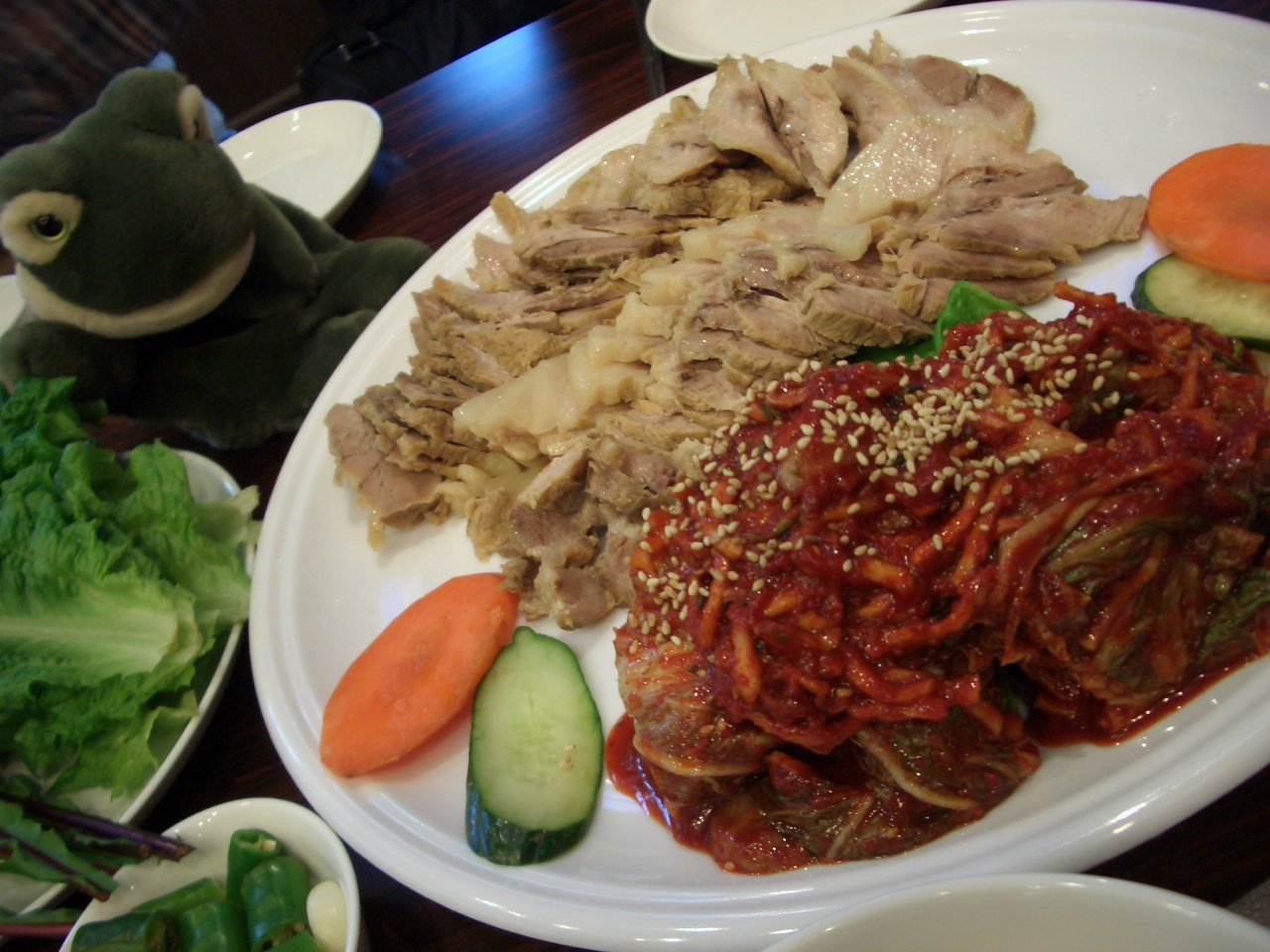
Ssam refers to a variety of Korean dishes where food is wrapped in something edible, usually a leafy vegetable or seaweed. The most common fillings are pork or other meats, but rice, seafood, or even nuts can be used. Ssam is often served with ssamjang, a thick, savory sauce, and topped with extras like garlic, onion, or kimchi. Each wrap is made small enough to eat in a single bite, keeping the fillings from spilling. The wraps can be made with raw or blanched leaves, dried seaweed, or even thin wheat crepes.
Where does Ssam come from?
Ssam has its roots in Korea’s Goryeo period, when Buddhist customs discouraged eating meat and encouraged vegetable-based dishes. Historical records and poems from that era describe people wrapping rice in raw vegetables, praising the aroma of local greens. Ssam later became a festive food, especially during Daeboreum, the first full moon of the lunar year, when people ate bokssam, or 'fortune ssam', for good luck. Over time, it became a regular part of Korean meals and etiquette, with specific customs for how to wrap and eat it politely.
How is Ssam made?
To make ssam, a piece of leafy vegetable or seaweed is laid flat and topped with a small amount of filling, such as meat, rice, or seafood. Condiments like ssamjang or gochujang (chili paste) are added, along with toppings such as garlic, onion, or kimchi. The wrap is folded or rolled into a bite-sized bundle. Various leaves can be used, including lettuce, cabbage, perilla, or pumpkin leaves, and sometimes seaweed or thin wheat crepes. Some versions use blanched leaves or even dried persimmon for wrapping.



How and when is Ssam eaten?
Ssam is usually eaten at lunch or dinner, often as part of a shared meal. Each person assembles their own wraps at the table, choosing from an array of fillings and toppings. It is common to eat ssam with banchan (small side dishes) and sauces. The wraps are designed to be eaten in one bite, and etiquette suggests making them small and neat. Ssam is enjoyed both on special occasions, like Daeboreum, and as an everyday meal.
Kinds of Ssam
There are many types of ssam, depending on the wrap or filling. Sangchu ssam uses lettuce, while baechu ssam uses napa cabbage. Kkaenip ssam features perilla leaves, and gimssam uses dried seaweed. Some versions wrap seafood or even nuts, like gotgam ssam, which is walnuts in dried persimmon. Bossam is a popular type with steamed pork, and ssambap includes rice in the wrap. Modern and regional varieties use different leaves, fillings, and sauces.
What Ssam means
Ssam holds cultural significance in Korea, especially during the festival of Daeboreum, when eating bokssam is believed to bring good fortune. It is mentioned in historical texts and poetry, reflecting its long-standing place in Korean food traditions. Ssam is also associated with etiquette, with advice on polite ways to assemble and eat the wraps. In recent years, ssam has begun to appear in restaurants outside Korea, introducing its customs and flavors to a wider audience.
When Ssam is on the table
Questions people ask about Ssam
What is ssam made of?
Ssam is made by wrapping fillings like meat, rice, or seafood in leaves such as lettuce, cabbage, perilla, or seaweed. It is usually served with condiments like ssamjang and toppings such as garlic, onion, or kimchi.
Where does ssam come from?
Ssam comes from Korea and has roots in the Goryeo period, where it developed as a vegetable-based dish influenced by Buddhist customs. It remains an important part of Korean cuisine.
How is ssam eaten?
Ssam is eaten by assembling a bite-sized wrap at the table, using a leaf or seaweed to hold the filling and toppings. Each wrap is eaten in one bite, often with banchan and dipping sauces.
Are there vegetarian versions of ssam?
Yes, ssam can be made with only rice, vegetables, and sauces, making it suitable for vegetarians. The wrap and fillings can be adjusted based on preference.
Is ssam eaten on special occasions?
Ssam is enjoyed both as an everyday meal and during festivals like Daeboreum, when a special version called bokssam is eaten for good luck.
Good reading and sources
The facts on this page come from the Wikipedia article "Ssam", written by its contributors and used under the CC BY-SA 4.0 licence, and from its Wikidata record (CC0). Thali rewrote the text in its own words, with AI assistance, and compares every page with the article to make sure no passage is copied. It may be reused under the same CC BY-SA 4.0 licence with a link back.
It may contain mistakes, and it is not dietary or allergy advice: recipes differ from cook to cook. If something is wrong, tell us. Last refreshed 2026-10-03.
More from South Korea
All the food of South Korea KabochaVeganカボチャ
🇯🇵 Japan and 5 moreA sweet, dense winter squash with edible skin, used in Japanese and Asian cooking
Main dish, Lunch, Dinner
KabochaVeganカボチャ
🇯🇵 Japan and 5 moreA sweet, dense winter squash with edible skin, used in Japanese and Asian cooking
Main dish, Lunch, Dinner
 Bibimbap비빔밥
🇰🇷 South Korea and 1 moreKorean rice bowl with mixed vegetables, meat, egg and chili paste
Main dish, Lunch, Dinner
Bibimbap비빔밥
🇰🇷 South Korea and 1 moreKorean rice bowl with mixed vegetables, meat, egg and chili paste
Main dish, Lunch, Dinner
 Udonうどん / 饂飩
🇯🇵 Japan and 4 moreThick wheat noodles served hot or cold in Japanese cooking
Noodle or pasta dish, Lunch, Dinner
Udonうどん / 饂飩
🇯🇵 Japan and 4 moreThick wheat noodles served hot or cold in Japanese cooking
Noodle or pasta dish, Lunch, Dinner
Its cousins elsewhere
All main dishes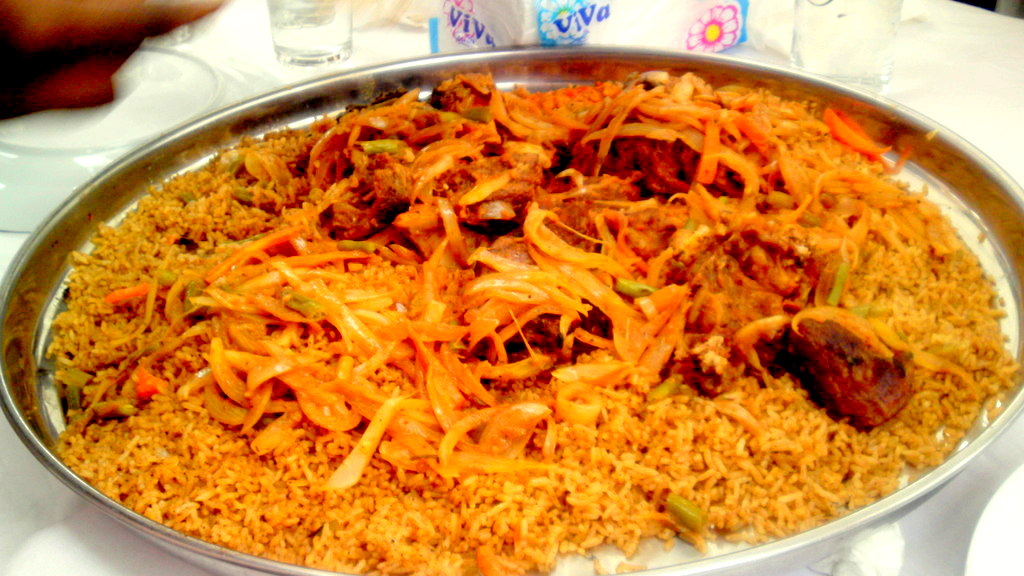 Riz grasMeat
🇧🇫 Burkina Faso and 4 moreWest African rice cooked with meat and vegetables, served hot
Main dish, Lunch, Dinner
Riz grasMeat
🇧🇫 Burkina Faso and 4 moreWest African rice cooked with meat and vegetables, served hot
Main dish, Lunch, Dinner
 Rice and beans
🇧🇷 Brazil and 5 moreRice and seasoned beans served together in many regions, often as a main meal
Main dish, Breakfast, Lunch
Rice and beans
🇧🇷 Brazil and 5 moreRice and seasoned beans served together in many regions, often as a main meal
Main dish, Breakfast, Lunch
 PelauMeat
🇹🇹 Trinidad and Tobago and 1 moreA one-pot rice and meat dish from the Caribbean, darkened with caramelised sugar
Main dish, Lunch, Dinner
PelauMeat
🇹🇹 Trinidad and Tobago and 1 moreA one-pot rice and meat dish from the Caribbean, darkened with caramelised sugar
Main dish, Lunch, Dinner
 Peanut stew
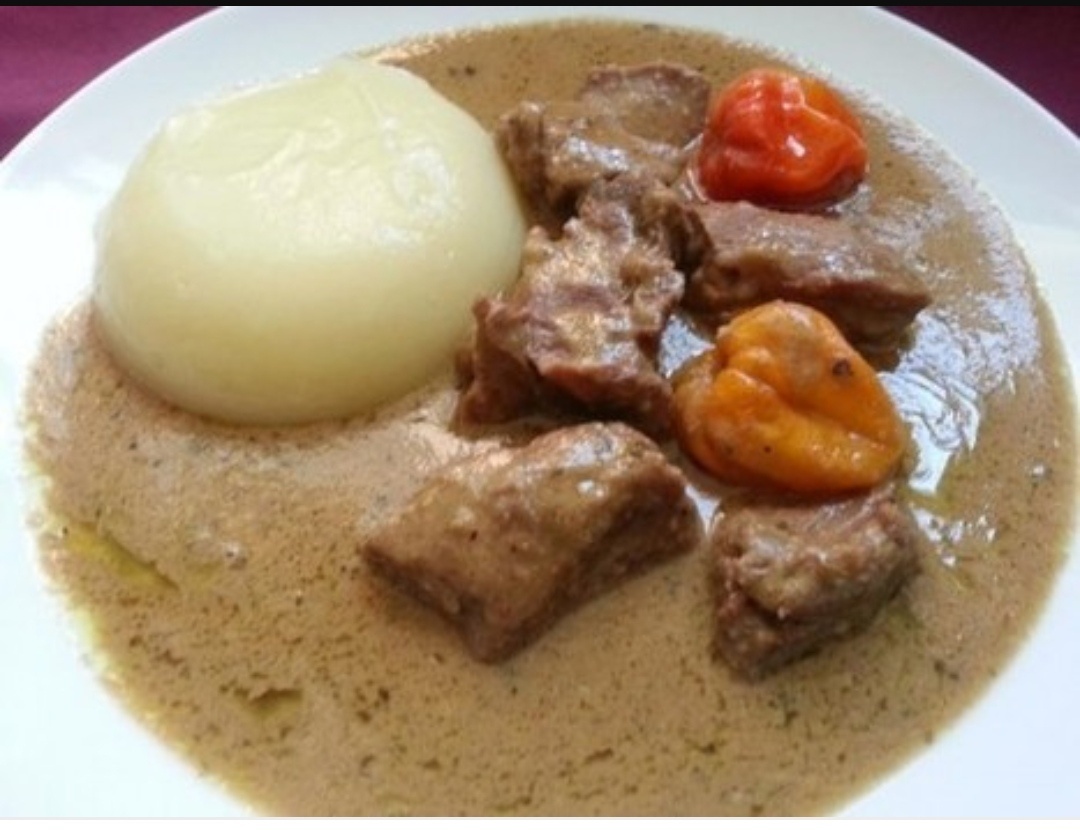
🇸🇳 Senegal and 5 moreA rich West African stew of meat and vegetables in a spiced peanut sauce
Stew or curry, Lunch, Dinner
Peanut stew
🇸🇳 Senegal and 5 moreA rich West African stew of meat and vegetables in a spiced peanut sauce
Stew or curry, Lunch, Dinner