
Tehri
Spiced yellow rice cooked with vegetables, lentil dumplings and sometimes meat
Tehri is a spiced yellow rice dish from the Awadh region of Uttar Pradesh, India. It combines rice with vegetables, sun-dried lentil dumplings (vadi), spices, and sometimes meat. The dish is served hot, often as a main course, and has historical roots in ancient Indian cookbooks.
- Tehri is a spiced yellow rice dish from Awadh, Uttar Pradesh
- It uses rice, vegetables, and sun-dried lentil dumplings called vadi
- Some versions include meat or potatoes
- The dish is mentioned in Sanskrit cookbooks from as early as 1200 CE
What is Tehri?
Tehri is a rice dish known for its yellow color and spiced flavor. The rice is cooked with a mix of vegetables and sun-dried lentil dumplings, which are called vadi, badi, wadi or bori depending on the region. Some versions include meat, while others are vegetarian. Spices like turmeric, ginger, and asafoetida give the dish its aroma and color. Ghee, a type of clarified butter, is often used to cook the ingredients. The result is a hearty, aromatic main course that can be adapted to what is available locally.
Where does Tehri come from?
Tehri comes from the Awadh region in Uttar Pradesh, India. Its name is linked to the Sanskrit word tāpaharī, which refers to a rice dish with dal chunks and vegetables cooked in ghee and spices, especially turmeric. Ancient texts like Pakadarpana (1200 CE) and Bhojanakutūhala (1675 CE) describe similar preparations, sometimes including hen meat or serving the rice with fried lentil fritters. The dish’s technique and ingredients have varied over time, but the base of spiced rice with vegetables and lentil dumplings remains central.
How is Tehri made?
To make Tehri, rice is simmered with a blend of spices such as turmeric, ginger, and asafoetida. Vegetables are added, and sun-dried lentil dumplings (vadi) are mixed in. Sometimes, pieces of meat are included, depending on the version. Ghee is used for cooking, which adds richness. The mixture is cooked until the rice is tender and the flavors are absorbed. In some versions, potatoes are added along with other vegetables. The dish is served hot, often as a main meal.
How and when is Tehri eaten?
Tehri is usually eaten hot for lunch or dinner. It is served as a main course, sometimes accompanied by a simple salad like kachumbar (a mix of chopped vegetables). The dish is flexible and can be made vegetarian or with meat, fitting different preferences and occasions. It is a common everyday meal in the regions where it is popular, and can be enjoyed on its own or with side dishes like fried fritters or yoghurt.
Kinds of Tehri
Regional versions of Tehri differ in the choice of vegetables and whether meat is included. In some places, potatoes are a key addition. The type of lentil dumpling used may also vary, and the dish can be adapted to local tastes and ingredients. Historical recipes mention serving Tehri with fried lentil fritters, and some versions use a specific spice blend called Trikatu or Trijataka.
What Tehri means
Tehri is part of everyday cooking in the Awadh region and Uttar Pradesh. Its mention in ancient Sanskrit texts and cookbooks shows its long history in Indian cuisine. The dish is valued for its adaptability and can be made with what is at hand, making it a staple in many homes. It is not tied to a specific festival or religious occasion but is a familiar comfort food for many.
Questions people ask about Tehri
What is Tehri made of?
Tehri is made with rice, vegetables, sun-dried lentil dumplings (vadi), spices like turmeric and ginger, and sometimes meat. Ghee is often used for cooking.
Where does Tehri come from?
Tehri originates from the Awadh region of Uttar Pradesh in India. It has a long history and is mentioned in ancient Indian cookbooks.
Is Tehri vegetarian?
Tehri can be vegetarian, using only rice, vegetables, and lentil dumplings. Some regional versions include meat, so the dish varies.
When is Tehri usually eaten?
Tehri is typically served hot as a main course for lunch or dinner. It is an everyday dish in the regions where it is popular.
What makes Tehri yellow?
The yellow color of Tehri comes from turmeric, a spice commonly used in its preparation.
Good reading and sources
The facts on this page come from the Wikipedia article "Tehri (dish)", written by its contributors and used under the CC BY-SA 4.0 licence, and from its Wikidata record (CC0). Thali rewrote the text in its own words, with AI assistance, and compares every page with the article to make sure no passage is copied. It may be reused under the same CC BY-SA 4.0 licence with a link back.
It may contain mistakes, and it is not dietary or allergy advice: recipes differ from cook to cook. If something is wrong, tell us. Last refreshed 2026-10-03.
More from India
All the food of India Kebabكَبَاب
🇹🇷 Turkey and 5 moreGrilled or roasted meat, often on skewers, found across the Middle East and beyond
Main dish, Lunch, Dinner
Kebabكَبَاب
🇹🇷 Turkey and 5 moreGrilled or roasted meat, often on skewers, found across the Middle East and beyond
Main dish, Lunch, Dinner
 Biryani
🇮🇳 India and 5 moreRice and spiced meat or vegetables layered and cooked together
Main dish, Lunch, Dinner
Biryani
🇮🇳 India and 5 moreRice and spiced meat or vegetables layered and cooked together
Main dish, Lunch, Dinner
 French toast
🇫🇷 France and 5 moreBread soaked in egg and milk, pan-fried and served sweet or savoury
Main dish, Breakfast, Snacks
French toast
🇫🇷 France and 5 moreBread soaked in egg and milk, pan-fried and served sweet or savoury
Main dish, Breakfast, Snacks
 Fish and chipsFish or seafood
🇬🇧 United Kingdom and 8 moreBattered fried fish served hot with thick-cut chips
Main dish, Lunch, Dinner
Fish and chipsFish or seafood
🇬🇧 United Kingdom and 8 moreBattered fried fish served hot with thick-cut chips
Main dish, Lunch, Dinner
Its cousins elsewhere
All main dishes Cabbage roll
🇺🇦 Ukraine and 5 moreCooked cabbage leaves wrapped around seasoned fillings, simmered or baked
Main dish, Lunch, Dinner
Blood sausageMeat
🇫🇷 France and 5 moreA sausage made with animal blood, fillers and spices, cooked or dried until firm
Main dish, Lunch, Dinner
Cabbage roll
🇺🇦 Ukraine and 5 moreCooked cabbage leaves wrapped around seasoned fillings, simmered or baked
Main dish, Lunch, Dinner
Blood sausageMeat
🇫🇷 France and 5 moreA sausage made with animal blood, fillers and spices, cooked or dried until firm
Main dish, Lunch, Dinner
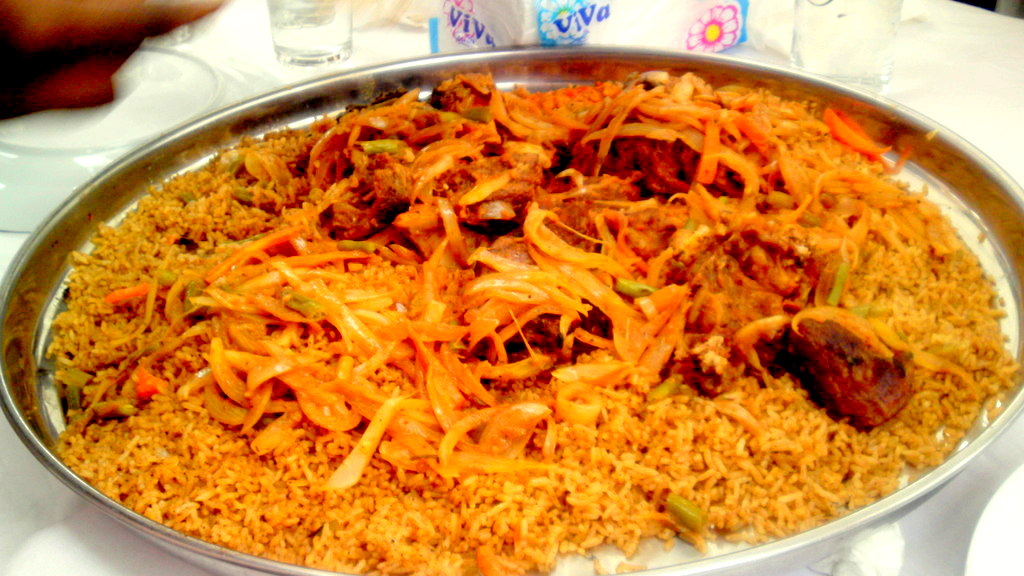 Riz grasMeat
🇧🇫 Burkina Faso and 4 moreWest African rice cooked with meat and vegetables, served hot
Main dish, Lunch, Dinner
Riz grasMeat
🇧🇫 Burkina Faso and 4 moreWest African rice cooked with meat and vegetables, served hot
Main dish, Lunch, Dinner
 Pâté
🇫🇷 France and 5 moreA smooth or coarse spread made from minced meat, liver, or vegetables
Sauce, pickle or ferment
Pâté
🇫🇷 France and 5 moreA smooth or coarse spread made from minced meat, liver, or vegetables
Sauce, pickle or ferment