
Sauerkraut
Finely shredded cabbage preserved by natural fermentation in salt
Sauerkraut is cabbage that is sliced thin and fermented with salt, giving it a sharp, tangy taste. It is a staple in German, Polish, Russian, and Ukrainian cooking, often eaten as a side or in soups and stews. The fermentation process lets it keep for months, making it valuable for winter meals.
- Made by fermenting finely shredded cabbage with salt
- Keeps for months without refrigeration
- Eaten cold or warm, as a side, salad, or ingredient
- Important in German, Polish, Russian, and Ukrainian cooking
- Traditionally eaten for luck on New Year's Day in Pennsylvania
What is Sauerkraut?
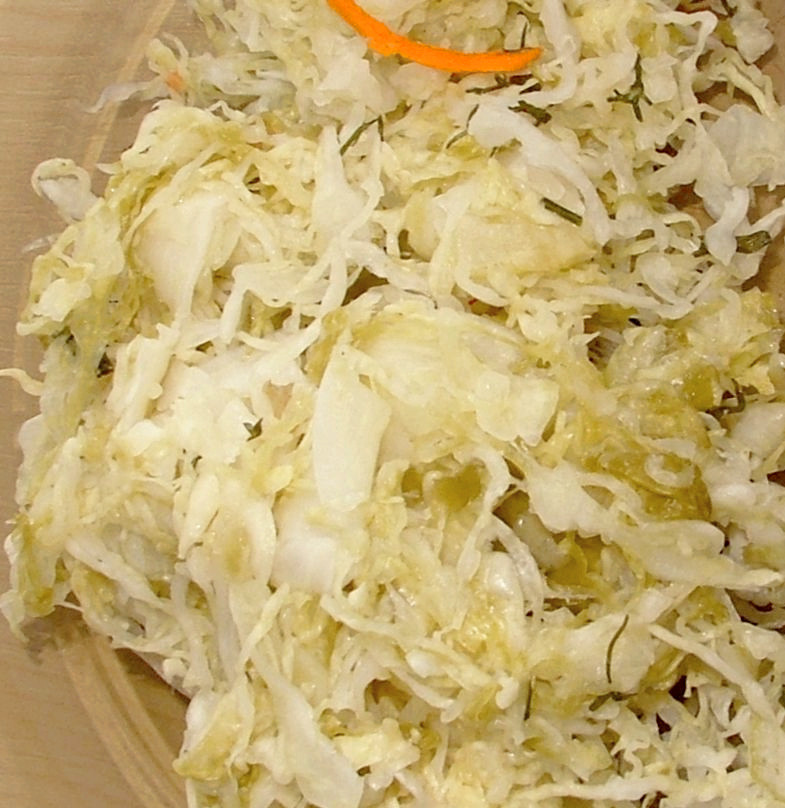
Sauerkraut is made by cutting white cabbage into thin strips and mixing it with salt. The mixture is left to ferment, which means natural bacteria turn the cabbage's sugars into lactic acid. This gives sauerkraut its sour flavor and helps preserve it for a long time. The finished product is pale, crisp, and juicy, with a strong, tart aroma. It is usually eaten cold as a salad or side, but can also be served warm in cooked dishes.
Where does Sauerkraut come from?
The practice of fermenting cabbage with salt goes back to Roman times, when writers described preserving vegetables this way. While some legends link it to China, there is no evidence for this. Instead, the tradition developed in Europe, where it became important for storing food through cold months. The name 'sauerkraut' comes from German, meaning 'sour cabbage', but similar foods are found across Central and Eastern Europe, each with their own local names.
How is Sauerkraut made?
To make sauerkraut, fresh cabbage is shredded finely and layered with salt. The salt draws out moisture, creating a brine in which bacteria can thrive. The cabbage ferments over several weeks, with different bacteria active at each stage, gradually souring the mixture. The process does not need heat or special equipment, just a cool, airtight container. Once ready, sauerkraut can be kept for months if stored properly.


How and when is Sauerkraut eaten?
Sauerkraut is eaten in many ways. It is served cold as a salad or appetizer, or used as a side dish with meats, sausages, or potatoes. In some regions, it fills dumplings or pies, or flavors soups and stews. In Germany and Austria, it is often cooked with apples or caraway seeds. In France, it is the base for choucroute garnie, a dish with sausages and pork. In the United States, it is popular on hot dogs and sandwiches, and is a traditional New Year's food in some communities.
Kinds of Sauerkraut
Different countries add their own touches to sauerkraut. In Eastern Europe, carrots, apples, cranberries, or beets may be mixed in for extra flavor or color. Some regions use whole cabbage heads instead of shredded leaves, especially for making cabbage rolls. Quick versions can be made by fermenting for just a few days in the fridge, resulting in a milder taste. In Germany and Austria, juniper berries or white wine are sometimes added during fermentation.
What Sauerkraut means
Sauerkraut has long been valued for its ability to last through winter and provide vitamins when fresh produce is scarce. It was carried on sea voyages to prevent scurvy, including by Captain Cook. In Pennsylvania, eating sauerkraut on New Year's Day is thought to bring luck. The dish appears in many national and regional cuisines, and its name has even entered popular language. It is also a symbol of tradition for communities with German or Eastern European roots.
When Sauerkraut is on the table
Questions people ask about Sauerkraut
What is sauerkraut made of?
Sauerkraut is made from finely cut white cabbage, salt, and water. Natural lactic acid bacteria ferment the cabbage, giving it a sour taste.
Where does sauerkraut come from?
Sauerkraut has roots in Europe, with early records from Roman times. It is especially common in German, Polish, Russian, and Ukrainian cuisines.
How is sauerkraut prepared?
Fresh cabbage is shredded, mixed with salt, and packed tightly in a container. It ferments for several weeks as bacteria turn sugars into lactic acid.
How is sauerkraut eaten?
It can be served cold as a salad or side, or cooked with meats, sausages, or potatoes. It is also used in soups, stews, and dumplings.
Is sauerkraut vegan?
Yes, traditional sauerkraut contains only cabbage, salt, and water, making it suitable for a vegan diet.
Good reading and sources
- Encyclopaedia BritannicaArticle
- Sauerkraut as a remedy for canker soresLos Angeles Times, Article
- Fermented and vegetables. A global perspective. Chapter 5.FAO, Article
The facts on this page come from the Wikipedia article "Sauerkraut", written by its contributors and used under the CC BY-SA 4.0 licence, and from its Wikidata record (CC0). Thali rewrote the text in its own words, with AI assistance, and compares every page with the article to make sure no passage is copied. It may be reused under the same CC BY-SA 4.0 licence with a link back.
It may contain mistakes, and it is not dietary or allergy advice: recipes differ from cook to cook. If something is wrong, tell us. Last refreshed 2026-10-03.
More from Germany
All the food of Germany Potato saladVegetarianKartoffelsalat
🇦🇹 Austria and 5 moreBoiled potatoes mixed with dressing, herbs, and vegetables, served cold or warm
Salad or side, Lunch, Dinner
Potato saladVegetarianKartoffelsalat
🇦🇹 Austria and 5 moreBoiled potatoes mixed with dressing, herbs, and vegetables, served cold or warm
Salad or side, Lunch, Dinner
 Soured milkVegetarian
🇷🇺 Russia and 5 moreMilk thickened and preserved by natural fermentation with wild bacteria
Sauce, pickle or ferment
Soured milkVegetarian
🇷🇺 Russia and 5 moreMilk thickened and preserved by natural fermentation with wild bacteria
Sauce, pickle or ferment
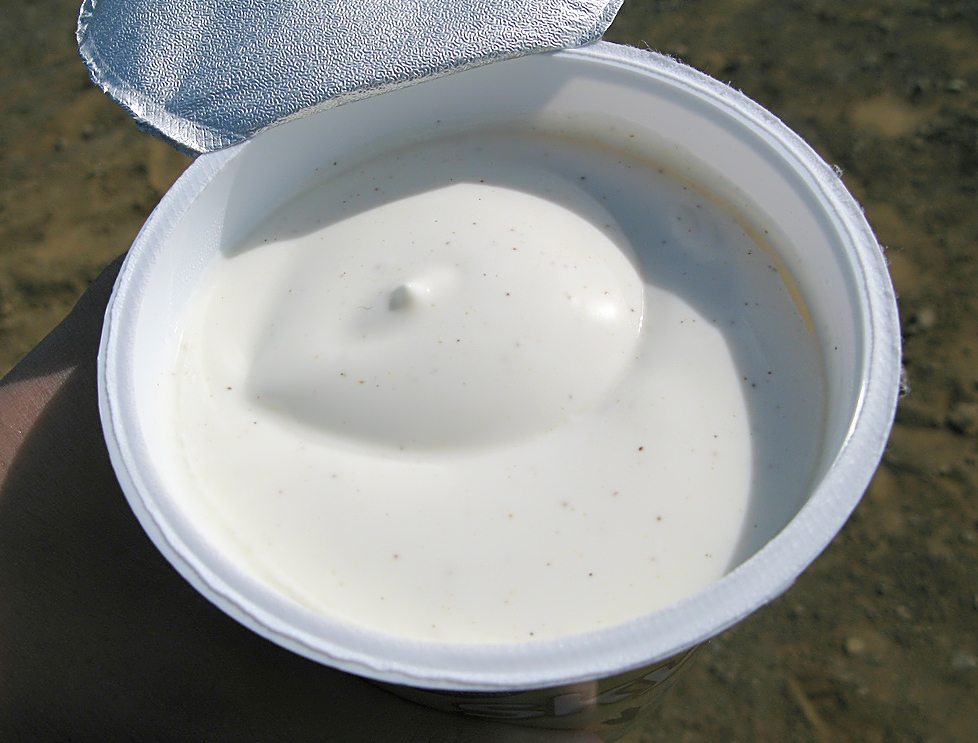 SkyrVegetarian
🇮🇸 Iceland and 3 moreIcelandic cultured dairy with a thick, mild taste, eaten like yogurt
Sauce, pickle or ferment, Breakfast, Snacks
SkyrVegetarian
🇮🇸 Iceland and 3 moreIcelandic cultured dairy with a thick, mild taste, eaten like yogurt
Sauce, pickle or ferment, Breakfast, Snacks
 ObatzdaVegetarian
🇩🇪 Germany and 1 moreBavarian cheese spread mixed with butter, paprika and spices
Cheese or dairy food, Snacks
ObatzdaVegetarian
🇩🇪 Germany and 1 moreBavarian cheese spread mixed with butter, paprika and spices
Cheese or dairy food, Snacks
Its cousins elsewhere
All sauces, pickles and ferments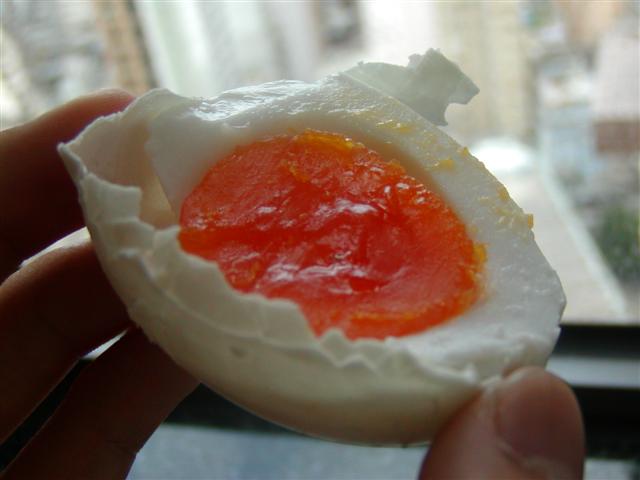 Salted duck egg
🇨🇳 China and 3 moreDuck eggs preserved in salt, prized for their rich, orange-red yolks
Sauce, pickle or ferment, Breakfast, Lunch
Salted duck egg
🇨🇳 China and 3 moreDuck eggs preserved in salt, prized for their rich, orange-red yolks
Sauce, pickle or ferment, Breakfast, Lunch
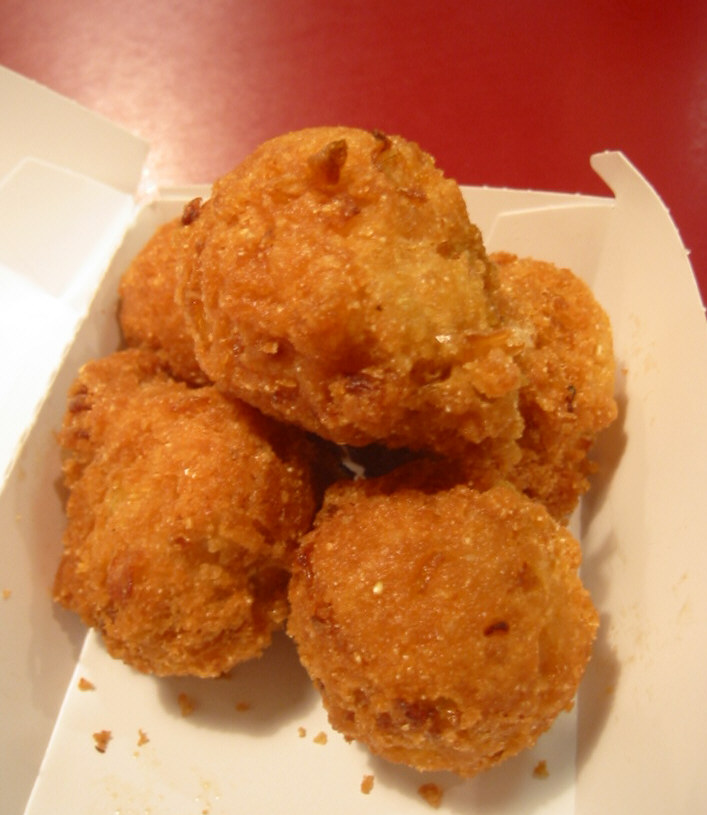 HushpuppyVegetarian
🇺🇸 United StatesDeep-fried cornmeal balls often served with seafood in the Southern United States
Sauce, pickle or ferment, Lunch, Dinner
CaviarFish or seafood
🇮🇷 Iran and 5 moreSalt-cured fish roe, most prized from sturgeon of the Caspian and Black Sea
Sauce, pickle or ferment, Snacks
HushpuppyVegetarian
🇺🇸 United StatesDeep-fried cornmeal balls often served with seafood in the Southern United States
Sauce, pickle or ferment, Lunch, Dinner
CaviarFish or seafood
🇮🇷 Iran and 5 moreSalt-cured fish roe, most prized from sturgeon of the Caspian and Black Sea
Sauce, pickle or ferment, Snacks
 Chutney
🇮🇳 India and 5 moreA spiced relish or sauce made from fruits, vegetables, herbs and spices
Sauce, pickle or ferment
Chutney
🇮🇳 India and 5 moreA spiced relish or sauce made from fruits, vegetables, herbs and spices
Sauce, pickle or ferment