
Yusheng
In its own language: 魚生
Raw fish and shredded vegetable salad tossed for luck at Chinese New Year
Yusheng is a festive salad of raw fish, crisp vegetables, and sweet-tangy sauces, enjoyed mainly during Chinese New Year by Chinese communities in Malaysia and Singapore. Diners gather to toss the ingredients together, each element symbolizing good fortune and prosperity for the year ahead. Vegetarian versions use soy-based fish.
- Tossed together by diners for luck during Chinese New Year
- Raw fish is the main ingredient, often replaced with soy fish for vegetarians
- Each topping represents a different wish for prosperity or happiness
- Originated among Chinese communities in Malaysia and Singapore
- Known as 'Prosperity Toss' and 'lo hei'
What is Yusheng?
Yusheng is a colourful salad built around thin slices of raw fish, often salmon, combined with a lively mix of shredded vegetables such as carrot and radish. The dish is finished with a sweet and tangy sauce, crushed peanuts, and other toppings like pomelo, ginger, and crispy flour crackers. Each ingredient is chosen for its symbolic meaning, representing wishes for wealth, health, and happiness. The salad is served cold and is known for its vibrant appearance and the ritual of tossing it together at the table.
Where does Yusheng come from?
Yusheng took shape among Chinese communities in Malaysia and Singapore, where it was adapted from older traditions of eating raw fish for the New Year. Both countries have long debated who first created the modern version, but it is clear that the dish as known today developed in Southeast Asia. In Malaysia, it is linked to a fish noodle dish served during Renri, while in Singapore, a group of chefs is credited with popularizing the salad in the 1960s and 1970s. Over time, Yusheng spread to other countries with Chinese populations.
How is Yusheng made?
To prepare Yusheng, raw fish is sliced and arranged with piles of shredded vegetables like carrot and radish. Other ingredients such as ginger, onion, pomelo, and crushed peanuts are added. A sauce with sweet and sour notes is poured over the top, and crispy flour crackers are scattered for crunch. Each addition is made with a wish for good fortune, and the dish is assembled at the table before being tossed by diners.


How and when is Yusheng eaten?
Yusheng is most often enjoyed as the first course of a festive meal during Chinese New Year. Everyone at the table stands and uses chopsticks to toss the salad together, saying auspicious phrases as they do so. The act of tossing, called 'lo hei', is believed to bring luck, and the higher the ingredients are tossed, the better the fortune. The salad is eaten communally, with each person taking a share after the toss.
Kinds of Yusheng
While the classic version features raw fish, some people use salmon instead of traditional species, and vegetarian versions replace fish with soy-based alternatives. The mix of vegetables and toppings can vary, with some including jellyfish, pickled ginger, or different types of crackers. Regional preferences influence the exact combination of ingredients and sauces, but the symbolic meanings remain central.
What Yusheng means
Yusheng has become a key part of Chinese New Year celebrations in Malaysia and Singapore, and its popularity has grown in nearby countries. The dish is more than just food; it is a ritual that brings families and friends together to express hopes for the coming year. In Malaysia, Yusheng is recognized as part of the country's cultural heritage. The communal tossing and the wishes spoken during the meal are as important as the taste of the salad itself.
When Yusheng is on the table
Questions people ask about Yusheng
What is Yusheng made of?
Yusheng is made with raw fish slices, shredded vegetables like carrot and radish, sweet and tangy sauce, crushed peanuts, pomelo, ginger, and crispy flour crackers. Vegetarian versions use soy-based fish.
Where does Yusheng come from?
Yusheng developed among Chinese communities in Malaysia and Singapore, where it became a festive dish for Chinese New Year. Both countries have played a role in shaping its modern form.
When is Yusheng eaten?
Yusheng is eaten during Chinese New Year, especially at family or group dinners. It is sometimes served on Renri, the seventh day of the festival, but can be enjoyed on any day during the New Year period.
What does tossing Yusheng mean?
The tossing of Yusheng, called 'lo hei', is a ritual where diners mix the salad together while saying good wishes. The act symbolizes bringing in luck and prosperity for the coming year.
Are there vegetarian versions of Yusheng?
Yes, vegetarian Yusheng replaces the raw fish with soy-based alternatives that resemble fish, while keeping the rest of the salad and its symbolic toppings.
Good reading and sources
The facts on this page come from the Wikipedia article "Yusheng", written by its contributors and used under the CC BY-SA 4.0 licence, and from its Wikidata record (CC0). EveryThali rewrote the text in its own words, with AI assistance, and compares every page with the article to make sure no passage is copied. It may be reused under the same CC BY-SA 4.0 licence with a link back.
It may contain mistakes, and it is not dietary or allergy advice: recipes differ from cook to cook. If something is wrong, tell us. Last refreshed 2026-10-03.
More from Malaysia
All the food of Malaysia BreadfruitVegan
🇵🇭 Philippines and 4 moreLarge tropical fruit cooked as a starchy staple in many island cuisines
Main dish, Lunch, Dinner
BreadfruitVegan
🇵🇭 Philippines and 4 moreLarge tropical fruit cooked as a starchy staple in many island cuisines
Main dish, Lunch, Dinner
 Mooncake月饼 / 月餅
🇨🇳 China and 5 moreA round Chinese pastry with sweet or nutty filling, eaten at the Mid-Autumn Festival
Pie or savoury pastry, Tea time, Snacks
Mooncake月饼 / 月餅
🇨🇳 China and 5 moreA round Chinese pastry with sweet or nutty filling, eaten at the Mid-Autumn Festival
Pie or savoury pastry, Tea time, Snacks
 Nian gaoVegan年糕
🇨🇳 China and 5 moreSticky rice cake enjoyed at Chinese New Year for good luck
Sweet or dessert, Snacks
Nian gaoVegan年糕
🇨🇳 China and 5 moreSticky rice cake enjoyed at Chinese New Year for good luck
Sweet or dessert, Snacks
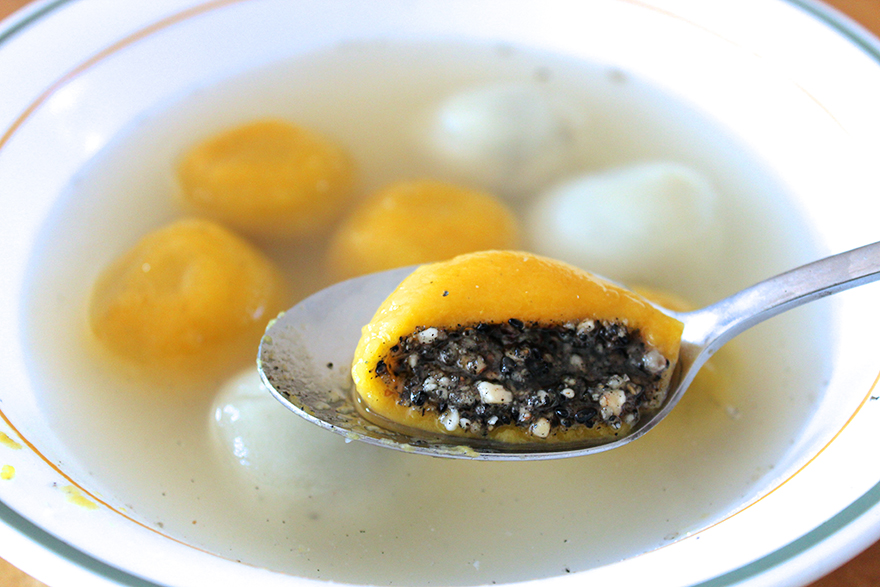 Tangyuan汤圆 / 湯圓
🇨🇳 China and 5 moreGlutinous rice balls, often filled, served in sweet or savory broth
Sweet or dessert, Snacks
Tangyuan汤圆 / 湯圓
🇨🇳 China and 5 moreGlutinous rice balls, often filled, served in sweet or savory broth
Sweet or dessert, Snacks
Its cousins elsewhere
All salads and sides ColeslawVegetariankoolsla
🇳🇱 Netherlands and 5 moreShredded raw cabbage salad with a creamy or tangy dressing
Salad or side, Lunch, Dinner
ColeslawVegetariankoolsla
🇳🇱 Netherlands and 5 moreShredded raw cabbage salad with a creamy or tangy dressing
Salad or side, Lunch, Dinner
 MizeriaVegetarian
🇵🇱 PolandPolish cucumber salad with sour cream and fresh herbs
Salad or side, Lunch, Dinner
MizeriaVegetarian
🇵🇱 PolandPolish cucumber salad with sour cream and fresh herbs
Salad or side, Lunch, Dinner
 OcopaVegetarian
🇵🇪 PeruPeruvian sauce of yellow chili, huacatay, cheese and peanuts, often served over potatoes
Sauce, pickle or ferment, Lunch, Dinner
OcopaVegetarian
🇵🇪 PeruPeruvian sauce of yellow chili, huacatay, cheese and peanuts, often served over potatoes
Sauce, pickle or ferment, Lunch, Dinner
 FavaVeganφάβα
🇬🇷 GreeceGreek split pea purée served warm or cold as a dip or spread
Sauce, pickle or ferment, Lunch, Dinner
FavaVeganφάβα
🇬🇷 GreeceGreek split pea purée served warm or cold as a dip or spread
Sauce, pickle or ferment, Lunch, Dinner