🇮🇸 The food of Iceland
10 dishes from Iceland, best known first.
Icelandic cooking is shaped by its cold climate, coastal geography, and a long tradition of preserving food through fermentation, drying, and smoking. Lamb, fish, and dairy are central, with modern chefs now focusing on the freshness and quality of local ingredients. Distinctive preservation methods and a reliance on animal products set Icelandic cuisine apart.
- Fermentation is used to preserve shark, skate, and herring.
- Skyr is a yogurt-like dairy food unique to Iceland.
- Þorramatur is a traditional winter buffet of cured foods.
- Brennivín is an Icelandic spirit made from rye.
- Dense, sweet rye bread (rúgbrauð) is a staple.
The cooking of Iceland
Icelandic food draws from its Nordic roots and the need to survive harsh winters. The cuisine centers on lamb, seafood, and dairy, with preservation techniques like fermenting, drying, and smoking giving many dishes their unique character. Traditional meals often relied on what could be stored through the long cold months, such as cured meats and fish. Over time, Danish influence and increased trade brought in new ingredients, but the focus has remained on local produce. Modern cooks highlight the purity and freshness of Icelandic ingredients, especially seafood and lamb, while still honoring older methods and flavors.
Staple foods in Iceland
Lamb, fish, and dairy products are the backbone of Icelandic meals. Skyr, a thick, tangy dairy food similar to yogurt, is widely eaten. Rye bread, often dense and sweet, accompanies many dishes. Local berries, root vegetables, seabirds, and their eggs, as well as herbs like wild thyme and angelica, are also used. Preservation by fermenting, drying, or smoking is common, especially for fish and meats.
Sweets and drinks in Iceland
Kleinur, a twisted fried pastry, and bollur, a type of bun, are popular sweet treats. Rúgbrauð, the dense rye bread, is often served with meals or as a snack. Brennivín, a strong spirit made from rye, is traditionally drunk with preserved foods, especially during winter festivals.
From region to region in Iceland
Food traditions vary depending on proximity to the sea or inland areas. Coastal communities rely more on fish, while inland diets focus on lamb and dairy. In the north, fishing overlaps with haymaking, limiting the fishing season, while in the south, fishing is more prominent from late winter to summer. These differences shape the kinds of preserved foods and fresh ingredients available in each region.
At the table in Iceland
Historically, Icelanders ate two main meals: a midday meal and supper. Food was served in bowls, and people often ate from their laps while sitting on beds along the walls. Spoons made from horn or bone were common, and special occasions called for carved drinking horns or decorated casks. The farmer’s wife or a butler would divide and serve the food.
Festival and religious food in Iceland
At the midwinter Þorrablót festival, people share a buffet called Þorramatur, featuring cured meats and fish, dense rye bread, and brennivín. These foods reflect old preservation methods and are eaten to honor Icelandic heritage.
The facts in this overview come from the Wikipedia article "Icelandic cuisine", written by its contributors and used under the CC BY-SA 4.0 licence. Thali rewrote the text in its own words, with AI assistance, and compares every page with the article to make sure no passage is copied. It may be reused under the same CC BY-SA 4.0 licence with a link back.
 GravlaxFish or seafood
🇸🇪 Sweden and 3 moreSalmon cured with salt, sugar and dill, sliced thin and served with mustard-dill sauce
Main dish, Lunch, Dinner
GravlaxFish or seafood
🇸🇪 Sweden and 3 moreSalmon cured with salt, sugar and dill, sliced thin and served with mustard-dill sauce
Main dish, Lunch, Dinner
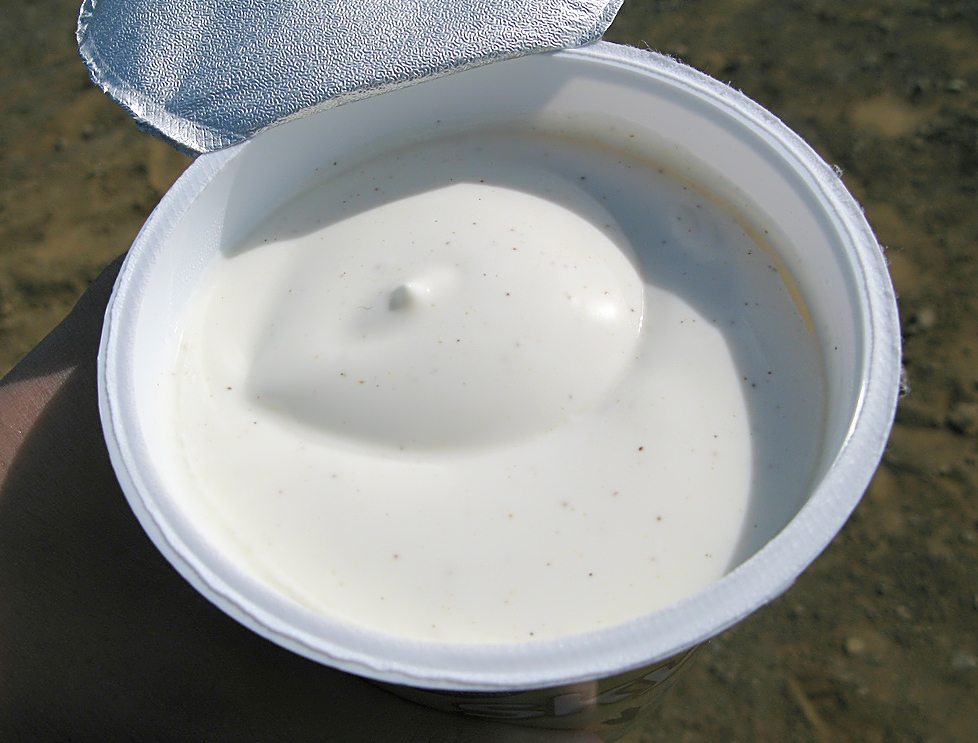 SkyrVegetarian
🇮🇸 Iceland and 3 moreIcelandic cultured dairy with a thick, mild taste, eaten like yogurt
Sauce, pickle or ferment, Breakfast, Snacks
SkyrVegetarian
🇮🇸 Iceland and 3 moreIcelandic cultured dairy with a thick, mild taste, eaten like yogurt
Sauce, pickle or ferment, Breakfast, Snacks
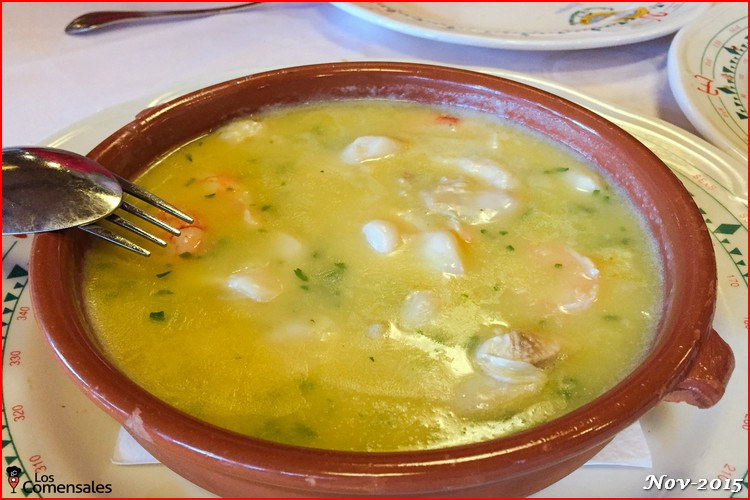 Cod tongueFish or seafood
🇳🇴 Norway and 5 moreChewy, boneless cut from the lower jaw of cod, prized in North Atlantic fishing cultures
Main dish, Lunch, Dinner
Cod tongueFish or seafood
🇳🇴 Norway and 5 moreChewy, boneless cut from the lower jaw of cod, prized in North Atlantic fishing cultures
Main dish, Lunch, Dinner
Photo credits on this page
The small pictures above come from Wikimedia Commons under free licences. Some are cropped to fit.
- Gravlax: Tiia Monto, CC BY-SA 4.0, source
- Skyr: Schnee ( talk ), CC BY-SA 4.0, source
- Cod tongue: Fernando Medina, CC BY 2.0, source