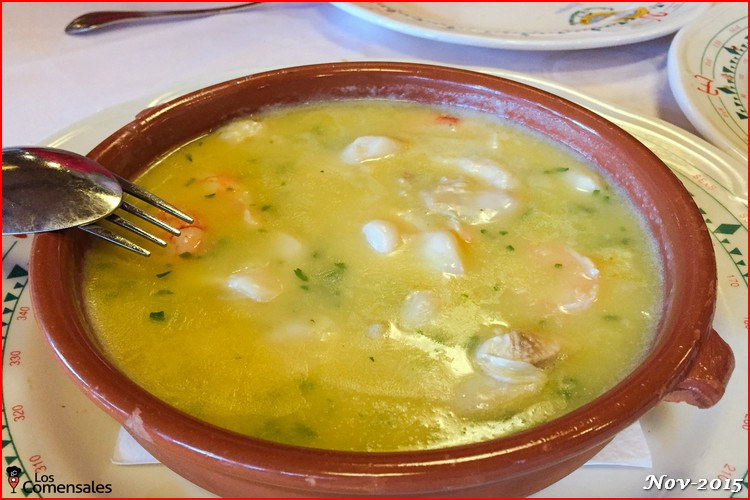
Cod tongue
Chewy, boneless cut from the lower jaw of cod, prized in North Atlantic fishing cultures
Cod tongue is a boneless piece of flesh from the lower jaw of cod, eaten in fishing communities around the North Atlantic, including Norway, Iceland, Portugal, France, and Canada. The cut is chewy and gelatinous, and is often fried, boiled, or cooked in sauces. It is considered a delicacy and features in both everyday meals and festive dishes.
- Cut from the lower jaw, not the actual tongue
- Chewy texture, sometimes gelatinous at the chin barbel
- Fried, boiled, or cooked in sauces depending on region
- Traditionally counted to track fishermen's catches
- Popular at Christmas in Spain and Portugal
What is Cod tongue?
Cod tongue is not the actual tongue of the fish, but a boneless, triangular or V-shaped piece of flesh cut from the lower jaw, including the chin barbel. Each piece weighs about 30–40 grams. The texture is chewy, sometimes compared to scallop or filet mignon, with the chin barbel being more gelatinous. It is considered a delicacy in many North Atlantic fishing communities and is often fried, boiled, or cooked in sauces. The flavor and texture set it apart from regular cod fillet.
Where does Cod tongue come from?
Cod tongue has a long history in regions where cod fishing is central, such as the Basque Country, Newfoundland, Iceland, Northern Norway, and Portugal. In these places, it developed as a way to use more of the fish and became a valued part of local diets. The Basque import of cod tongue was regulated as early as 1797. In France, records of eating cod tongue date to the late 16th century. It was also a way for fishermen to keep track of their catch, with special boxes used to count tongues on fishing boats in Iceland, the Faroes, and France.
How is Cod tongue made?
The tongue is cut from the lower jaw of cod, either by hand with a knife or using a mechanical cutter. In some places, the cod head is impaled on a spike and the tongue sliced out. The cut is then cleaned and prepared in various ways: dredged in flour and fried, boiled with onions and butter, or cooked in olive oil and herbs. In Portugal and Spain, it is sometimes salted and fried or served in sauces. In Newfoundland, it is often fried in pork fat with crispy pork bits called scrunchions.


How and when is Cod tongue eaten?
Cod tongue is eaten as a main dish, snack, or festive food, depending on the region. In Spain, it is a popular Christmas dish. In Belgium, it is served with potatoes and butter, sometimes with vinegar and onion. In Iceland, it is boiled with onions and butter. In Newfoundland, it is fried and eaten hot, often on the docks or in restaurants. Cod tongue may be served alone or with accompaniments like potatoes, bread, or sauces. It is enjoyed both at home and in traditional pubs or special gatherings.
Kinds of Cod tongue
Regional versions reflect local tastes and traditions. In the Basque Country, cod tongue is cooked in salsa vizcaína or pil pil sauce. In Portugal, it is often salted and fried. Belgian preparations include frying with onion and vinegar. Newfoundland's version is fried in pork fat with scrunchions. In Norway, children traditionally cut and sell the tongues during the fishing season, and the dish is especially popular in the Lofoten region. Icelandic cod tongues are typically boiled rather than fried.
What Cod tongue means
Cod tongue carries cultural weight in fishing communities, symbolizing resourcefulness and tradition. In Norway, the practice of young people cutting tongues is a rite of passage and a way to learn about work and money. In the Basque Country, it has royal associations and is linked to festive meals. The counting of cod tongues was once central to dividing fishermen's earnings. In Newfoundland, it has become a culinary attraction. In Spain, it is part of Christmas celebrations. The dish connects people to their fishing heritage.
When Cod tongue is on the table
Questions people ask about Cod tongue
What is cod tongue made of?
Cod tongue is a boneless piece of flesh from the lower jaw of cod, including the chin barbel. It is not the actual tongue, but a chewy, triangular or V-shaped cut.
Where does cod tongue come from?
Cod tongue is eaten in fishing communities around the North Atlantic, especially in Norway, Iceland, Portugal, France, Spain, and Canada. Each region has its own traditions for preparing and serving it.
How is cod tongue usually prepared?
Cod tongue is most often dredged in flour and fried, but it can also be boiled with onions and butter, or cooked in olive oil and herbs. In some places, it is salted and fried or served in sauces.
What does cod tongue taste like?
The texture is chewy, sometimes compared to scallop or filet mignon, with the chin barbel being more gelatinous. The flavor is distinct from regular cod fillet.
Is cod tongue eaten for special occasions?
Yes, in Spain and Portugal, cod tongue is a popular Christmas food. In other regions, it is enjoyed both as an everyday dish and at festive gatherings.
Good reading and sources
- In Norway, Kids Slice Out Cod Tongues for Serious MoneySmithsonian Magazine, Article
- Así son los txokos, las deliciosas sociedades gastronómicas del País VascoBBC, Article
The facts on this page come from the Wikipedia article "Cod tongue", written by its contributors and used under the CC BY-SA 4.0 licence, and from its Wikidata record (CC0). Thali rewrote the text in its own words, with AI assistance, and compares every page with the article to make sure no passage is copied. It may be reused under the same CC BY-SA 4.0 licence with a link back.
It may contain mistakes, and it is not dietary or allergy advice: recipes differ from cook to cook. If something is wrong, tell us. Last refreshed 2026-10-03.
More from Norway
All the food of Norway Fish and chipsFish or seafood
🇬🇧 United Kingdom and 8 moreBattered fried fish served hot with thick-cut chips
Main dish, Lunch, Dinner
Fish and chipsFish or seafood
🇬🇧 United Kingdom and 8 moreBattered fried fish served hot with thick-cut chips
Main dish, Lunch, Dinner
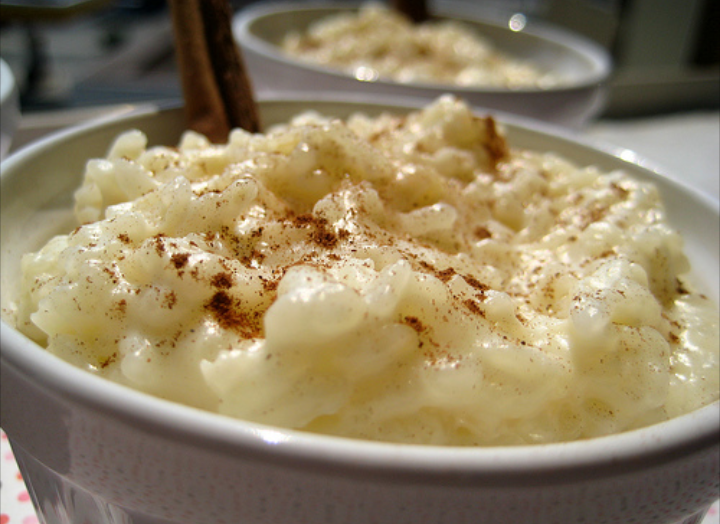 Rice pudding
🇮🇳 India and 4 moreSweetened rice cooked in milk, found in many forms worldwide
Sweet or dessert, Breakfast, Lunch
Rice pudding
🇮🇳 India and 4 moreSweetened rice cooked in milk, found in many forms worldwide
Sweet or dessert, Breakfast, Lunch
 Smörgåsbord
🇸🇪 Sweden and 2 moreA Swedish buffet meal with a spread of cold and hot dishes
Main dish, Lunch, Dinner
Smörgåsbord
🇸🇪 Sweden and 2 moreA Swedish buffet meal with a spread of cold and hot dishes
Main dish, Lunch, Dinner
 GravlaxFish or seafood
🇸🇪 Sweden and 3 moreSalmon cured with salt, sugar and dill, sliced thin and served with mustard-dill sauce
Main dish, Lunch, Dinner
GravlaxFish or seafood
🇸🇪 Sweden and 3 moreSalmon cured with salt, sugar and dill, sliced thin and served with mustard-dill sauce
Main dish, Lunch, Dinner
Its cousins elsewhere
All main dishes Pelmeniпельмени
🇷🇺 RussiaRussian dumplings filled with seasoned meat and wrapped in thin dough
Dumpling, Lunch, Dinner
Pelmeniпельмени
🇷🇺 RussiaRussian dumplings filled with seasoned meat and wrapped in thin dough
Dumpling, Lunch, Dinner
 MantiMeat
🇺🇿 Uzbekistan and 5 moreSpiced meat dumplings wrapped in thin dough, steamed, boiled or baked
Dumpling, Lunch, Dinner
MantiMeat
🇺🇿 Uzbekistan and 5 moreSpiced meat dumplings wrapped in thin dough, steamed, boiled or baked
Dumpling, Lunch, Dinner
 Lentil soupVegan
🇪🇬 Egypt and 5 moreA hearty soup made from lentils, often with vegetables and spices
Soup, Lunch, Dinner
Lentil soupVegan
🇪🇬 Egypt and 5 moreA hearty soup made from lentils, often with vegetables and spices
Soup, Lunch, Dinner
 Hariraالحريرة
🇲🇦 Morocco and 3 moreNorth African soup of tomato, legumes, herbs and spices, often served during Ramadan
Soup, Dinner, Supper
Hariraالحريرة
🇲🇦 Morocco and 3 moreNorth African soup of tomato, legumes, herbs and spices, often served during Ramadan
Soup, Dinner, Supper