🇮🇱 The food of Israel
45 dishes from Israel, best known first, across 4 cities and regions.
Israeli cooking is shaped by Jewish communities from across the world, blending Middle Eastern, North African, European, and Mediterranean influences. It stands out for its mix of Jewish and Arab dishes, use of local produce, and adaptations to religious rules and modern trends.
- Hummus, falafel, and shakshouka are everyday foods in Israel.
- Kashrut rules shape what ingredients and dishes are eaten.
- Kugel yerushalmi is a sweet, peppery noodle pudding from Jerusalem.
- Sufganiyot are filled doughnuts eaten at Hanukkah.
- Khubeza leaves were foraged and eaten during the 1948 siege of Jerusalem.
The cooking of Israel
Israeli cuisine is a blend of many Jewish diaspora traditions, especially those from the Middle East, North Africa, and Europe. Over centuries, local produce and Mediterranean ingredients have shaped the food, while religious dietary laws (kashrut) and customs for holidays and Shabbat play a key role. Dishes from Arab and broader Middle Eastern cuisines, such as hummus and falafel, are now common, though their adoption has sparked debate. Modern Israeli food is also influenced by international trends, with chefs experimenting with new ingredients and fusion styles.
Staple foods in Israel
Wheat, barley, olives, figs, dates, pomegranates, and grapes have been central since ancient times. Bread, olives, cheese, and raw vegetables form the base of many meals. Chickpeas, eggplant, and peppers are widely used. Dairy, fish, and fresh fruits and vegetables are important, reflecting the Mediterranean climate. Pita bread, couscous, and rice dishes are common, and spices like za'atar and herbs are often added.
Breakfast in Israel 11 dishes
A typical Israeli breakfast draws on kibbutz traditions, featuring bread, olives, cheese, and raw vegetables. In hotels and many homes, it is served in an abundant form, sometimes including eggs and salads, reflecting the use of local produce.
Sweets and drinks in Israel
Pastries and cakes from Central and Eastern Europe, such as babka and strudels, are popular. Sufganiyot, a type of filled doughnut, is eaten especially during Hanukkah. Locally produced wines and handmade cheeses from cow, goat, and sheep milk are widely enjoyed. Coffee and tea are common drinks.
From region to region in Israel
Regional cooking in Israel reflects the origins of its people. Jerusalem is known for pies like sambousak and burekas, and for kugel yerushalmi, a sweet and peppery noodle pudding. Mizrahi cuisine, brought by Jews from North Africa and the Middle East, features grilled meats, stuffed vegetables, and spicy salads. Sephardic dishes show Balkan and Turkish influences, while Ashkenazi foods from Central and Eastern Europe include gefilte fish and schnitzel.
Festival and religious food in Israel
Jewish holidays shape many food traditions. Challah bread is made for Shabbat, while hamin, a slow-cooked stew, is served for Sabbath meals. Sufganiyot are eaten at Hanukkah, and khubeza, a wild mallow, is sometimes prepared on Independence Day, recalling its use during the siege of Jerusalem.
The facts in this overview come from the Wikipedia article "Israeli cuisine", written by its contributors and used under the CC BY-SA 4.0 licence. Thali rewrote the text in its own words, with AI assistance, and compares every page with the article to make sure no passage is copied. It may be reused under the same CC BY-SA 4.0 licence with a link back.
Cities and regions of Israel
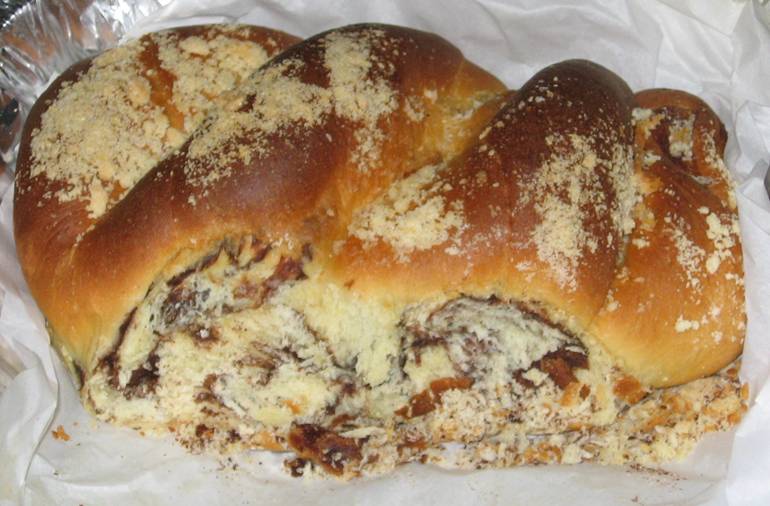 Babkaעוגת שמרים
🇵🇱 Poland and 4 moreSweet braided loaf with rich fillings like chocolate or cinnamon
Sweet or dessert, Breakfast, Tea time
Babkaעוגת שמרים
🇵🇱 Poland and 4 moreSweet braided loaf with rich fillings like chocolate or cinnamon
Sweet or dessert, Breakfast, Tea time
 MoflettaVeganמופלטה
🇲🇦 Morocco and 1 moreThin Maghrebi Jewish crêpes served warm for Mimouna after Passover
Sweet or dessert, Snacks, Tea time
MoflettaVeganמופלטה
🇲🇦 Morocco and 1 moreThin Maghrebi Jewish crêpes served warm for Mimouna after Passover
Sweet or dessert, Snacks, Tea time
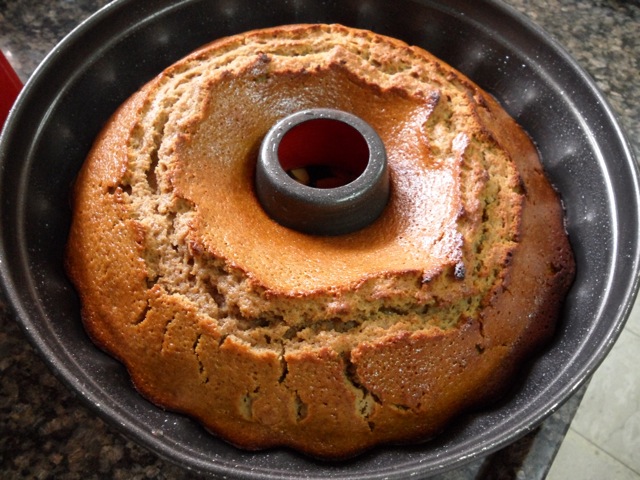 LekachVegetarianלעקעך
🇮🇱 Israel and 2 moreDense honey-sweetened cake served for Jewish New Year and other occasions
Sweet or dessert, Tea time, Snacks
LekachVegetarianלעקעך
🇮🇱 Israel and 2 moreDense honey-sweetened cake served for Jewish New Year and other occasions
Sweet or dessert, Tea time, Snacks
Photo credits on this page
The small pictures above come from Wikimedia Commons under free licences. Some are cropped to fit.
- Babka: Hanina at English Wikipedia, Public domain, source
- Mofletta: Gilabrand, CC BY-SA 3.0, source
- Lekach: Gran, CC BY-SA 3.0, source