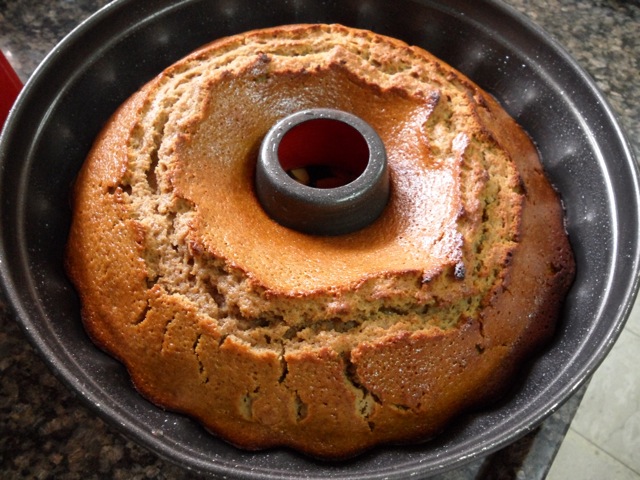
Lekach
In its own language: לעקעך
Dense honey-sweetened cake served for Jewish New Year and other occasions
Lekach is a honey-sweetened cake from Ashkenazi Jewish tradition, especially linked to Rosh Hashanah, the Jewish New Year. Made with rye flour, honey, spices, and sometimes coffee or tea, it is enjoyed in Israel and Jewish communities worldwide. The cake is often dense and loaf-shaped, served at room temperature.
- Eaten at Rosh Hashanah for a sweet New Year
- Made with honey, rye flour, and spices
- Known as ugat dvash in Hebrew and lekach in Yiddish
- Often contains coffee, raisins, and almonds
- Traditionally served unfrosted and at room temperature
What is Lekach?
Lekach is a cake sweetened mainly with honey, often dense and baked in a loaf shape. Its color can range from light to dark, depending on the honey and any added coffee or tea. The flavor is aromatic from spices like cinnamon, cloves, and allspice, and some versions include golden raisins and almonds. The cake is usually served plain, without frosting, and is moist from the honey and oil. It is a familiar treat in Jewish homes, especially during the New Year.
Where does Lekach come from?
Cakes made with honey have ancient roots in the Middle East, Egypt, and Rome. The tradition spread through Arab influence in Sicily and Spain, and Italian Jews brought honey cake styles to Central and Western Europe. The earliest Jewish reference to lekach appears in medieval Germany, with the name coming from Middle High German. By the 13th century, Ashkenazi Jewish honey cakes were shaped by German recipes for lebkuchen and honigkuchen. Over centuries, the cake evolved into many forms, but always remained a symbol of sweetness for the New Year.
How is Lekach made?
Traditional lekach combines rye flour and dark honey in equal parts, with eggs, vegetable oil, spices, and baking powder. Strong coffee is sometimes used instead of water to deepen the color and flavor. The batter may include golden raisins, and slivered almonds are often scattered on top before baking. The cake is baked in a loaf pan and served at room temperature. Some recipes use different flours or swap in tea, and the texture can range from dense to lighter, depending on the method.

How and when is Lekach eaten?
Lekach is most often eaten during Rosh Hashanah, the Jewish New Year, as a wish for a sweet year ahead. In some communities, especially among Chabad Jews, it is also given and received on the eve of Yom Kippur. The cake is typically sliced and served plain, sometimes with tea or coffee. It is enjoyed as a snack or with afternoon tea, and is rarely frosted or heavily decorated. Its presence at the table marks festive and religious occasions.
Kinds of Lekach
There are many versions of lekach. Some are dense and dark, others lighter like sponge or pound cake. Ingredients can vary: some bakers use wheat instead of rye, or add different spices. Coffee or tea may be used for flavor and color. Certain recipes resemble gingerbread or the French pain d'épices. Regional touches, such as raisins or almonds, reflect local tastes. Despite these differences, honey and spices remain at the heart of every lekach.
What Lekach means
Lekach is more than a dessert; it is a symbol of hope and renewal in Jewish culture. Eating it at Rosh Hashanah expresses the wish for a sweet year. Among Chabad Jews, the custom of asking for lekach on Erev Yom Kippur is a gesture of goodwill. The cake’s history connects Jewish communities across Europe, Israel, and the wider diaspora. Its unfrosted, simple appearance belies its deep cultural meaning.
When Lekach is on the table
Questions people ask about Lekach
What is lekach made of?
Lekach is made from rye flour, honey, eggs, vegetable oil, baking powder, and spices like cinnamon and cloves. Some versions include coffee, golden raisins, and almonds.
Where does lekach come from?
Lekach comes from Ashkenazi Jewish communities in Central and Eastern Europe, with roots in medieval Germany and influences from Italian and German honey cakes.
When is lekach usually eaten?
Lekach is traditionally eaten during Rosh Hashanah, the Jewish New Year, and sometimes on the eve of Yom Kippur, especially among Chabad Jews.
What does lekach taste like?
Lekach has a sweet, aromatic flavor from honey and spices. The texture is usually dense and moist, and it is often accented with raisins and almonds.
Is lekach always the same everywhere?
No, recipes for lekach vary widely. Some are dense and dark, others are lighter, and ingredients like flour, spices, and added fruits or nuts may differ by region.
Good reading and sources
The facts on this page come from the Wikipedia article "Lekach", written by its contributors and used under the CC BY-SA 4.0 licence, and from its Wikidata record (CC0). Thali rewrote the text in its own words, with AI assistance, and compares every page with the article to make sure no passage is copied. It may be reused under the same CC BY-SA 4.0 licence with a link back.
It may contain mistakes, and it is not dietary or allergy advice: recipes differ from cook to cook. If something is wrong, tell us. Last refreshed 2026-10-03.
More from Israel
All the food of Israel Hanukkah geltVegetarianחנוכה געלט / דמי חנוכה
🇮🇱 Israel and 1 moreChocolate coins or money given as gifts during Hanukkah
Sweet or dessert, Snacks
Hanukkah geltVegetarianחנוכה געלט / דמי חנוכה
🇮🇱 Israel and 1 moreChocolate coins or money given as gifts during Hanukkah
Sweet or dessert, Snacks
 Apple sauceVegan
🇺🇸 United States and 5 moreSmooth cooked apples, sometimes sweetened or spiced, eaten as a side or dessert
Sauce, pickle or ferment, Lunch, Dinner
Apple sauceVegan
🇺🇸 United States and 5 moreSmooth cooked apples, sometimes sweetened or spiced, eaten as a side or dessert
Sauce, pickle or ferment, Lunch, Dinner
 Hamantashהמן־טאַשן
🇮🇱 IsraelTriangular filled cookie for the Jewish festival of Purim
Sweet or dessert, Snacks
Hamantashהמן־טאַשן
🇮🇱 IsraelTriangular filled cookie for the Jewish festival of Purim
Sweet or dessert, Snacks
Its cousins elsewhere
All sweets and desserts SyrnikiVegetarianсирники
🇺🇦 Ukraine and 5 moreFried pancakes made from curd cheese, popular in Eastern Europe
Sweet or dessert, Breakfast
SyrnikiVegetarianсирники
🇺🇦 Ukraine and 5 moreFried pancakes made from curd cheese, popular in Eastern Europe
Sweet or dessert, Breakfast
 OliebolVegetarian
🇳🇱 Netherlands and 2 moreDutch deep-fried dough balls, often with raisins and dusted with powdered sugar
Sweet or dessert, Snacks
OliebolVegetarian
🇳🇱 Netherlands and 2 moreDutch deep-fried dough balls, often with raisins and dusted with powdered sugar
Sweet or dessert, Snacks
 Alfajor
🇦🇷 Argentina and 4 moreSweet biscuits or pastry joined with a filling, often dulce de leche or honey and nuts
Sweet or dessert, Snacks
Alfajor
🇦🇷 Argentina and 4 moreSweet biscuits or pastry joined with a filling, often dulce de leche or honey and nuts
Sweet or dessert, Snacks
 LebkuchenVegetarian
🇩🇪 Germany and 1 moreGerman spiced honey cakes and cookies, often enjoyed at Christmas
Sweet or dessert, Snacks
LebkuchenVegetarian
🇩🇪 Germany and 1 moreGerman spiced honey cakes and cookies, often enjoyed at Christmas
Sweet or dessert, Snacks