
Akpan
Fermented maize and milk dessert from Benin and Togo
Akpan is a sweet dessert from Benin and Togo, made by fermenting maize and mixing it with condensed milk. The mixture is chilled and often sold in bags, giving it a creamy, tangy taste. It is enjoyed as a treat, especially in West Africa, and sometimes called akassa.
- Made by fermenting maize and mixing with condensed milk
- Served chilled, often in bags
- Popular in Benin and Togo, with a small following in France
- Known as akassa in Benin
- Described as a vegetable yogurt
What is Akpan?
Akpan is a creamy dessert made by fermenting maize, which gives it a tangy flavor. After fermentation, the maize is combined with condensed milk, resulting in a sweet and slightly sour mixture. The finished dessert is typically chilled and sold in small bags. Its texture is smooth, similar to drinkable yogurt, and it is sometimes described as a vegetable yogurt. Akpan is enjoyed as a refreshing treat, especially in warm weather.
Where does Akpan come from?
Akpan comes from Benin and Togo in West Africa, where it is a familiar part of local food culture. The dessert is rooted in traditional methods of fermenting grains, which are common in the region. In Benin, it is known as akassa. While it remains most popular in its countries of origin, a small community in France also consumes it, likely due to migration from West Africa.
How is Akpan made?
To make akpan, maize kernels or powder are left to ferment, which develops the yogurt-like tang. Once fermented, the maize is mixed with condensed milk, sweetening the mixture and adding creaminess. The dessert is then portioned into bags and chilled with ice, making it ready to eat cold. This process gives akpan its distinctive taste and smooth texture.
How and when is Akpan eaten?
Akpan is usually eaten as a snack or dessert, often bought from street vendors or small shops. It is served cold, making it especially popular in hot weather. The dessert is typically enjoyed straight from the bag, sometimes with a straw. It is not tied to any particular festival or religious occasion, but is a common everyday treat in Benin and Togo.
Kinds of Akpan
The main variation in akpan is its name: in Benin, it is called akassa. Some differences may exist in the fermentation process or the ratio of maize to milk, but the basic method remains the same. Outside West Africa, such as in France, it is made and consumed by West African communities, sometimes with slight changes to suit local tastes.
What Akpan means
Akpan is a familiar part of daily life in Benin and Togo, valued for its refreshing quality and simple ingredients. It is not associated with any festival or religious practice, but is enjoyed by people of all ages as a sweet treat. Its presence in France reflects the spread of West African food traditions through migration.
Questions people ask about Akpan
What is akpan made of?
Akpan is made from fermented maize and condensed milk. The maize is first fermented, then mixed with the milk to create a sweet, tangy dessert.
Where does akpan come from?
Akpan originates from Benin and Togo in West Africa. It is also enjoyed by West African communities in France.
How is akpan served?
Akpan is served cold, usually in small bags. It is often eaten as a snack or dessert, sometimes with a straw.
Is akpan vegetarian?
Yes, akpan is vegetarian. It contains maize and condensed milk, with no meat or fish.
What does akpan taste like?
Akpan has a creamy, sweet, and slightly tangy taste due to the fermentation of maize and the addition of condensed milk.
Good reading and sources
The facts on this page come from the Wikipedia article "Akpan (dessert)", written by its contributors and used under the CC BY-SA 4.0 licence, and from its Wikidata record (CC0). Thali rewrote the text in its own words, with AI assistance, and compares every page with the article to make sure no passage is copied. It may be reused under the same CC BY-SA 4.0 licence with a link back.
It may contain mistakes, and it is not dietary or allergy advice: recipes differ from cook to cook. If something is wrong, tell us. Last refreshed 2026-10-03.
More from Benin
All the food of Benin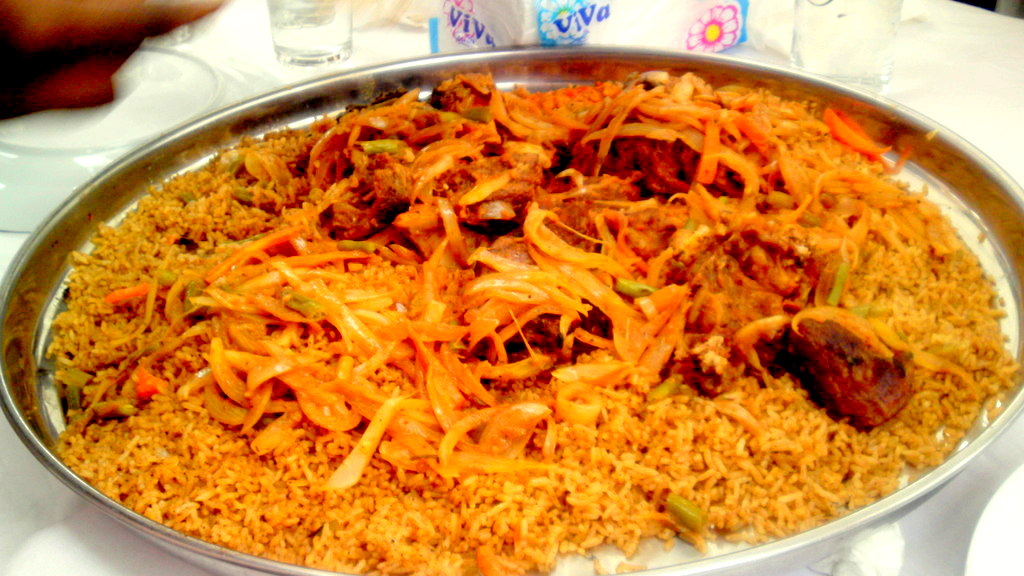 Riz grasMeat
🇧🇫 Burkina Faso and 4 moreWest African rice cooked with meat and vegetables, served hot
Main dish, Lunch, Dinner
Riz grasMeat
🇧🇫 Burkina Faso and 4 moreWest African rice cooked with meat and vegetables, served hot
Main dish, Lunch, Dinner
 GnamakoudjiVegan
🇨🇮 Ivory Coast and 4 moreWest African drink made from ginger juice, often with pineapple, lemon, or mint
Drink
GnamakoudjiVegan
🇨🇮 Ivory Coast and 4 moreWest African drink made from ginger juice, often with pineapple, lemon, or mint
Drink
 WagasiVegetarian
🇧🇯 Benin and 1 moreMild, soft cheese from cow's milk, made and eaten across northern Benin
Cheese or dairy food
WagasiVegetarian
🇧🇯 Benin and 1 moreMild, soft cheese from cow's milk, made and eaten across northern Benin
Cheese or dairy food
 FufuVegan
🇬🇭 Ghana and 4 moreA soft, starchy dough made by pounding cassava, plantain or cocoyam, eaten with soups
Main dish, Lunch, Dinner
FufuVegan
🇬🇭 Ghana and 4 moreA soft, starchy dough made by pounding cassava, plantain or cocoyam, eaten with soups
Main dish, Lunch, Dinner
Its cousins elsewhere
All sweets and desserts Rice pudding
🇮🇳 India and 4 moreSweetened rice cooked in milk, found in many forms worldwide
Sweet or dessert, Breakfast, Lunch
Rice pudding
🇮🇳 India and 4 moreSweetened rice cooked in milk, found in many forms worldwide
Sweet or dessert, Breakfast, Lunch
 MohanthalVegetarian
🇮🇳 IndiaFudge-like sweet of gram flour, ghee and sugar from western India
Sweet or dessert
MohanthalVegetarian
🇮🇳 IndiaFudge-like sweet of gram flour, ghee and sugar from western India
Sweet or dessert
 Bingsu빙수
🇰🇷 South KoreaKorean shaved ice dessert with sweet toppings like fruit and red beans
Sweet or dessert, Snacks
Bingsu빙수
🇰🇷 South KoreaKorean shaved ice dessert with sweet toppings like fruit and red beans
Sweet or dessert, Snacks
 Tres leches cakeVegetarianTres Leches
🇲🇽 Mexico and 5 moreAiry sponge cake soaked in three types of milk and topped with cream
Sweet or dessert, Tea time, Snacks
Tres leches cakeVegetarianTres Leches
🇲🇽 Mexico and 5 moreAiry sponge cake soaked in three types of milk and topped with cream
Sweet or dessert, Tea time, Snacks