
Bacalhau
Dried and salted cod, a staple of Portuguese cooking
Bacalhau is cod that has been preserved by drying and salting, central to Portuguese cuisine and widely used in former Portuguese colonies. It is made from Atlantic cod and prepared in many ways, especially for social gatherings and religious occasions such as Christmas Eve. Bacalhau is usually served with potatoes, bread, and seasoned with olive oil, garlic, and herbs.
- Over 1,000 bacalhau recipes exist in Portugal
- Bacalhau is a traditional Christmas Eve meal in parts of Portugal
- The fish is preserved by drying and salting
- Protected as Bacalhau de Cura Tradicional Portuguesa in the EU and UK
- Popular in Portugal and former Portuguese colonies
What is Bacalhau?
Bacalhau is codfish that has been dried and salted, giving it a firm texture and a savory, concentrated flavor. The fish is usually rehydrated before cooking, resulting in a flaky, tender flesh. Bacalhau is a foundation of Portuguese cooking, appearing in countless dishes. It is often paired with potatoes, bread, or yams, and seasoned with olive oil, garlic, onions, and spices. The preserved fish has a distinctive aroma and a taste that is both salty and rich.
Where does Bacalhau come from?
The practice of preserving cod by salting and drying dates back at least 500 years, linked to the age of European exploration. Portuguese, Norman, Breton, and English fishermen learned the technique from Basque fishermen in Newfoundland. By the 1700s, bacalhau had become a staple in Portugal, valued for its long shelf life and as a reliable source of protein. Its popularity grew further due to religious fasting rules, which made fish a frequent substitute for meat. Today, most bacalhau in Portugal comes from Norway and Iceland.
How is Bacalhau made?
To make bacalhau, cod is cleaned, heavily salted, and then dried, traditionally in open air. The process removes moisture and preserves the fish for long periods. Before cooking, the dried cod is soaked in water to remove excess salt and rehydrate the flesh. It is then prepared in a wide range of dishes, sometimes baked, stewed, or fried, and often combined with potatoes, onions, and olive oil. The fish is sold in various sizes and grades, from large whole pieces to smaller cuts.

How and when is Bacalhau eaten?
Bacalhau is eaten throughout the year in Portugal and in countries with Portuguese influence. It is especially popular at social gatherings and on religious occasions, such as Christmas Eve and during Lent, when meat is avoided. Bacalhau dishes are served hot or cold, often with potatoes, bread, or yams, and accompanied by wine. In shops, customers may inspect and choose their own pieces of bacalhau, reflecting its importance in daily life.
Kinds of Bacalhau
There are hundreds of ways to prepare bacalhau, with each region and family having its own favorites. Well-known dishes include Bacalhau à Brás (shredded with potatoes and eggs), Bacalhau com natas (with cream), and Bacalhau à Gomes de Sá (with onions and potatoes). Bacalhau can be baked, fried, stewed, or made into fritters. The fish is also graded by size, with larger pieces considered higher quality.
What Bacalhau means
Bacalhau is deeply woven into Portuguese identity and is sometimes called the 'loyal friend.' It is central to festive and religious meals, especially during periods of fasting. The traditional method of producing bacalhau is protected in the EU and UK. In Portugal, the fish is often sold unbranded, and shoppers select their preferred piece by touch and smell. Bacalhau's role in daily and celebratory meals highlights its cultural significance.
When Bacalhau is on the table
Questions people ask about Bacalhau
What is bacalhau made of?
Bacalhau is made from cod that has been preserved by drying and salting. The fish used is usually Atlantic cod, which is cleaned, salted, and dried before being sold.
Where does bacalhau come from?
Bacalhau is central to Portuguese cuisine and is also common in former Portuguese colonies such as Cape Verde, Angola, Brazil, and Macau. The tradition began in Portugal over 500 years ago.
How is bacalhau prepared before eating?
Before cooking, bacalhau is soaked in water to remove excess salt and rehydrate the flesh. It is then cooked in various ways, such as baking, frying, or stewing, often with potatoes and olive oil.
When is bacalhau traditionally eaten?
Bacalhau is eaten year-round but is especially popular during religious occasions like Christmas Eve, Lent, and on Fridays, when meat is avoided in Christian tradition.
What does bacalhau taste like?
Bacalhau has a firm, flaky texture and a savory, salty flavor that comes from the drying and salting process. The taste is rich and distinctive, often complemented by olive oil, garlic, and herbs.
Good reading and sources
The facts on this page come from the Wikipedia article "Bacalhau", written by its contributors and used under the CC BY-SA 4.0 licence, and from its Wikidata record (CC0). Thali rewrote the text in its own words, with AI assistance, and compares every page with the article to make sure no passage is copied. It may be reused under the same CC BY-SA 4.0 licence with a link back.
It may contain mistakes, and it is not dietary or allergy advice: recipes differ from cook to cook. If something is wrong, tell us. Last refreshed 2026-10-03.
More from Portugal
All the food of Portugal Cataplana
🇵🇹 PortugalSeafood and meat stew cooked in a sealed metal vessel from Portugal's Algarve
Main dish, Lunch, Dinner
Cataplana
🇵🇹 PortugalSeafood and meat stew cooked in a sealed metal vessel from Portugal's Algarve
Main dish, Lunch, Dinner
 ChorizoMeat
🇪🇸 Spain and 5 moreA seasoned pork sausage from the Iberian Peninsula, made in many regional styles
Sausage or cured food, Breakfast, Lunch
ChorizoMeat
🇪🇸 Spain and 5 moreA seasoned pork sausage from the Iberian Peninsula, made in many regional styles
Sausage or cured food, Breakfast, Lunch
 Empanada
🇪🇸 Spain and 5 morePastry turnovers filled with meat, cheese, or vegetables, baked or fried
Pie or savoury pastry, Lunch, Dinner
Empanada
🇪🇸 Spain and 5 morePastry turnovers filled with meat, cheese, or vegetables, baked or fried
Pie or savoury pastry, Lunch, Dinner
 VindalooMeat
🇮🇳 India and 2 moreA spicy curry of meat, vinegar and chili from Goa, now found worldwide
Main dish, Lunch, Dinner
VindalooMeat
🇮🇳 India and 2 moreA spicy curry of meat, vinegar and chili from Goa, now found worldwide
Main dish, Lunch, Dinner
Its cousins elsewhere
All main dishes ChapatiVeganचपाती
🇮🇳 India and 4 moreUnleavened flatbread cooked on a griddle and served hot with meals
Bread, Breakfast, Lunch
ChapatiVeganचपाती
🇮🇳 India and 4 moreUnleavened flatbread cooked on a griddle and served hot with meals
Bread, Breakfast, Lunch
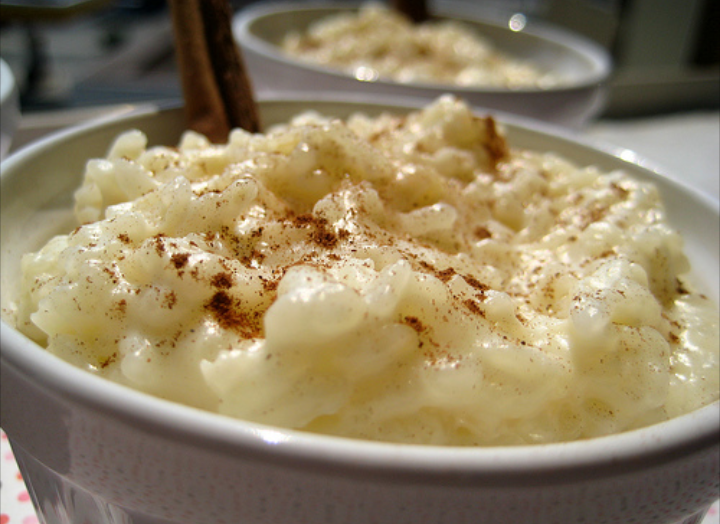 Rice pudding
🇮🇳 India and 4 moreSweetened rice cooked in milk, found in many forms worldwide
Sweet or dessert, Breakfast, Lunch
Rice pudding
🇮🇳 India and 4 moreSweetened rice cooked in milk, found in many forms worldwide
Sweet or dessert, Breakfast, Lunch
 Pelmeniпельмени
🇷🇺 RussiaRussian dumplings filled with seasoned meat and wrapped in thin dough
Dumpling, Lunch, Dinner
Zereshk poloMeatزرشکپلو
🇮🇷 Iran and 1 morePersian rice with tart barberries, often served with saffron chicken
Main dish, Lunch, Dinner
Pelmeniпельмени
🇷🇺 RussiaRussian dumplings filled with seasoned meat and wrapped in thin dough
Dumpling, Lunch, Dinner
Zereshk poloMeatزرشکپلو
🇮🇷 Iran and 1 morePersian rice with tart barberries, often served with saffron chicken
Main dish, Lunch, Dinner