
Bánh mì
A Vietnamese baguette sandwich with savory fillings and pickled vegetables
Bánh mì is a Vietnamese sandwich made with a crisp, airy baguette, typically filled with meats, pickled vegetables, herbs, and condiments. Originating in southern Vietnam in the 1950s, it blends French and Vietnamese ingredients and is now enjoyed for breakfast or as a snack both in Vietnam and abroad.
- Vietnamese baguette often combines wheat and rice flour
- First Vietnamese-style bánh mì sandwich appeared in Saigon in the 1950s
- Common fillings include pork, sausage, pickled vegetables, and herbs
- Eaten for breakfast or as a snack in Vietnam
- Bánh mì shops are now found in Australia, the US, and beyond
What is Bánh mì?
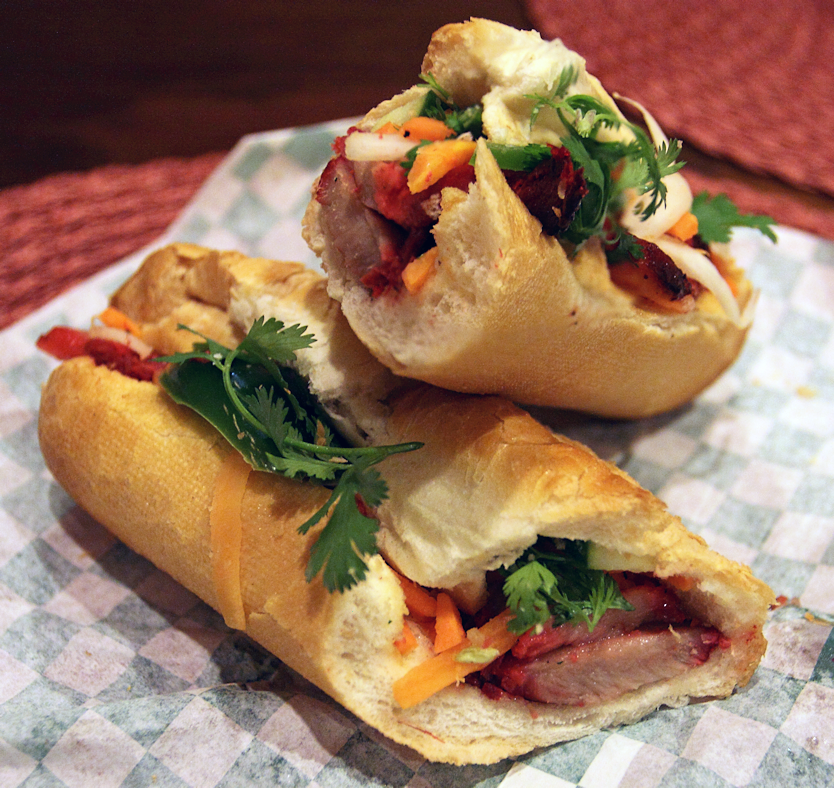
Bánh mì is a Vietnamese sandwich built on a small, light baguette with a thin, crisp crust. The bread is often made with a mix of wheat and rice flour, giving it a soft interior. Fillings can include cold cuts, grilled meats, or tofu, along with pickled carrot and daikon, cucumber, fresh coriander, and spicy chili. Condiments like mayonnaise and pâté, borrowed from French cooking, are common. The result is a sandwich with contrasting textures and a balance of savory, sour, and spicy flavors.
Where does Bánh mì come from?
The French brought the baguette to Vietnam in the 19th century, where it was first seen as a luxury. Over time, local bakers began using rice flour, making the bread more accessible and better suited to the climate. In the 1950s, a uniquely Vietnamese sandwich style took shape in Saigon, combining local ingredients and French condiments. This new creation became a popular street food, especially after the influx of northern migrants to the south. Vietnamese communities later introduced bánh mì to other countries, where it has become a familiar offering in bakeries and restaurants.
How is Bánh mì made?
To make bánh mì, a Vietnamese-style baguette is sliced open and spread with condiments such as mayonnaise and pâté. The sandwich is then filled with a main protein, which could be sliced pork, sausage, grilled chicken, or tofu. Pickled vegetables—usually carrot and daikon—are added, along with fresh cucumber, coriander, and slices of chili for heat. The sandwich is assembled to balance crunch, freshness, and richness in every bite. Some versions use sardines, fried eggs, or even ice cream as fillings.


How and when is Bánh mì eaten?
In Vietnam, bánh mì is commonly eaten in the morning or as a quick snack throughout the day. It is sold by street vendors and bakeries, often wrapped in paper for easy eating on the go. People may enjoy it plain, dipped in condensed milk, or served with stews and curries. Abroad, bánh mì is popular in Vietnamese bakeries and has been adapted by fast food chains. It is a familiar sight in cities with large Vietnamese communities, where it is enjoyed by people from many backgrounds.
Kinds of Bánh mì
There are many types of bánh mì, each with its own fillings. Some feature cold cuts and pâté, while others use grilled pork, shredded pork skin, fish patties, or vegetarian options like tofu. In Vietnam, bánh mì que is a thinner, longer version. Some sandwiches are filled with fried eggs or even ice cream for a sweet treat. Outside Vietnam, local twists appear, such as the 'Vietnamese po' boy' in New Orleans or special versions in Australia and Hong Kong.
What Bánh mì means
Bánh mì is a symbol of Vietnam’s blending of local and colonial influences. It is a daily staple and a source of pride, featured in documentaries and celebrated in food festivals. The sandwich has become a marker of Vietnamese identity abroad and is widely recognized in global food culture. In recent years, it has been highlighted by international media, and even inspired special menu items at fast food chains. Its popularity continues to grow in many countries.
Questions people ask about Bánh mì
What is bánh mì made of?
Bánh mì uses a light, crisp baguette filled with ingredients like pork, sausage, pâté, pickled carrot and daikon, cucumber, coriander, chili, and sometimes tofu or egg. Mayonnaise and other condiments are often included.
Where did bánh mì originate?
Bánh mì originated in southern Vietnam, especially Saigon, in the 1950s. It was inspired by the French baguette, which arrived in Vietnam during the colonial period.
Is bánh mì always made with meat?
No, while many versions use pork, sausage, or chicken, there are vegetarian options with tofu or seitan. Some even use fried eggs or ice cream as fillings.
When do people usually eat bánh mì?
In Vietnam, bánh mì is most often eaten for breakfast or as a snack. It is sold by street vendors and bakeries throughout the day.
What makes the bread for bánh mì different?
The Vietnamese baguette used for bánh mì is lighter than the French version, with a thin crust and a soft, airy inside. It often contains both wheat and rice flour.
Good reading and sources
- Saigon-Style Banh MiLos Angeles Times, Recipe
- KFC’s bánh mì has its name but not its nature. Who is this sandwich for?The Guardian, Article
The facts on this page come from the Wikipedia article "Bánh mì", written by its contributors and used under the CC BY-SA 4.0 licence, and from its Wikidata record (CC0). Thali rewrote the text in its own words, with AI assistance, and compares every page with the article to make sure no passage is copied. It may be reused under the same CC BY-SA 4.0 licence with a link back.
It may contain mistakes, and it is not dietary or allergy advice: recipes differ from cook to cook. If something is wrong, tell us. Last refreshed 2026-10-03.
More from Vietnam
All the food of Vietnam BalutMeat
🇵🇭 Philippines and 3 moreA fertilized duck egg incubated, then boiled and eaten from the shell
Street food, Snacks
BalutMeat
🇵🇭 Philippines and 3 moreA fertilized duck egg incubated, then boiled and eaten from the shell
Street food, Snacks
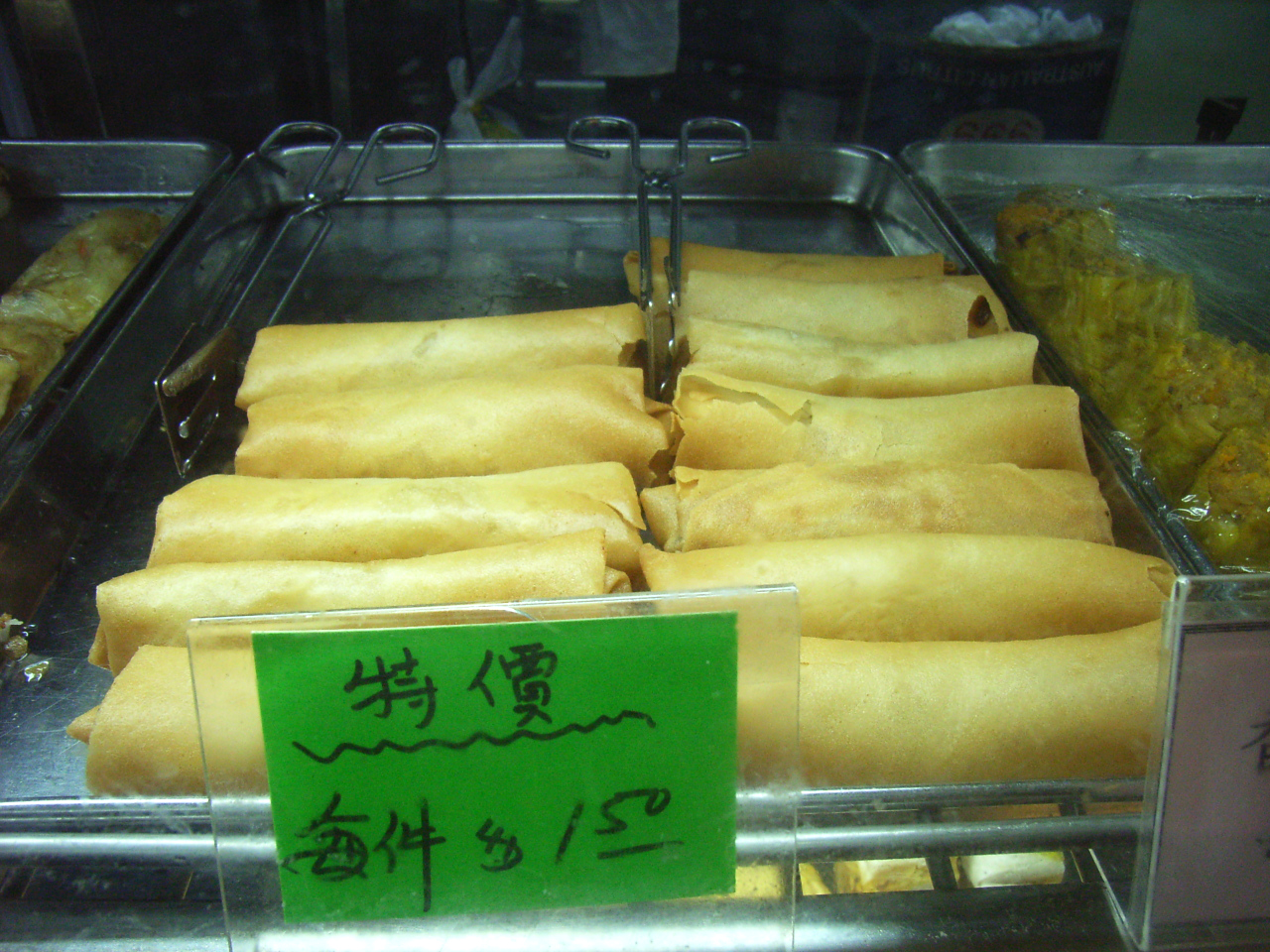 Spring roll春卷
🇨🇳 China and 5 moreA thin wrapper rolled around vegetables or meat, served fried or fresh
Main dish, Snacks, Lunch
Spring roll春卷
🇨🇳 China and 5 moreA thin wrapper rolled around vegetables or meat, served fried or fresh
Main dish, Snacks, Lunch
 Wonton云吞
🇨🇳 China and 5 moreChinese dumplings with a thin wrapper, filled and served in soup or fried
Dumpling, Lunch, Dinner
Wonton云吞
🇨🇳 China and 5 moreChinese dumplings with a thin wrapper, filled and served in soup or fried
Dumpling, Lunch, Dinner
Its cousins elsewhere
All sandwiches and wraps Tea sandwich
🇬🇧 United Kingdom and 1 moreSmall, crustless sandwiches served at afternoon tea
Sandwich or wrap, Tea time
Tea sandwich
🇬🇧 United Kingdom and 1 moreSmall, crustless sandwiches served at afternoon tea
Sandwich or wrap, Tea time
 Hot dogMeat
🇺🇸 United States and 2 moreA sausage in a sliced bun, topped with condiments and eaten hot
Street food, Lunch, Dinner
Hot dogMeat
🇺🇸 United States and 2 moreA sausage in a sliced bun, topped with condiments and eaten hot
Street food, Lunch, Dinner
 ZapiekankaVegetarian
🇵🇱 PolandA toasted open-face baguette sandwich with mushrooms, cheese, and ketchup
Street food, Snacks, Lunch
ZapiekankaVegetarian
🇵🇱 PolandA toasted open-face baguette sandwich with mushrooms, cheese, and ketchup
Street food, Snacks, Lunch
 Smørrebrød
🇳🇴 Norway and 1 moreOpen-faced sandwich on rye bread with assorted toppings, from Denmark
Main dish, Lunch, Dinner
Smørrebrød
🇳🇴 Norway and 1 moreOpen-faced sandwich on rye bread with assorted toppings, from Denmark
Main dish, Lunch, Dinner