
Beshbarmak
Central Asian noodles with chopped boiled meat and onion sauce, eaten with the hands
Beshbarmak is a Central Asian dish of boiled meat, hand-cut noodles, and onion sauce, traditionally eaten with the hands. It is shared from large platters at gatherings in Kyrgyzstan, Kazakhstan, and neighboring regions, and is often served at festive occasions after a mutton broth.
- Traditionally eaten with the hands from a shared platter
- Made with boiled meat, hand-cut noodles, and onion sauce
- Serving rituals assign special cuts to guests by age and status
- Common at festivals, weddings, and family gatherings
- Known by different names in various Central Asian regions
What is Beshbarmak?
Beshbarmak is a dish of finely chopped boiled meat, usually lamb or sometimes horse, served over wide, hand-cut noodles with a broth and an onion sauce called chyk. The name means 'five fingers' in Turkic languages, pointing to the custom of eating it by hand. The dish is typically arranged on a large platter for sharing, with the meat and noodles layered and topped with onions. The flavors are rich and meaty, with the broth and onions adding depth and a slight sweetness.
Where does Beshbarmak come from?
Beshbarmak comes from the nomadic cultures of Central Asia, where people relied on livestock for food. Its name and eating style reflect these roots. The dish became a symbol of national cuisine in the Soviet era, shaped by Russian ethnographic interest and cookbooks that highlighted traditional foods. While the name 'beshbarmak' is now widely used, local names and customs persist across regions such as Kyrgyzstan, Kazakhstan, Bashkortostan, and Turkmenistan.
How is Beshbarmak made?
To make beshbarmak, meat such as lamb, horse, or sausage is boiled until tender. The dough for the noodles is made from flour, water, eggs, and salt, then rested, rolled out thin, and cut into strips. The meat is chopped finely and mixed with the noodles, then topped with a sauce of onions and broth. Everything is served hot on a communal platter, often after a first course of mutton broth.


How and when is Beshbarmak eaten?
Beshbarmak is eaten at family gatherings, festivals, and weddings, often as a main meal for lunch or dinner. It is shared from a large platter, with diners using their hands to eat. The serving of different cuts of meat follows a ritual, with elders and honored guests receiving the choicest pieces. The meal is usually preceded by a bowl of broth and followed by a drink made from broth mixed with fermented milk.
Kinds of Beshbarmak
Names and details of beshbarmak vary by region. In Xinjiang, Uzbekistan, Kyrgyzstan, and Kazakhstan, it is called naryn; in Karakalpakstan and Dagestan, turama; in Turkmenistan, dograma; and in Bashkortostan and Tatarstan, bişbarmaq or qullama. The type of meat and the shape of the noodles may change with local tradition and season. Festive versions may include horsemeat sausage or special cuts.
What Beshbarmak means
Beshbarmak holds a central place in the food culture of Central Asia, symbolizing hospitality and respect. The rituals of serving, especially at celebrations, reflect social hierarchy and tradition. The dish is a marker of identity for several Turkic peoples and is featured in national celebrations and important family events.
Questions people ask about Beshbarmak
What is beshbarmak made of?
Beshbarmak is made from boiled meat, usually lamb or sometimes horse, served over hand-cut noodles and topped with an onion sauce. The ingredients are simple but the dish is rich and filling.
Where does beshbarmak come from?
Beshbarmak comes from Central Asia, especially Kyrgyzstan and Kazakhstan, and is also found in regions of Russia, Turkmenistan, and Uzbekistan. It reflects the food traditions of nomadic peoples.
How is beshbarmak traditionally eaten?
It is eaten with the hands from a communal platter. The host serves different cuts of meat to guests based on age and status, following established rituals.
Are there different versions of beshbarmak?
Yes, the dish has various local names and slight differences in preparation across Central Asia. The type of meat, noodle shape, and added ingredients can vary by region and occasion.
When is beshbarmak usually served?
Beshbarmak is served at lunch or dinner, especially during festivals, weddings, and family gatherings. It is a dish for sharing and celebration.
Good reading and sources
The facts on this page come from the Wikipedia article "Beshbarmak", written by its contributors and used under the CC BY-SA 4.0 licence, and from its Wikidata record (CC0). Thali rewrote the text in its own words, with AI assistance, and compares every page with the article to make sure no passage is copied. It may be reused under the same CC BY-SA 4.0 licence with a link back.
It may contain mistakes, and it is not dietary or allergy advice: recipes differ from cook to cook. If something is wrong, tell us. Last refreshed 2026-10-03.
More from Kyrgyzstan
All the food of Kyrgyzstan MantiMeat
🇺🇿 Uzbekistan and 5 moreSpiced meat dumplings wrapped in thin dough, steamed, boiled or baked
Dumpling, Lunch, Dinner
MantiMeat
🇺🇿 Uzbekistan and 5 moreSpiced meat dumplings wrapped in thin dough, steamed, boiled or baked
Dumpling, Lunch, Dinner
 LaghmanMeatلەغمەن
🇨🇳 China and 5 moreHand-pulled noodles with meat and vegetables in a savoury broth
Noodle or pasta dish, Lunch, Dinner
LaghmanMeatلەغمەن
🇨🇳 China and 5 moreHand-pulled noodles with meat and vegetables in a savoury broth
Noodle or pasta dish, Lunch, Dinner
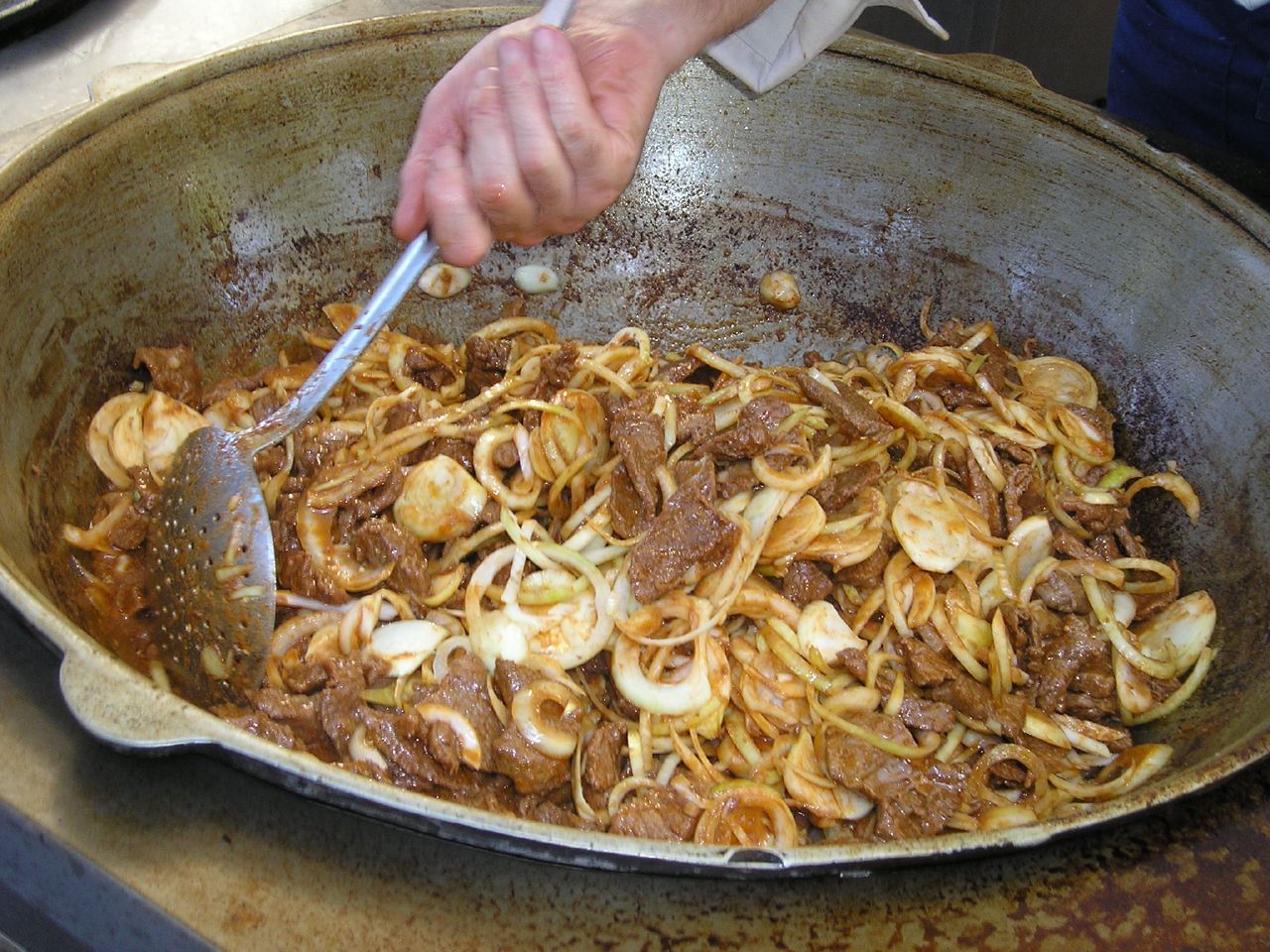 KuurdakMeat
🇰🇬 Kyrgyzstan and 4 moreCentral Asian fried meat and offal, often with onions and sometimes potatoes
Main dish
KuurdakMeat
🇰🇬 Kyrgyzstan and 4 moreCentral Asian fried meat and offal, often with onions and sometimes potatoes
Main dish
 NarynMeat
🇰🇬 Kyrgyzstan and 3 moreCentral Asian noodles with horse or lamb and onion
Main dish, Lunch, Dinner
NarynMeat
🇰🇬 Kyrgyzstan and 3 moreCentral Asian noodles with horse or lamb and onion
Main dish, Lunch, Dinner
Its cousins elsewhere
All main dishes Taco
🇲🇽 Mexico and 1 moreA folded tortilla filled with meat, beans or vegetables, eaten by hand
Street food, Lunch, Dinner
Blood sausageMeat
🇫🇷 France and 5 moreA sausage made with animal blood, fillers and spices, cooked or dried until firm
Main dish, Lunch, Dinner
Taco
🇲🇽 Mexico and 1 moreA folded tortilla filled with meat, beans or vegetables, eaten by hand
Street food, Lunch, Dinner
Blood sausageMeat
🇫🇷 France and 5 moreA sausage made with animal blood, fillers and spices, cooked or dried until firm
Main dish, Lunch, Dinner
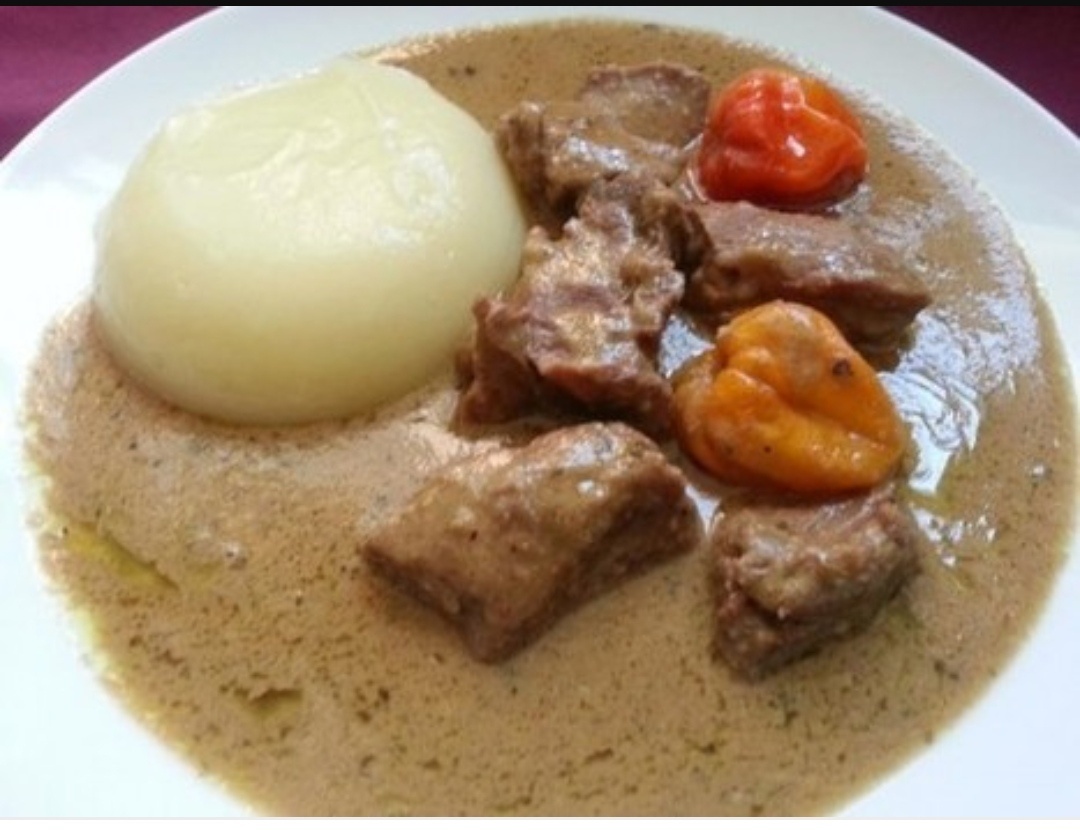 Peanut stew
🇸🇳 Senegal and 5 moreA rich West African stew of meat and vegetables in a spiced peanut sauce
Stew or curry, Lunch, Dinner
Peanut stew
🇸🇳 Senegal and 5 moreA rich West African stew of meat and vegetables in a spiced peanut sauce
Stew or curry, Lunch, Dinner
 Bariis iskukarisMeat
🇸🇴 SomaliaSomali rice cooked with meat, spices and vegetables in one pot
Main dish, Lunch, Dinner
Bariis iskukarisMeat
🇸🇴 SomaliaSomali rice cooked with meat, spices and vegetables in one pot
Main dish, Lunch, Dinner