
Carapulcra
Peruvian stew of pork, dried potato, peanuts and peppers
Carapulcra is a traditional stew from Peru with roots in ancient Andean cooking. It combines pork, dried potatoes, peanuts, aji panca and mirasol peppers, garlic, and spices such as clove. Originally made with llama or alpaca, it is now usually served with rice, potatoes, or yuca.
- Made with pork, dried potatoes, peanuts, and Peruvian peppers
- Dates back to ancient Andean cultures
- Sometimes still prepared with llama or alpaca meat
- Usually served with rice, potatoes, or yuca
What is Carapulcra?
Carapulcra is a hearty stew that brings together pork, dried potatoes—known locally as papa seca—peanuts, and two kinds of Peruvian peppers: aji panca and mirasol. Garlic and clove add depth to the flavor. The dish is thick and rustic, with a rich, earthy taste from the potatoes and a gentle heat from the peppers. The peanuts give it a nutty undertone, and the pork makes it filling. It is usually served with rice, boiled potatoes, or yuca, making for a substantial meal.
Where does Carapulcra come from?
Carapulcra traces its origins to the Andes, where it was prepared for generations by both Quechua and Aymara communities. The dish has been part of local food traditions for centuries. While pork is the most common meat today, earlier versions often used llama or alpaca. The name comes from indigenous languages, reflecting the dish’s deep roots in Andean culture. Over time, it has become a staple in Peruvian and Bolivian kitchens.
How is Carapulcra made?
To make carapulcra, pork is simmered with dried potatoes, which are rehydrated in the cooking process. Peanuts are ground and added for flavor and texture. The stew is seasoned with aji panca and mirasol peppers, giving it color and a mild spice, along with garlic and clove for aroma. The mixture cooks slowly, allowing the flavors to blend and the potatoes to soften. The result is a thick, savory stew.
How and when is Carapulcra eaten?
Carapulcra is eaten as a main dish, often at family meals or gatherings. It is typically accompanied by rice, boiled potatoes, or yuca, which help soak up the sauce. The stew is enjoyed throughout the year and is not tied to any particular festival or religious event. It is a familiar comfort food for many in Peru and Bolivia.
Kinds of Carapulcra
While pork is the standard meat in modern carapulcra, some cooks still use llama or alpaca, especially in rural areas. The basic ingredients remain the same, but the type of meat can change. In some regions, the stew may be served with different sides, such as cassava (yuca) instead of rice or potatoes. The use of spices and peppers may also vary slightly from one cook to another.
What Carapulcra means
Carapulcra is a symbol of Andean heritage and is recognized as one of Peru’s oldest dishes. It reflects the blending of indigenous ingredients and cooking methods with later influences. The dish is a point of pride in Peruvian cuisine and is often mentioned among classic national foods. It is commonly found in homes and local restaurants, especially in Lima and the Andes.
Questions people ask about Carapulcra
What is carapulcra made of?
Carapulcra is made with pork, dried potatoes, peanuts, aji panca and mirasol peppers, garlic, and clove. These ingredients are simmered together to create a thick, flavorful stew.
Where does carapulcra come from?
Carapulcra comes from Peru and has roots in the ancient Andean region. It is also found in Bolivian cooking and is linked to Quechua and Aymara traditions.
What does carapulcra taste like?
Carapulcra has a rich, earthy flavor from the dried potatoes, a mild heat from the peppers, and a nutty undertone from the peanuts. The pork makes it hearty and savory.
How is carapulcra served?
It is usually served as a main dish, accompanied by rice, boiled potatoes, or yuca. The sides help absorb the thick sauce of the stew.
Is carapulcra always made with pork?
While pork is most common today, some people still use llama or alpaca meat, especially in rural areas. The dish originally used these Andean meats.
Good reading and sources
The facts on this page come from the Wikipedia article "Carapulcra", written by its contributors and used under the CC BY-SA 4.0 licence, and from its Wikidata record (CC0). Thali rewrote the text in its own words, with AI assistance, and compares every page with the article to make sure no passage is copied. It may be reused under the same CC BY-SA 4.0 licence with a link back.
It may contain mistakes, and it is not dietary or allergy advice: recipes differ from cook to cook. If something is wrong, tell us. Last refreshed 2026-10-03.
More from Peru
All the food of Peru Huatia
🇵🇪 Peru and 2 moreAndean food cooked in a traditional earth oven of heated stones
Main dish
Huatia
🇵🇪 Peru and 2 moreAndean food cooked in a traditional earth oven of heated stones
Main dish
 ChunchulloMeat
🇦🇷 Argentina and 5 moreBraided and roasted small intestine, a grill favorite in Latin America
Main dish, Lunch, Dinner
ChunchulloMeat
🇦🇷 Argentina and 5 moreBraided and roasted small intestine, a grill favorite in Latin America
Main dish, Lunch, Dinner
 PachamancaMeat
🇵🇪 Peru and 1 moreAndean meats and vegetables slow-cooked with hot stones in an earthen oven
Main dish, Lunch, Dinner
PachamancaMeat
🇵🇪 Peru and 1 moreAndean meats and vegetables slow-cooked with hot stones in an earthen oven
Main dish, Lunch, Dinner
 Rocoto rellenoMeat
🇵🇪 PeruPeruvian stuffed rocoto peppers baked with meat and cheese
Main dish, Lunch, Dinner
Rocoto rellenoMeat
🇵🇪 PeruPeruvian stuffed rocoto peppers baked with meat and cheese
Main dish, Lunch, Dinner
Its cousins elsewhere
All main dishes Choucroute garnieMeat
🇫🇷 FranceAlsatian sauerkraut cooked with sausages, pork, and potatoes
Main dish, Lunch, Dinner
Choucroute garnieMeat
🇫🇷 FranceAlsatian sauerkraut cooked with sausages, pork, and potatoes
Main dish, Lunch, Dinner
 Mu pingMeatหมูปิ้ง
🇹🇭 ThailandCharcoal-grilled pork skewers, a popular Thai street food often served with sticky rice
Street food, Breakfast, Lunch
Mu pingMeatหมูปิ้ง
🇹🇭 ThailandCharcoal-grilled pork skewers, a popular Thai street food often served with sticky rice
Street food, Breakfast, Lunch
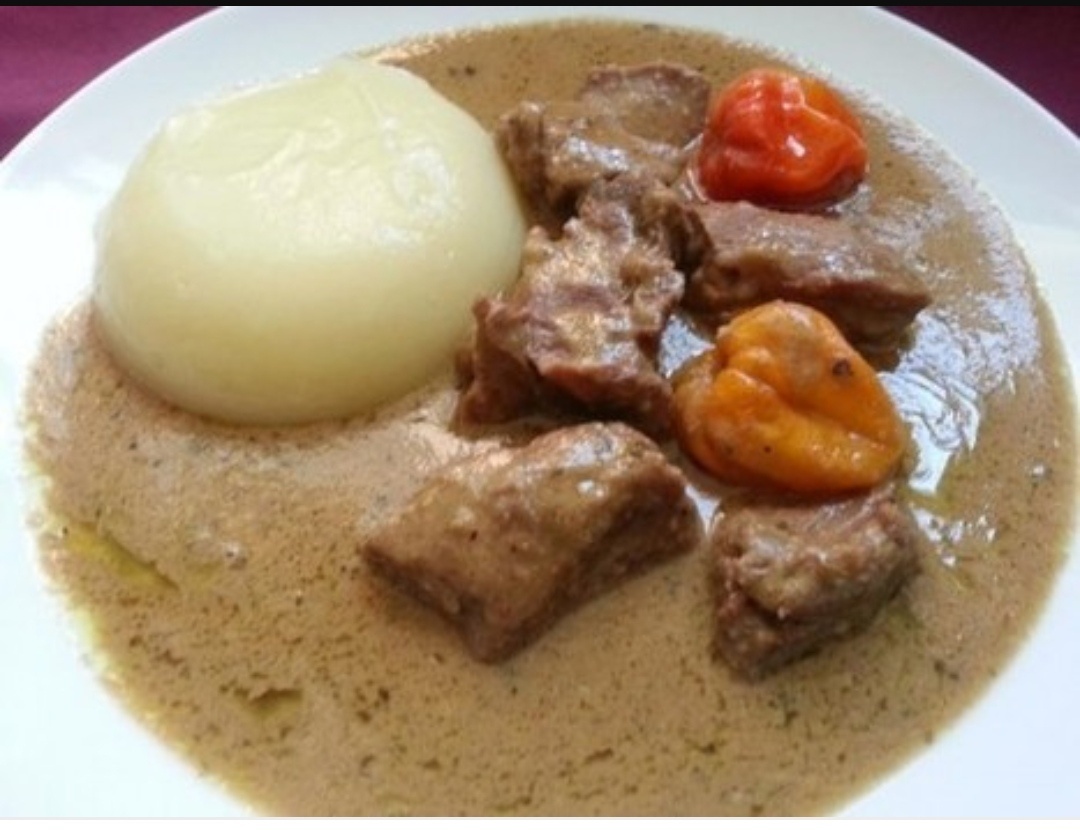 Peanut stew
🇸🇳 Senegal and 5 moreA rich West African stew of meat and vegetables in a spiced peanut sauce
Stew or curry, Lunch, Dinner
Peanut stew
🇸🇳 Senegal and 5 moreA rich West African stew of meat and vegetables in a spiced peanut sauce
Stew or curry, Lunch, Dinner
 Cataplana
🇵🇹 PortugalSeafood and meat stew cooked in a sealed metal vessel from Portugal's Algarve
Main dish, Lunch, Dinner
Cataplana
🇵🇹 PortugalSeafood and meat stew cooked in a sealed metal vessel from Portugal's Algarve
Main dish, Lunch, Dinner