
Carnitas
Pork slow-cooked in lard until tender, then crisped and shredded
Carnitas is a Mexican dish of pork cooked slowly in lard or its own fat until very tender, then finished at high heat to crisp the outside. The meat is usually served hot, often in tacos with toppings like cilantro, onion, salsa, guacamole, and refried beans. It is especially associated with the region of Michoacán.
- Carnitas means 'little meats' in Spanish.
- Traditionally made by simmering pork in lard for several hours.
- The meat is crisped at the end and then shredded or chopped.
- Often served in tacos with cilantro, onion, and salsa.
- Michoacán is especially known for its carnitas.
What is Carnitas?
Carnitas are made by slowly cooking pork, often from fatty cuts like Boston butt or picnic ham, in lard or its own fat. The long cooking makes the meat soft and juicy, while a final increase in heat crisps the outside. The finished pork is usually pulled apart or chopped. Carnitas are most often served as a filling for tacos, but also appear in tamales, tortas, and burritos. Typical toppings include chopped cilantro, diced onion, salsa, guacamole, and refried beans.
Where does Carnitas come from?
The dish traces its roots to a French preparation called rillons de Tours, which became known in Mexico as chicharrón de Tours. Over time, the name 'carnitas' was adopted, especially among working-class communities and in neighborhood pork shops and slaughterhouses. Carnitas have become a staple of Mexican cuisine, particularly in Michoacán, where the tradition of slow-cooking pork in lard is well established.
How is Carnitas made?
To make carnitas, pork is seasoned and placed in a heavy pot with lard or its own rendered fat. The meat is simmered gently over low heat for several hours until it becomes very tender. Once the pork is soft enough to pull apart, the heat is raised so the outside crisps up. The meat is then shredded or chopped, ready to be used in various dishes. Some versions may use chicken, but pork is traditional.

How and when is Carnitas eaten?
Carnitas are typically eaten hot, often as a main dish for lunch or dinner. The meat is most commonly served in tacos, with toppings like cilantro, onion, salsa, and guacamole. Refried beans and warm tortillas are usual accompaniments. Carnitas can also be found in tamales, tortas, and burritos. They are a popular everyday food in Mexico, enjoyed in homes, markets, and restaurants.
Kinds of Carnitas
While pork is the classic choice, some cooks prepare carnitas with chicken, using a similar slow-cooking method. The dish may vary in seasoning and accompaniments depending on the region. In Michoacán, the traditional method uses only pork and lard, while other areas may add spices or cook in oil. The texture can range from finely shredded to chunky pieces, depending on preference.
What Carnitas means
Carnitas hold a special place in Mexican daily life, especially in Michoacán, where they are a point of regional pride. The dish is often sold in local markets and pork shops, reflecting its roots in working-class neighborhoods. Carnitas are not tied to specific festivals or religious occasions, but are a beloved part of everyday meals and gatherings.
Questions people ask about Carnitas
What is carnitas made of?
Carnitas is made from pork, usually from fatty cuts like Boston butt or picnic ham, slow-cooked in lard or its own fat until tender, then crisped and shredded.
Where does carnitas come from?
Carnitas comes from Mexico, with a particular association to the region of Michoacán. Its origins are linked to a French dish called rillons de Tours.
How is carnitas served?
Carnitas is most often served hot as a filling for tacos, along with toppings like chopped cilantro, diced onion, salsa, guacamole, and refried beans. It also appears in tamales, tortas, and burritos.
What does carnitas taste like?
Carnitas has a rich, savory flavor with a tender, juicy texture inside and a crisp exterior, thanks to slow-cooking in fat and a final high-heat finish.
Is carnitas always made with pork?
Pork is traditional, but some versions use chicken cooked in a similar way. However, the classic dish is made with pork.
Good reading and sources
The facts on this page come from the Wikipedia article "Carnitas", written by its contributors and used under the CC BY-SA 4.0 licence, and from its Wikidata record (CC0). Thali rewrote the text in its own words, with AI assistance, and compares every page with the article to make sure no passage is copied. It may be reused under the same CC BY-SA 4.0 licence with a link back.
It may contain mistakes, and it is not dietary or allergy advice: recipes differ from cook to cook. If something is wrong, tell us. Last refreshed 2026-10-03.
More from Mexico
All the food of Mexico Taco
🇲🇽 Mexico and 1 moreA folded tortilla filled with meat, beans or vegetables, eaten by hand
Street food, Lunch, Dinner
Blood sausageMeat
🇫🇷 France and 5 moreA sausage made with animal blood, fillers and spices, cooked or dried until firm
Main dish, Lunch, Dinner
Taco
🇲🇽 Mexico and 1 moreA folded tortilla filled with meat, beans or vegetables, eaten by hand
Street food, Lunch, Dinner
Blood sausageMeat
🇫🇷 France and 5 moreA sausage made with animal blood, fillers and spices, cooked or dried until firm
Main dish, Lunch, Dinner
 MolleteVegetarian
🇲🇽 Mexico and 6 moreOpen-faced Mexican sandwich with refried beans and melted cheese
Bread, Breakfast, Snacks
MolleteVegetarian
🇲🇽 Mexico and 6 moreOpen-faced Mexican sandwich with refried beans and melted cheese
Bread, Breakfast, Snacks
 BarbacoaMeat
🇲🇽 Mexico and 3 moreMeat slow-cooked in a pit lined with agave or banana leaves
Main dish, Lunch, Dinner
BarbacoaMeat
🇲🇽 Mexico and 3 moreMeat slow-cooked in a pit lined with agave or banana leaves
Main dish, Lunch, Dinner
Its cousins elsewhere
All main dishes BigosMeat
🇵🇱 Poland and 5 morePolish stew of mixed meats, sauerkraut and cabbage, simmered with spices
Stew or curry, Breakfast, Dinner
BigosMeat
🇵🇱 Poland and 5 morePolish stew of mixed meats, sauerkraut and cabbage, simmered with spices
Stew or curry, Breakfast, Dinner
 PljeskavicaMeatпљескавица
🇷🇸 Serbia and 5 moreGrilled Balkan patty of spiced minced meats, served hot with sides or in flatbread
Main dish, Lunch, Dinner
PljeskavicaMeatпљескавица
🇷🇸 Serbia and 5 moreGrilled Balkan patty of spiced minced meats, served hot with sides or in flatbread
Main dish, Lunch, Dinner
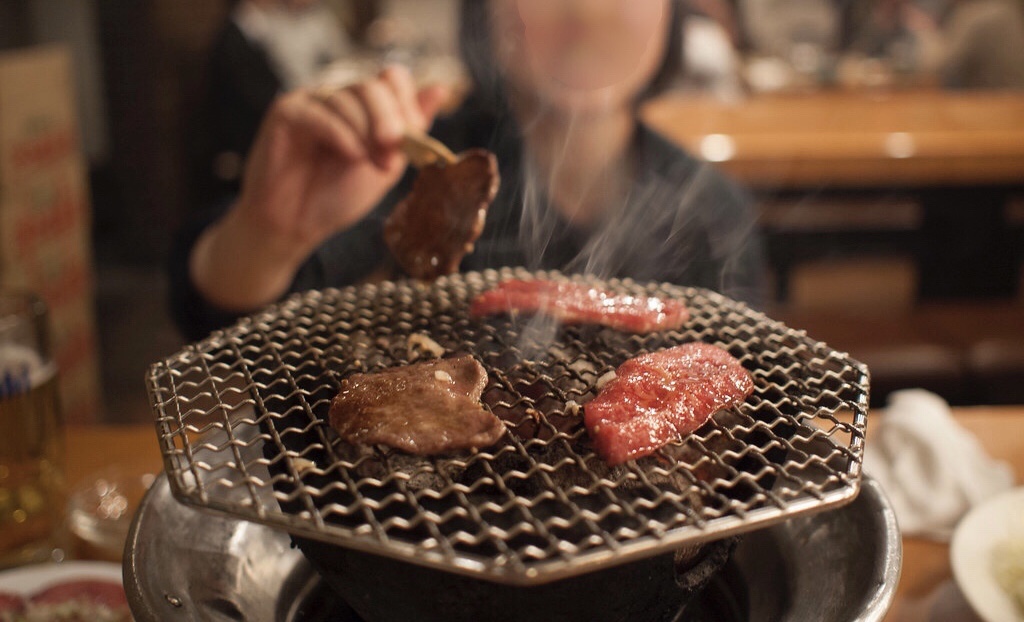 YakinikuMeat焼肉
🇯🇵 Japan and 2 moreJapanese grilled meat cooked at the table and dipped in savoury sauces
Main dish, Dinner, Lunch
YakinikuMeat焼肉
🇯🇵 Japan and 2 moreJapanese grilled meat cooked at the table and dipped in savoury sauces
Main dish, Dinner, Lunch
 Xiaolongbao小笼包
🇨🇳 China and 1 moreSmall steamed buns with a savoury filling and hot soup inside
Dumpling, Breakfast, Snacks
Xiaolongbao小笼包
🇨🇳 China and 1 moreSmall steamed buns with a savoury filling and hot soup inside
Dumpling, Breakfast, Snacks