
Chili con carne
A spicy stew of meat and chili peppers from Mexico and the United States
Chili con carne is a spicy stew made with chili peppers, meat (often beef), tomatoes, and beans, with seasonings like garlic, onion, and cumin. It began in Mexico and became popular in the United States, especially Texas, where it is a well-known dish. Chili is eaten as a main meal, often at cook-offs or casual gatherings, and can be served with cheese, salsas, or tortillas.
- Chili con carne means 'chili with meat' in Spanish
- Earliest versions were made with dried beef and chili peppers
- Beans and tomatoes are debated ingredients among chili fans
- Named the official dish of Texas in 1977
- Vegetarian and white chili are popular modern variations
What is Chili con carne?
Chili con carne is a hearty stew built around chili peppers and meat, usually beef, with tomatoes and beans added in many versions. The dish is deeply flavored with spices such as cumin, garlic, and onions. Its color ranges from deep red to brown, depending on the type of chili and tomato used. The taste is robust and spicy, with the heat level varying by recipe. Chili is often topped with cheese or salsa and served with tortillas, crackers, or cornbread.
Where does Chili con carne come from?
Chili con carne has roots in Mexico, where stews with chili peppers and meat were recorded as early as the 16th century in the Aztec capital. The use of beef became common after cattle were introduced by the Spanish. By the 19th century, dried beef stewed with chili was a staple for ranchers and travelers in Mexico. The dish spread to Texas, where it became popular in chili parlors and with the 'chili queens' of San Antonio. In 1977, it was named the official dish of Texas.
How is Chili con carne made?
To make chili con carne, meat is cooked with chili peppers, either fresh or as chili powder. Tomatoes and beans are often added, though some cooks leave them out. Garlic, onions, and cumin are common seasonings. The mixture is simmered until the flavors meld and the stew thickens. Some recipes use dried beef, while others use fresh cuts. Vegetarian versions replace meat with beans or vegetables. Chili is often garnished with cheese or sour cream before serving.


How and when is Chili con carne eaten?
Chili con carne is typically eaten as a main dish at lunch or dinner. It is served in bowls, sometimes with grated cheese, diced onions, or sour cream on top. Common sides include tortilla chips, crackers, cornbread, or tortillas. In some regions, chili is served over rice or pasta. In the Midwest, it may be paired with cinnamon rolls. Chili is a popular choice for casual gatherings, cook-offs, and as a comfort food at home.
Kinds of Chili con carne
There are many versions of chili con carne. Vegetarian chili leaves out the meat and often adds extra beans or vegetables. White chili uses chicken or turkey, white beans, and green chili peppers for a lighter color and flavor. Cactus chili includes sliced cactus along with traditional ingredients. Regional styles, such as Cincinnati chili, are served over spaghetti and have their own spice blends. Some recipes are fiercely debated, especially over the inclusion of beans or tomatoes.
What Chili con carne means
Chili con carne is a symbol of Texan and Southwestern American food culture. It is central to chili cook-offs, where cooks compete over recipes and ingredients. The dish is tied to the history of working-class cooks and the 'chili queens' of San Antonio. Chili parlors spread its popularity across the United States. Today, it is found in restaurants, homes, and even canned in supermarkets. Its role as Texas's official state dish highlights its cultural importance.
Questions people ask about Chili con carne
What is chili con carne made of?
Chili con carne is made with chili peppers, meat (usually beef), tomatoes, and beans, along with seasonings like garlic, onion, and cumin. Some recipes leave out beans or tomatoes.
Where does chili con carne come from?
Chili con carne originated in Mexico, where chili pepper stews were eaten in the Aztec era. It became popular in Texas and the United States, especially through chili parlors and cook-offs.
Are beans always included in chili con carne?
Beans are a common ingredient in many versions, but their inclusion is debated. Some cooks insist on chili without beans, while others consider them traditional, especially in Tex-Mex cooking.
What are some popular variations of chili con carne?
Popular variations include vegetarian chili (without meat), white chili (with chicken or turkey and white beans), and cactus chili (with sliced cactus). Regional styles like Cincinnati chili are also well known.
How is chili con carne usually served?
Chili con carne is served as a main dish, often with toppings like cheese or sour cream. It may come with tortilla chips, crackers, cornbread, or tortillas, and in some areas, it is served over rice or pasta.
Good reading and sources
- Everything You Know About Tex-Mex Is WrongEater, Article
- How to eat: chilli con carneThe Guardian, Article
- Chili con carne on WikipediaEncyclopedia
- More photos on Wikimedia CommonsPhotos
- Wikidata recordOpen data
The facts on this page come from the Wikipedia article "Chili con carne", written by its contributors and used under the CC BY-SA 4.0 licence, and from its Wikidata record (CC0). Thali rewrote the text in its own words, with AI assistance, and compares every page with the article to make sure no passage is copied. It may be reused under the same CC BY-SA 4.0 licence with a link back.
It may contain mistakes, and it is not dietary or allergy advice: recipes differ from cook to cook. If something is wrong, tell us. Last refreshed 2026-10-03.
More from Mexico
All the food of Mexico Taco
🇲🇽 Mexico and 1 moreA folded tortilla filled with meat, beans or vegetables, eaten by hand
Street food, Lunch, Dinner
Blood sausageMeat
🇫🇷 France and 5 moreA sausage made with animal blood, fillers and spices, cooked or dried until firm
Main dish, Lunch, Dinner
Taco
🇲🇽 Mexico and 1 moreA folded tortilla filled with meat, beans or vegetables, eaten by hand
Street food, Lunch, Dinner
Blood sausageMeat
🇫🇷 France and 5 moreA sausage made with animal blood, fillers and spices, cooked or dried until firm
Main dish, Lunch, Dinner
 MolleteVegetarian
🇲🇽 Mexico and 6 moreOpen-faced Mexican sandwich with refried beans and melted cheese
Bread, Breakfast, Snacks
MolleteVegetarian
🇲🇽 Mexico and 6 moreOpen-faced Mexican sandwich with refried beans and melted cheese
Bread, Breakfast, Snacks
 BarbacoaMeat
🇲🇽 Mexico and 3 moreMeat slow-cooked in a pit lined with agave or banana leaves
Main dish, Lunch, Dinner
BarbacoaMeat
🇲🇽 Mexico and 3 moreMeat slow-cooked in a pit lined with agave or banana leaves
Main dish, Lunch, Dinner
Its cousins elsewhere
All main dishes Dal bhatVegetarian
🇳🇵 Nepal and 2 moreLentil soup served with plain rice, a staple meal across South Asia
Main dish, Lunch, Dinner
Dal bhatVegetarian
🇳🇵 Nepal and 2 moreLentil soup served with plain rice, a staple meal across South Asia
Main dish, Lunch, Dinner
 RajmaVegetarian
🇮🇳 India and 2 moreKidney beans stewed with spices, often served with rice in North India and Nepal
Main dish, Lunch, Dinner
RajmaVegetarian
🇮🇳 India and 2 moreKidney beans stewed with spices, often served with rice in North India and Nepal
Main dish, Lunch, Dinner
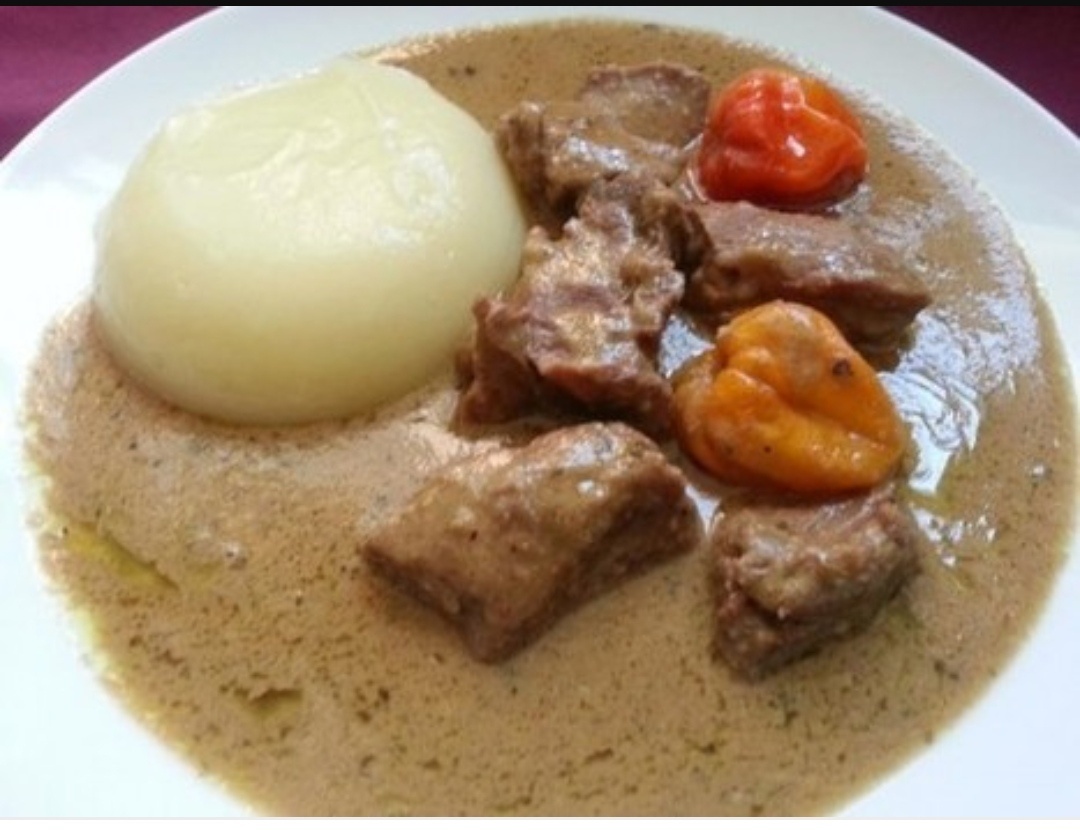 Peanut stew
🇸🇳 Senegal and 5 moreA rich West African stew of meat and vegetables in a spiced peanut sauce
Stew or curry, Lunch, Dinner
Peanut stew
🇸🇳 Senegal and 5 moreA rich West African stew of meat and vegetables in a spiced peanut sauce
Stew or curry, Lunch, Dinner
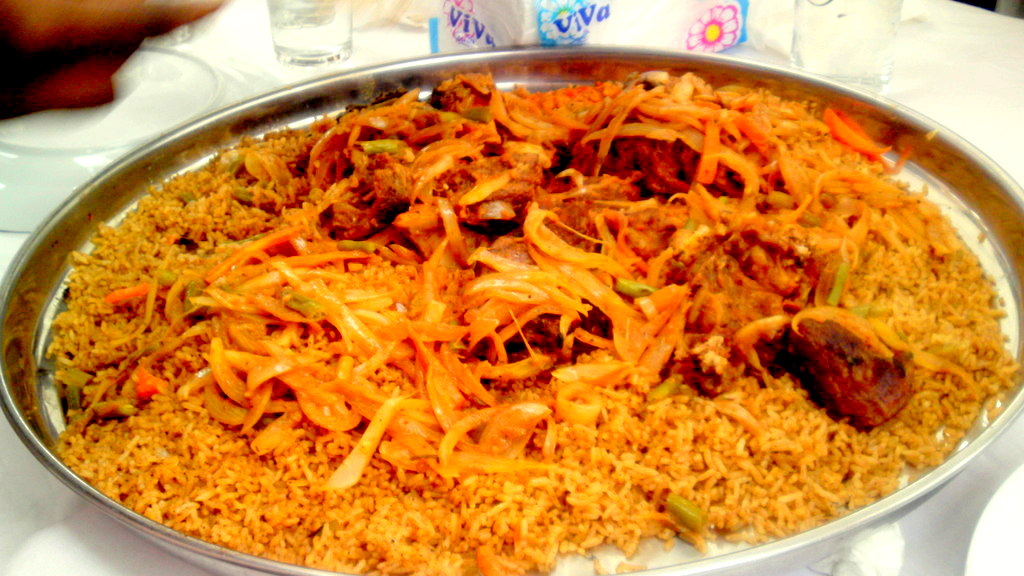 Riz grasMeat
🇧🇫 Burkina Faso and 4 moreWest African rice cooked with meat and vegetables, served hot
Main dish, Lunch, Dinner
Riz grasMeat
🇧🇫 Burkina Faso and 4 moreWest African rice cooked with meat and vegetables, served hot
Main dish, Lunch, Dinner