
Mala hot pot
A communal Chinese hot pot with spicy, numbing broth and varied ingredients
Mala hot pot is a Chinese dish where diners cook meats, vegetables, and more in a bubbling broth flavored with Sichuan peppercorns and dried chilis. Originating in Chongqing and Sichuan, it is famous for its numbing, spicy taste and is typically enjoyed as a shared meal with dipping sauces. The dish has inspired regional variations across Asia.
- Mala hot pot is famous for its numbing and spicy broth
- Sichuan peppercorn and dried chili are key ingredients
- Originated among workers in Chongqing and Sichuan in the 1920s
- Diners cook meats, tofu, and vegetables at the table
- Regional versions exist in Taiwan, Japan, Thailand, and Korea
What is Mala hot pot?
Mala hot pot is a style of Chinese hot pot known for its spicy and numbing broth. The base is made with Sichuan peppercorns, which create a tingling sensation, and dried chilis for heat. Beef tallow gives the broth a rich flavor, though vegetable oil is sometimes used. Diners cook a variety of ingredients in the pot, such as thinly sliced meats, tofu, mushrooms, leafy greens, and root vegetables. The meal is interactive, with each person selecting and cooking their own food, then dipping it in sauces like sesame oil or soy sauce to balance the intense flavors.
Where does Mala hot pot come from?
Mala hot pot began in the 1920s in Chongqing and Sichuan, where riverside workers and peddlers sought affordable, warming meals. They cooked inexpensive cuts of meat, such as beef tripe and offal, in a spicy, numbing broth. The name 'mala' comes from the Chinese words for 'numbing' (ma) and 'spicy' (la), reflecting the use of Sichuan peppercorns and chili. Originally a street food, it grew in popularity and moved into restaurants, eventually spreading across China and beyond.
How is Mala hot pot made?
To make mala hot pot, a broth is prepared with beef tallow or oil, Sichuan peppercorns, dried chilis, garlic, bean paste, and spices such as bay leaf, clove, and cinnamon. This mixture is simmered to develop a deep, layered flavor. At the table, diners add their choice of raw ingredients—meats, tofu, vegetables—into the simmering broth. Once cooked, the food is fished out and dipped into sauces like sesame oil, soy sauce, or garlic paste before eating.


How and when is Mala hot pot eaten?
Mala hot pot is usually enjoyed as a group meal, with friends or family gathered around the steaming pot. Each person selects ingredients to cook in the broth and customizes their dipping sauces. It is commonly eaten for lunch or dinner, especially in colder weather. The dish is popular in restaurants, but also appears at home gatherings. The communal nature of the meal encourages conversation and sharing.
Kinds of Mala hot pot
As mala hot pot spread, regions adapted it to local tastes. In Taiwan, the broth is slightly sweetened with rock sugar and medicinal herbs, and seafood is common. Japanese versions use shabu-shabu techniques and lighter broths, adding ingredients like enoki mushrooms and udon noodles. In Thailand, local herbs such as lemongrass and galangal are included, and spice levels are adjusted. Korean mala hot pot often features rice cakes, kimchi, and gochujang, with less numbing spice.
What Mala hot pot means
Mala hot pot is a symbol of Chongqing's food culture and a favorite for social gatherings. The act of cooking and eating together fits the Chinese tradition of reunion and shared meals. In Chongqing alone, thousands of hot pot restaurants serve locals and visitors. Mala hot pot's communal style and bold flavors have helped it gain popularity across Asia and in Western cities, where it introduces diners to the numbing-spicy taste unique to Sichuan cuisine.
Questions people ask about Mala hot pot
What is mala hot pot made of?
The broth is made with Sichuan peppercorns, dried chilis, beef tallow or oil, and spices. Diners cook a variety of ingredients in it, such as meats, tofu, mushrooms, leafy greens, and root vegetables.
Where does mala hot pot come from?
Mala hot pot originated in Chongqing and Sichuan, China, in the early 20th century. It was first eaten by riverside workers and peddlers as a warming, affordable meal.
How spicy is mala hot pot?
Mala hot pot is known for its strong, spicy, and numbing flavors from dried chilis and Sichuan peppercorns. The level of heat can be adjusted, and dipping sauces help balance the intensity.
How is mala hot pot eaten?
Diners gather around a simmering pot, cooking their chosen ingredients in the spicy broth. Each person dips the cooked food in sauces like sesame oil or soy sauce before eating.
Are there different versions of mala hot pot?
Yes, regional variations exist. In Taiwan, the broth is sweeter and includes seafood. Japanese, Thai, and Korean versions use local ingredients and adapt the spice and flavor to suit local tastes.
Good reading and sources
- Chongqing hot pot on WikipediaEncyclopedia
- More photos on Wikimedia CommonsPhotos
- Wikidata recordOpen data
The facts on this page come from the Wikipedia article "Chongqing hot pot", written by its contributors and used under the CC BY-SA 4.0 licence, and from its Wikidata record (CC0). Thali rewrote the text in its own words, with AI assistance, and compares every page with the article to make sure no passage is copied. It may be reused under the same CC BY-SA 4.0 licence with a link back.
It may contain mistakes, and it is not dietary or allergy advice: recipes differ from cook to cook. If something is wrong, tell us. Last refreshed 2026-10-03.
More from China
All the food of China Pasta
🇮🇹 Italy and 1 moreUnleavened dough shaped and cooked, a staple of Italian cuisine
Main dish, Lunch, Dinner
TofuVegan豆腐
🇨🇳 China and 5 moreSoft white blocks made by curdling soy milk and pressing the curds
Main dish
Pasta
🇮🇹 Italy and 1 moreUnleavened dough shaped and cooked, a staple of Italian cuisine
Main dish, Lunch, Dinner
TofuVegan豆腐
🇨🇳 China and 5 moreSoft white blocks made by curdling soy milk and pressing the curds
Main dish
 Tofu skin roll
🇨🇳 ChinaTofu skin wrapped around a savoury filling, served steamed or fried as dim sum
Main dish, Lunch, Dinner
Tofu skin roll
🇨🇳 ChinaTofu skin wrapped around a savoury filling, served steamed or fried as dim sum
Main dish, Lunch, Dinner
 Mu kropMeat
🇹🇭 Thailand and 4 moreThai-style fried pork belly with a crunchy golden skin
Main dish, Lunch, Dinner
Mu kropMeat
🇹🇭 Thailand and 4 moreThai-style fried pork belly with a crunchy golden skin
Main dish, Lunch, Dinner
Its cousins elsewhere
All main dishes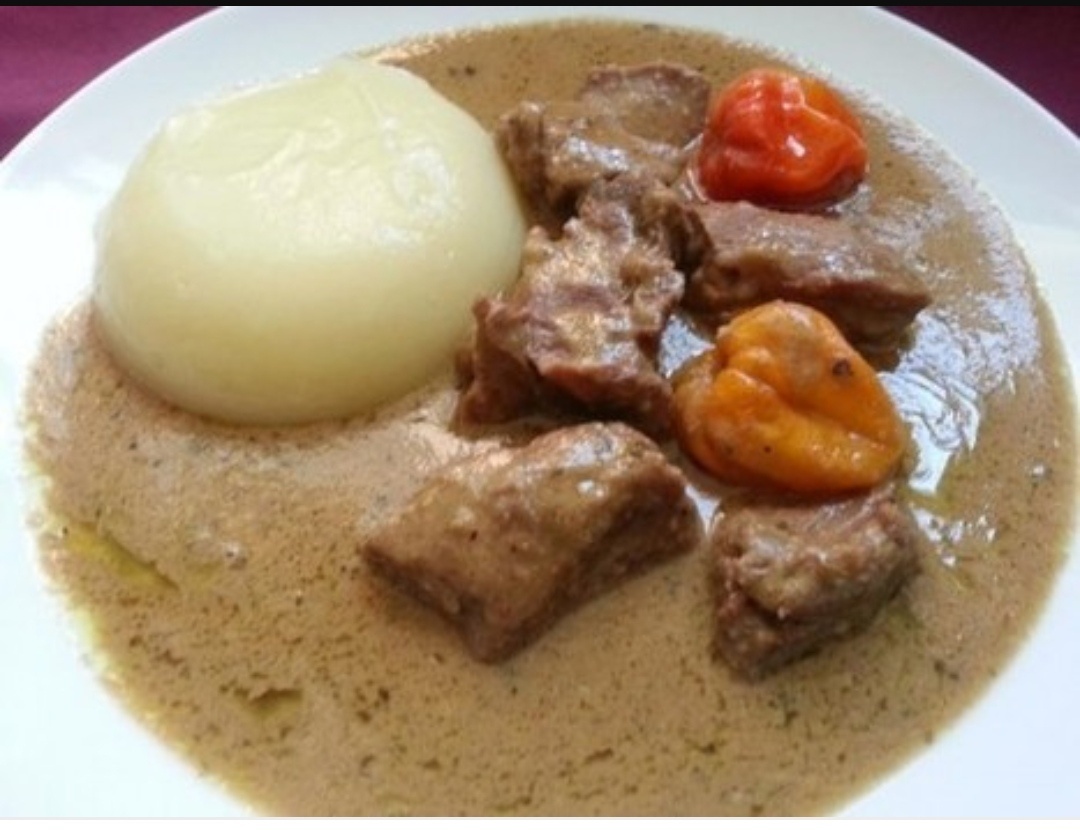 Peanut stew
🇸🇳 Senegal and 5 moreA rich West African stew of meat and vegetables in a spiced peanut sauce
Stew or curry, Lunch, Dinner
Peanut stew
🇸🇳 Senegal and 5 moreA rich West African stew of meat and vegetables in a spiced peanut sauce
Stew or curry, Lunch, Dinner
 Cabbage roll
🇺🇦 Ukraine and 5 moreCooked cabbage leaves wrapped around seasoned fillings, simmered or baked
Main dish, Lunch, Dinner
Pierogi
🇵🇱 Poland and 6 moreDumplings of unleavened dough filled with savory or sweet mixtures
Dumpling, Lunch, Dinner
Cabbage roll
🇺🇦 Ukraine and 5 moreCooked cabbage leaves wrapped around seasoned fillings, simmered or baked
Main dish, Lunch, Dinner
Pierogi
🇵🇱 Poland and 6 moreDumplings of unleavened dough filled with savory or sweet mixtures
Dumpling, Lunch, Dinner
 Varenykyвареники
🇺🇦 Ukraine and 1 moreUkrainian dumplings filled with sweet or savoury ingredients
Dumpling, Lunch, Dinner
Varenykyвареники
🇺🇦 Ukraine and 1 moreUkrainian dumplings filled with sweet or savoury ingredients
Dumpling, Lunch, Dinner